Freed Palestinian Journalist Describes Israeli Prisons as “Living Graves” Amid Allegations of Severe Abuse
May 1, 2026
Searchlight Reporter Wins A-Mark Prize, Highlighting Impact of State-Level Investigative Journalism
May 2, 2026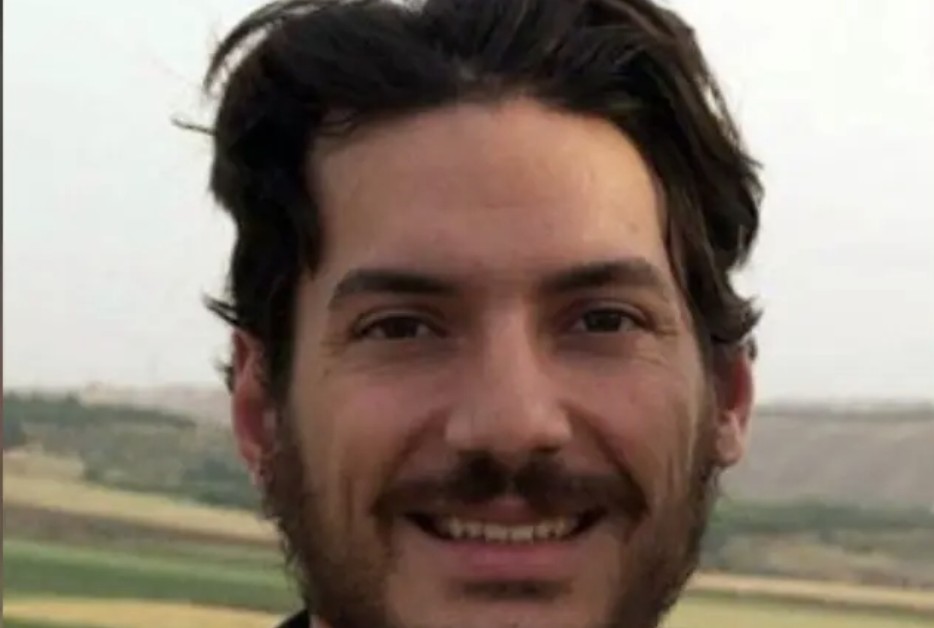
May 02, 2026 – Syria/USA –
New developments in the case of missing American journalist Austin Tice have revived hope for his survival while raising fresh legal and diplomatic questions about one of the longest-running journalist disappearances in modern conflict reporting.
Tice, a Houston-born freelance journalist and former U.S. Marine, has been missing since August 2012, when he disappeared while reporting on the Syrian civil war near Damascus. His case remains one of the most prominent unresolved journalist detentions globally, with U.S. officials long maintaining that he was held by Syrian government forces, though definitive confirmation of his status has remained elusive.
Recent reporting cited by Houston Public Media and legal analysis platforms indicates that Tice’s family now believes he may still be alive and could have been transferred out of Syria. Emerging claims suggest the possibility that he is being held in Iran, potentially by elements linked to the Islamic Revolutionary Guard Corps, though these assertions have not been independently verified by authorities.
These developments have prompted renewed calls for transparency and action from the U.S. government. Legal experts and advocates argue that if a state actor is involved in Tice’s detention, it could engage international legal obligations concerning wrongful detention and hostage diplomacy. The case is increasingly framed not only as a humanitarian issue but also as a test of state responsibility toward journalists operating in conflict zones.
Tice’s disappearance has long symbolized the dangers faced by reporters covering war. He was among the few American journalists reporting from inside Syria during the early stages of the conflict, a role that exposed him to extreme risk in a fragmented and rapidly escalating battlefield environment.
Despite years of diplomatic efforts, intelligence inquiries, and public advocacy campaigns led by his family, no conclusive evidence has emerged regarding his current condition or location. However, intermittent assessments by U.S. officials and statements from his family have consistently suggested that he may still be alive, sustaining international attention on the case.
The renewed focus on Tice’s case coincides with broader concerns about the treatment of journalists in conflict zones, where detention, enforced disappearance, and lack of legal clarity remain persistent risks. Press freedom advocates argue that prolonged cases like Tice’s underscore the urgent need for stronger international mechanisms to protect journalists and ensure accountability when they are detained or abducted.
More than a decade after his disappearance, Tice’s case continues to reflect the intersection of journalism, geopolitics, and human rights, where unresolved detentions can evolve into long-term diplomatic challenges with significant implications for press freedom worldwide.
Reference –
Kidnapped Houston journalist Austin Tice may be alive and in Iran, his family says