
Investigative Journalist Shibani Mahtani Wins 2026 Shorenstein Journalism Award for Asia-Pacific Reporting
May 1, 2026
Renewed Hope and Unanswered Questions in Long-Running Disappearance of Journalist Austin Tice
May 2, 2026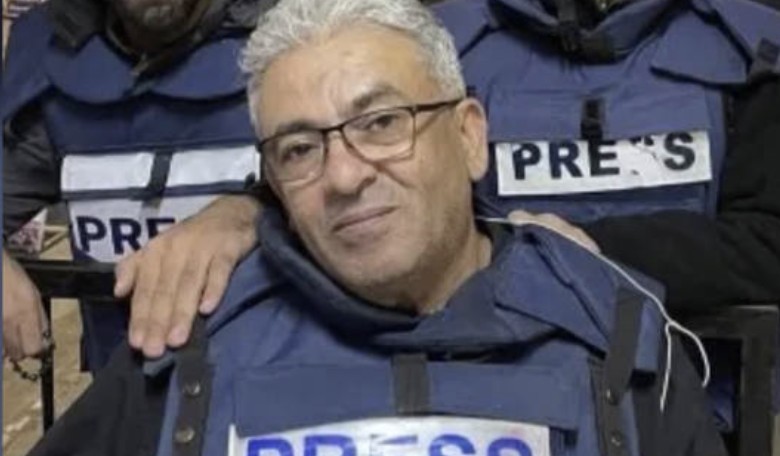
May 01, 2026 – Palestine –
Palestinian journalist Ali al-Samoudi has been released from Israeli detention after approximately one year in custody, prompting renewed scrutiny of detention conditions following his detailed allegations of severe mistreatment, including starvation, weight loss, and harsh confinement practices.
Al-Samoudi, a veteran journalist based in Jenin who has worked with local and international media outlets, was detained under Israel’s administrative detention system, which allows for imprisonment without charge or trial. According to reports, he was held for a year before being released in late April 2026.
Following his release, he described Israeli prisons as “living graves,” stating that he experienced extreme physical deterioration during detention. He reported losing nearly half of his body weight, dropping from around 120 kilograms to approximately 60 kilograms, which he attributed to what he described as systematic starvation and poor prison conditions.
Al-Samoudi also appeared visibly weakened upon release, with multiple accounts noting his emaciated condition and significant physical decline. He said the experience left him severely affected both physically and mentally, describing the detention environment as “harsh and difficult.”
Press freedom and human rights organizations have repeatedly raised concerns about the treatment of Palestinian journalists in Israeli custody, particularly in the context of administrative detention practices and broader wartime arrests. Reports from advocacy groups have documented allegations of overcrowding, inadequate nutrition, medical neglect, and physical abuse in detention facilities housing Palestinian detainees.
Al-Samoudi’s case has also drawn attention due to his long career reporting from conflict zones in the West Bank, including his presence during major incidents in Jenin and his collaboration with international media outlets. His detention was widely condemned by press freedom groups, who argued that it reflected a broader pattern of targeting journalists in the occupied territories.
Israeli authorities have previously stated that detention procedures are conducted under legal frameworks and security considerations, though rights organizations continue to dispute the transparency and fairness of administrative detention and related practices.
The case has intensified ongoing debate over the treatment of journalists in conflict settings, particularly where military detention systems operate without formal charges. Advocacy groups argue that such conditions not only endanger individual journalists but also contribute to a wider climate of fear that restricts independent reporting.
Al-Samoudi’s testimony adds to a growing body of accounts from released detainees describing severe physical and psychological impacts of imprisonment, reinforcing calls from press freedom organizations for independent oversight and accountability mechanisms in detention practices involving journalists.
Reference –