Burkina Faso Accused of Secretly Detaining Investigative Journalist in Hidden Prison
May 6, 2026
ILO Report Highlights Link Between Labour Rights, Journalist Safety and Press Freedom
May 6, 2026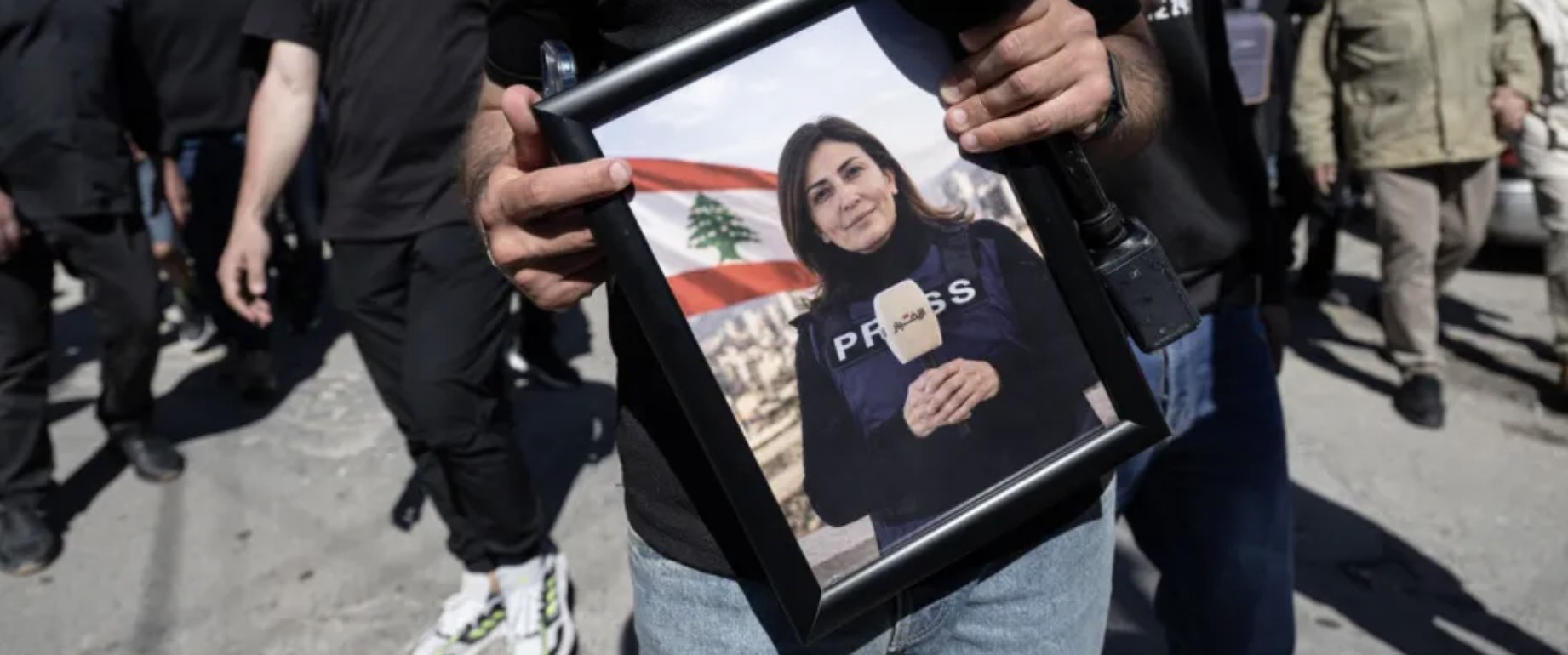
May 06, 2026 – Lebanon –
Press freedom organisations and human rights experts have warned that journalists in Lebanon are facing an increasingly dangerous environment marked by violence, surveillance, and a lack of accountability, as concerns grow over the safety of media workers reporting from conflict-affected areas.
According to a briefing cited by media and rights groups, attacks on journalists in Lebanon are not isolated incidents but part of what experts describe as a sustained pattern of targeting. Representatives from organisations including Human Rights Watch and Lebanese legal advocacy groups said that journalists have been killed in the field and, in some cases, even near their homes, raising fears that the risks extend far beyond active combat zones.
Speakers highlighted that dozens of journalists have reportedly been killed in recent years amid ongoing instability, with some cases raising questions about whether the incidents may constitute violations of international humanitarian law. They also pointed to repeated failures to investigate or prosecute those responsible, describing impunity as a central factor worsening the crisis.
A key concern raised by experts is the expanding use of surveillance technologies, including drones and advanced monitoring tools, which they say are increasingly used to track journalists’ movements and identify media workers in real time. Legal and press freedom advocates warned that such conditions force journalists into a dilemma between identifying themselves for protection or concealing their identity to reduce the risk of being targeted.
Press unions in Lebanon have also described the situation as part of a broader deterioration in media safety, arguing that attacks are often deliberate and aimed at deterring coverage of sensitive political and military developments. These concerns have been echoed by international observers who say Lebanon has become one of the most hazardous environments for journalists in the region.
The International Committee of the Red Cross has separately stressed that journalists, as civilians, are protected under international humanitarian law and must be allowed to carry out their work safely, particularly in conflict zones where hostilities remain active.
Rights groups are calling for independent investigations into attacks on journalists and stronger enforcement of legal protections. They argue that without accountability, the cycle of violence and intimidation is likely to continue, further undermining press freedom and limiting independent reporting from Lebanon’s conflict zones.
Reference –
Journalists under threat in Lebanon amid rising attacks, experts warn