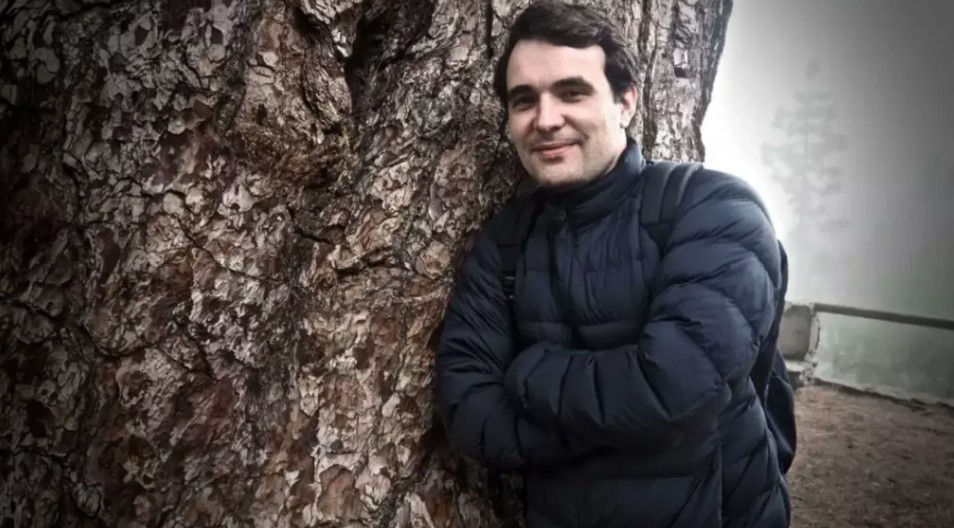
French Journalist Drops Appeal in Algeria in Bid for Presidential Pardon Amid Ongoing Imprisonment Case
May 5, 2026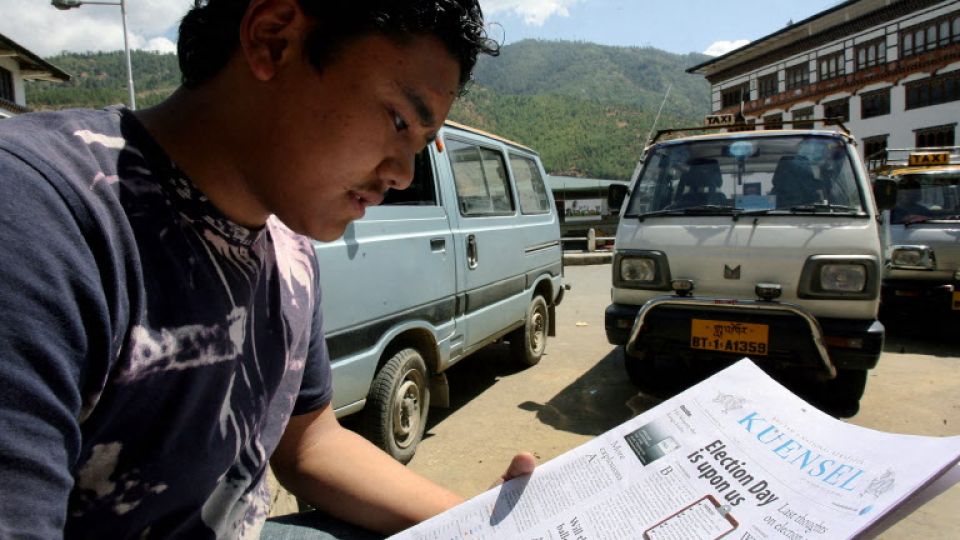
Bhutan Honors 22 Journalists for Excellence on World Press Freedom Day
May 5, 2026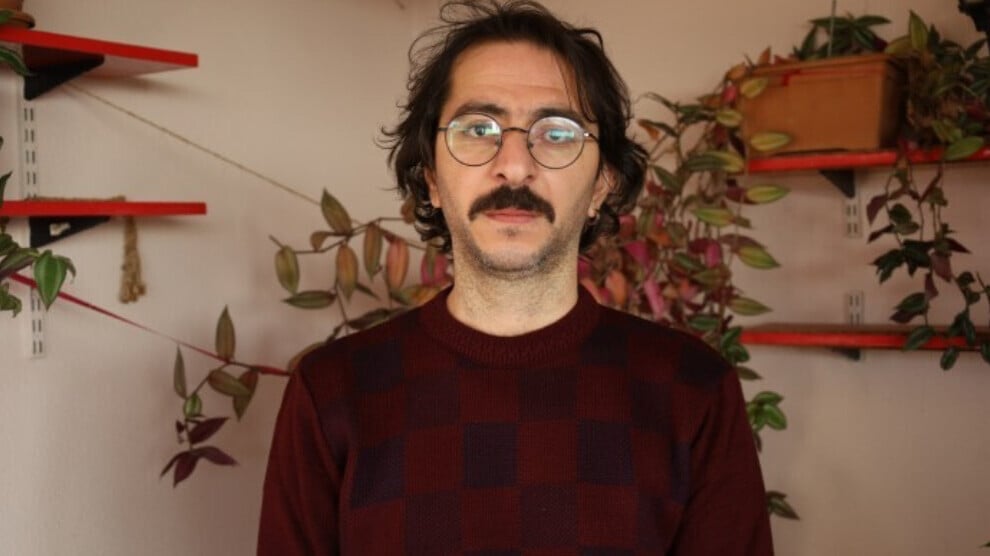
May 06, 2026 – Kurdistan/Iraq –
Turkish authorities have launched an investigation into Kurdish journalist Ahmet Güneş, the responsible editor of the Yeni Yaşam newspaper, over his reporting and social media posts related to developments in North and East Syria, also known as Rojava, raising renewed concerns about press freedom and scrutiny of journalists covering Kurdish affairs.
According to reporting from media sources, Güneş was summoned by Istanbul police and gave a statement accompanied by his lawyer as part of the investigation. Authorities are examining his online activity, particularly posts that shared news and commentary about reported military actions and political developments affecting Kurdish regions in Syria.
The case centers on allegations that Güneş disseminated content deemed sensitive by authorities due to its focus on the situation in Rojava and related political dynamics involving Kurdish groups. His questioning reflects a broader pattern in Turkey where journalists and media editors face legal scrutiny over material published on social media platforms, especially when it concerns Kurdish regions or armed conflict narratives.
Güneş’s newspaper, Yeni Yaşam, is known for its coverage of Kurdish political issues and regional developments. Media freedom advocates have frequently raised concerns about legal pressure on Kurdish-oriented outlets in Turkey, including investigations, prosecutions, and restrictions linked to anti-terror legislation and national security framing.
Press freedom organizations have repeatedly warned that reporting on Rojava remains a particularly sensitive subject in Turkey due to the ongoing conflict dynamics in northern Syria and the government’s security concerns regarding Kurdish armed groups and affiliated media networks. These sensitivities have often resulted in journalists being questioned or charged for content shared online or in traditional reporting formats.
The investigation into Güneş adds to a wider environment in which journalists covering Kurdish issues in Turkey and across the border in Syria face heightened risk of legal action, surveillance, and professional pressure. Observers note that such cases contribute to a chilling effect on independent reporting, particularly in relation to conflict zones and politically contested regions.
As the investigation continues, media rights advocates are calling for transparency in the proceedings and cautioning against the use of broad legal frameworks that may restrict journalistic activity. They argue that reporting on regional developments, including those in Rojava, remains a critical part of public interest journalism and should not be subject to undue criminalization.
Reference –