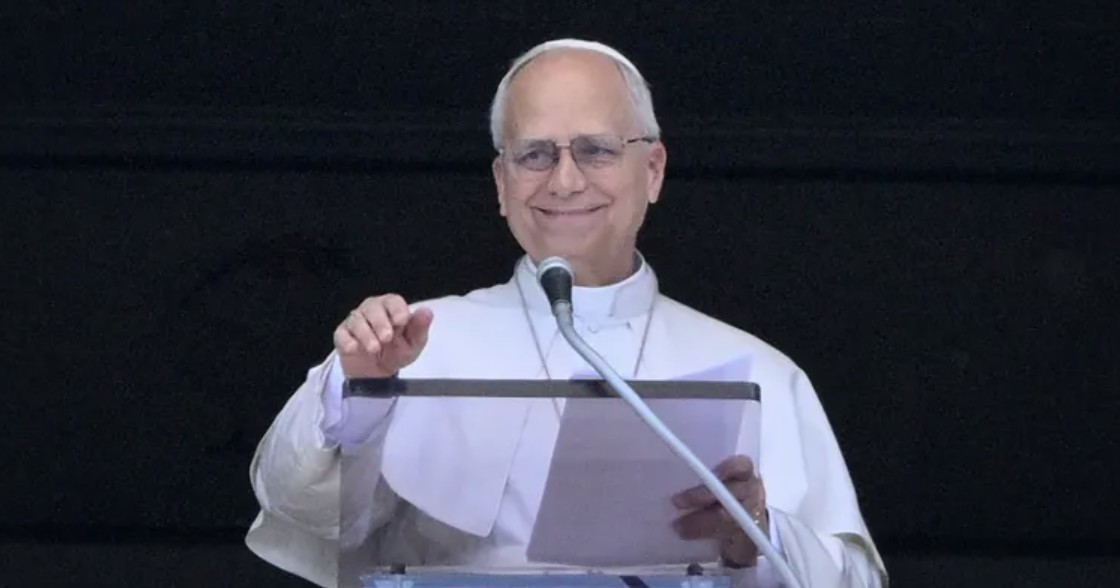
Pope Honors Slain Journalists and Condemns Global Press Freedom Violations on World Press Freedom Day
May 4, 2026
Vietnamese Journalist Phạm Đoan Trang Named Among Most Urgent Press Freedom Cases as RSF Ranks Vietnam Last in Southeast Asia
May 4, 2026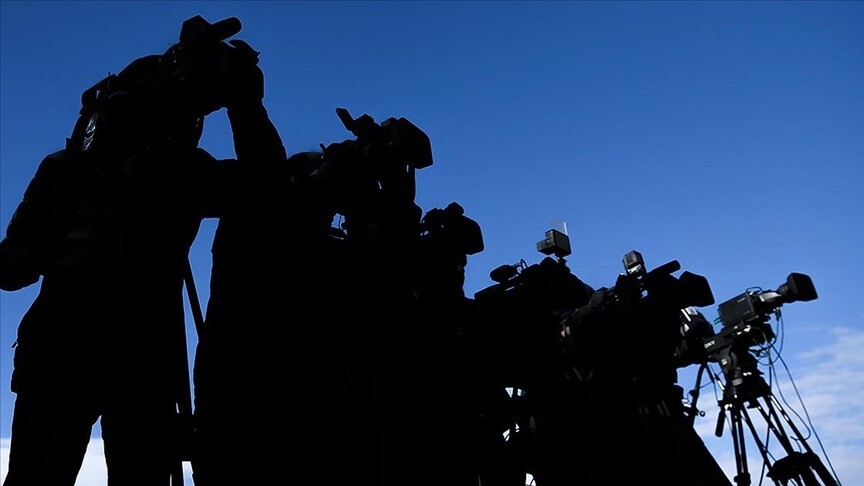
May 04, 2026 – Yemen –
The Yemeni Journalists Syndicate and the European Union delegation to Yemen have jointly called for the immediate release of detained journalists, warning that press freedom in the country is facing severe and ongoing threats. The appeal, issued in connection with World Press Freedom Day, highlights the continued detention of media workers by multiple parties to the conflict.
According to the syndicate, at least nine journalists remain in detention across Yemen. Eight are reportedly held by Houthi authorities, while another is detained by the internationally recognized government in Aden. The group emphasized that these cases reflect a broader pattern of arbitrary detention and politically motivated prosecutions targeting journalists.
Both the Yemeni press union and the EU delegation described the working environment for journalists as increasingly dangerous and restrictive. They pointed to a range of violations, including harassment, intimidation, unfair trials, and physical threats, all of which contribute to a deteriorating climate for independent reporting.
In its statement, the Yemeni Journalists Syndicate stressed that journalists are facing “unprecedented security risks” alongside growing professional and economic pressures. These challenges, it noted, are undermining the ability of media workers to operate freely and safely in a country already affected by years of conflict and instability.
The European Union echoed these concerns, warning that press freedom in Yemen is under serious threat. It called for the unconditional release of all detained journalists and urged all parties to respect freedom of expression and uphold international standards protecting media workers.
The joint appeal also highlighted the broader implications of continued repression. Advocates argue that detaining journalists not only violates individual rights but also restricts the public’s access to information, particularly in a conflict setting where independent reporting is critical for accountability and humanitarian awareness.
As calls for action grow, the situation in Yemen underscores the fragile state of press freedom in conflict zones, where journalists face risks from multiple actors and legal protections remain limited. The statements from the Yemeni press union and the EU delegation reinforce a central demand: that detained journalists must be released and that meaningful safeguards for media freedom must be urgently established.
Reference –