
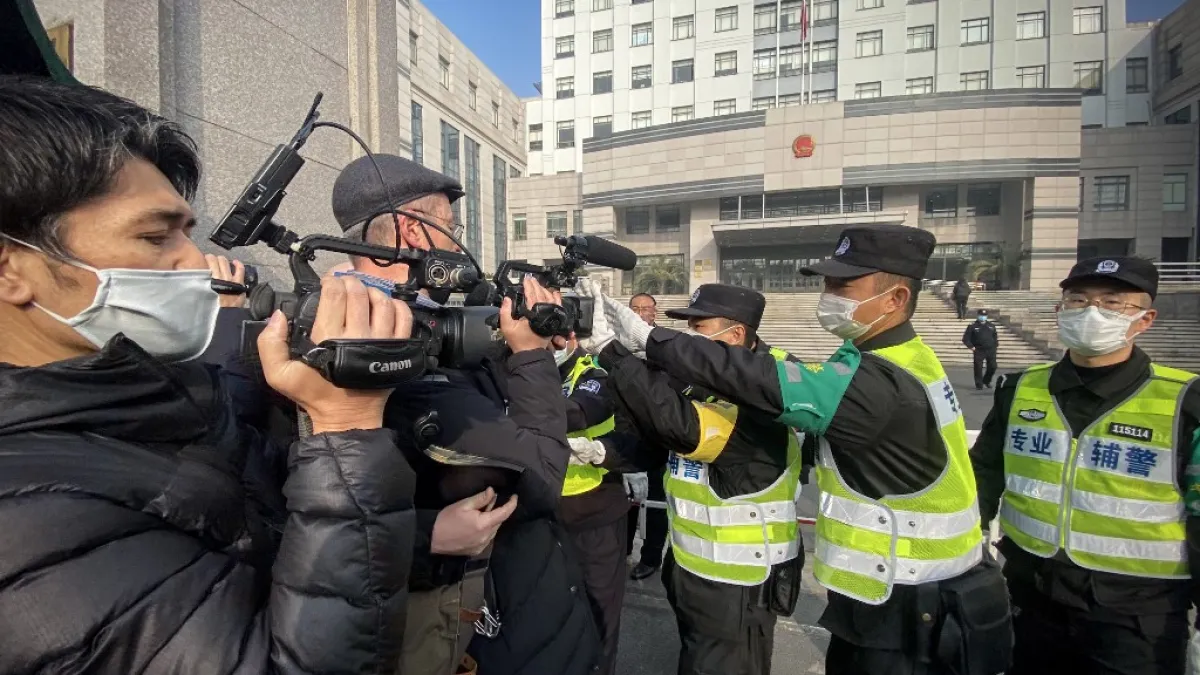
China Remains World’s Largest Prison for Journalists Amid Intensifying Media Repression, Report Warns
May 6, 2026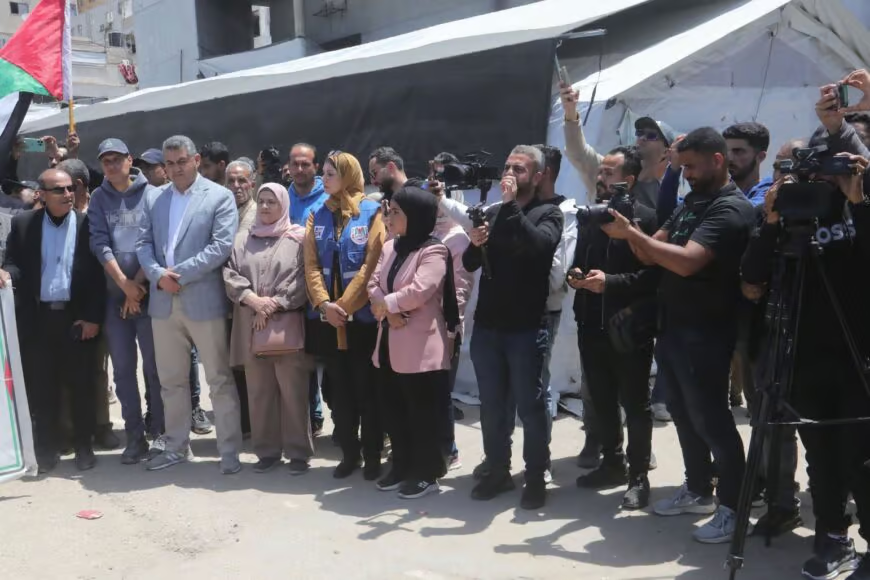
Persistent Threats to Journalism and Media Freedom in the MENA Region
May 10, 2026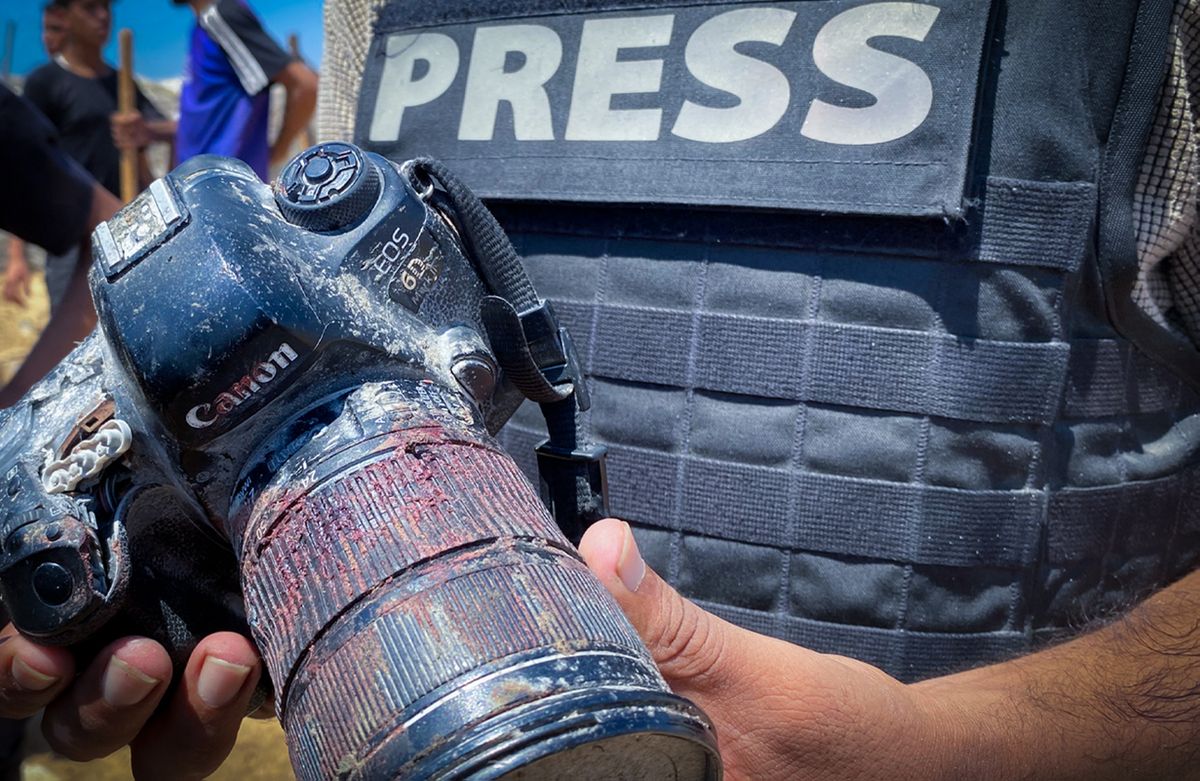
The article examines what it describes as a widening global pattern of violence, intimidation, and systematic neglect of attacks against journalists, framing it as a structural crisis in which the killing or silencing of reporters is increasingly met with limited accountability or sustained international pressure. It argues that these conditions amount to what some analysts term “journacide”, the deliberate or systemic destruction of journalism through direct attacks, legal harassment, and institutional indifference.
A central theme is that the dangers faced by journalists are no longer confined to authoritarian contexts or active war zones, but are increasingly visible across regions where democratic institutions exist but fail to effectively protect media workers. The piece highlights how reporters investigating corruption, organized crime, political power, and conflict often become targets of violence or intimidation, while investigations into such attacks are frequently delayed, inconclusive, or never completed.
The analysis situates these developments within a broader global decline in press freedom indicators, noting that legal frameworks intended for national security or public order are sometimes used to justify restrictions on reporting or to criminalise journalistic activity. It also underscores the growing role of impunity, where perpetrators of violence against journalists are rarely held accountable, reinforcing cycles of fear and self-censorship within media environments.
Another key point raised is the uneven international response to these attacks. While some killings of journalists generate significant global attention, many others receive limited coverage, particularly when they occur in regions already affected by conflict, political instability, or limited media infrastructure. This disparity, the article argues, contributes to a perception that journalist safety is not consistently prioritised within global human rights and diplomatic agendas.
The piece also connects physical attacks on journalists to broader structural pressures, including economic fragility in the media sector, shrinking newsroom resources, and increasing reliance on precarious or freelance reporting conditions. These factors, combined with digital harassment and surveillance, further amplify risks for journalists working independently or on sensitive subjects.
Overall, the article presents journalists’ targeting not as isolated incidents but as part of a sustained global pattern in which violence, legal pressure, and institutional neglect intersect. It calls attention to the need for stronger accountability mechanisms, improved protection frameworks, and more consistent international responses to attacks on media workers in order to prevent further erosion of press freedom worldwide.
Reference –