

Global Survey Highlights Rising Risks for Journalists as Threats Shift from Violence to Systemic Intimidation
May 3, 2026
Journacide and the Global Normalisation of Journalist Targeting
May 7, 2026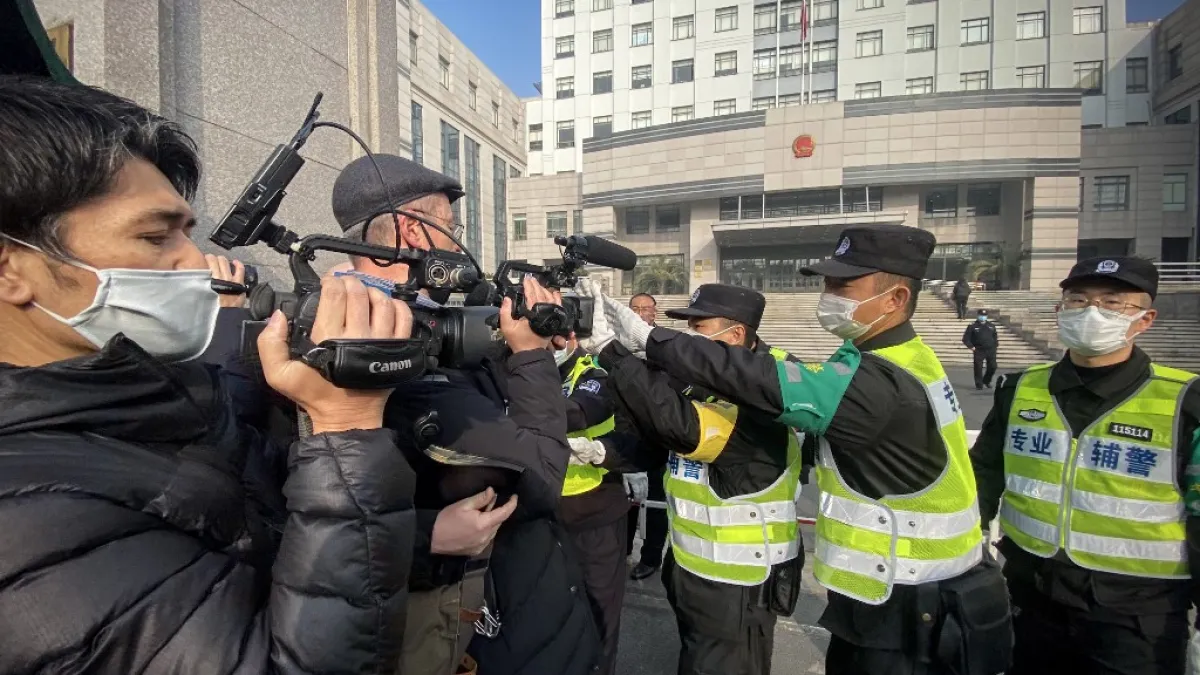
China continues to be identified as the world’s largest jailer of journalists, according to press freedom monitoring groups and recent international reporting, which highlight a sustained pattern of arrests, censorship, and surveillance targeting independent media workers. The latest assessments underscore that the country holds the highest number of imprisoned journalists globally, reflecting what rights groups describe as a systematic crackdown on press freedom.
Reports indicate that more than 100 journalists and media workers are currently detained in China, with estimates placing the figure at over 110 individuals imprisoned in connection with their work. These detentions are often linked to charges such as “endangering state security,” “spreading false information,” or “discrediting state institutions,” which press freedom organizations argue are broadly defined and frequently used to suppress dissenting reporting.
Advocacy groups say that the Chinese authorities rely on a combination of legal and extralegal measures to control the media environment. These include extensive surveillance, intimidation, internet censorship, and pressure on families and employers of journalists. Independent reporting on politically sensitive issues, such as corruption, human rights, and governance failures, is particularly restricted.
The report also highlights that China’s media landscape is heavily state-controlled, with major outlets operating under government supervision. This structure, according to press freedom monitors, limits pluralism and ensures that critical narratives rarely reach the public sphere without censorship or alteration.
International watchdogs further note that China consistently ranks near the bottom of global press freedom indices, reflecting long-term restrictions on journalistic independence. The country’s position is often grouped alongside other authoritarian states with severe limitations on free expression.
Beyond imprisonment, journalists in China are reported to face additional risks in detention, including poor prison conditions, lack of access to medical care, and allegations of mistreatment. These concerns have been raised repeatedly in cases involving detained reporters and whistleblowers over the past several years.
Human rights organizations argue that the scale of detentions reflects a broader strategy to control information flows domestically and prevent independent scrutiny of state actions. They warn that this environment has had a chilling effect on journalism, significantly reducing the space for investigative reporting.
Overall, the findings reinforce the conclusion that China remains the most restrictive environment for journalists globally, with continued imprisonment and systemic controls shaping one of the most tightly regulated media landscapes in the world.
Reference –