Journacide and the Global Normalisation of Journalist Targeting
May 7, 2026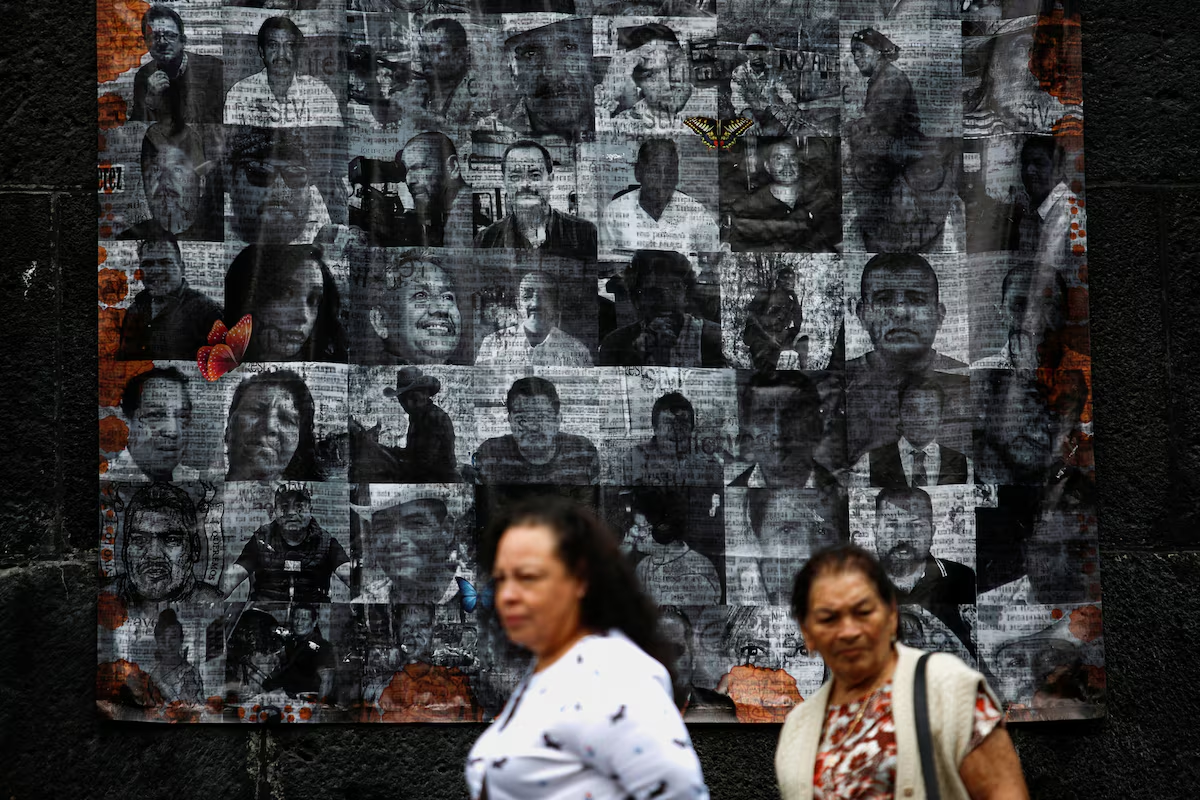
Mexico Sees Sharp Rise in Journalist Killings and Abductions in 2025, Advocacy Report Warns
May 10, 2026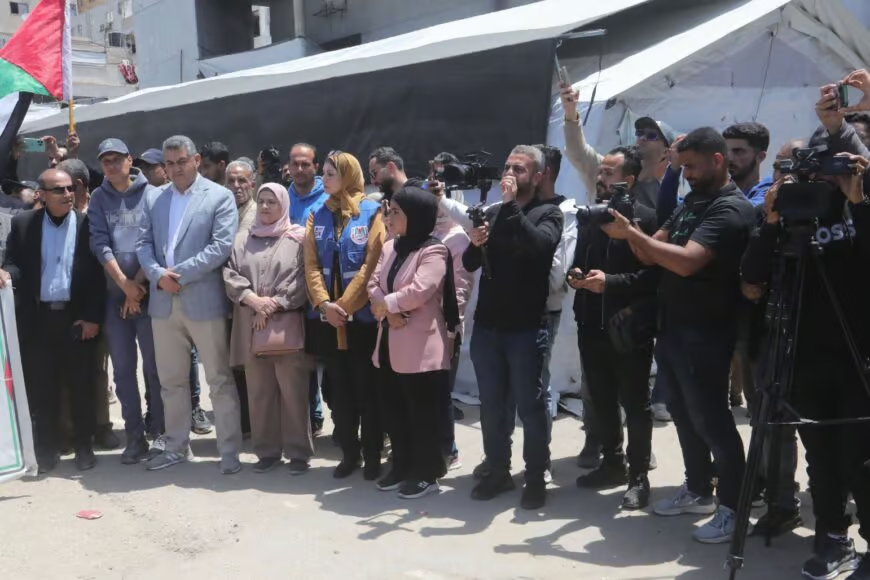
ARTICLE 19’s latest analysis of the Middle East and North Africa (MENA) region highlights a sustained and multi-layered deterioration in press freedom, driven by violence in conflict zones, restrictive legal frameworks, and expanding state control over information. The report argues that these pressures are not isolated incidents but part of a systemic pattern that continues to weaken independent journalism across the region.
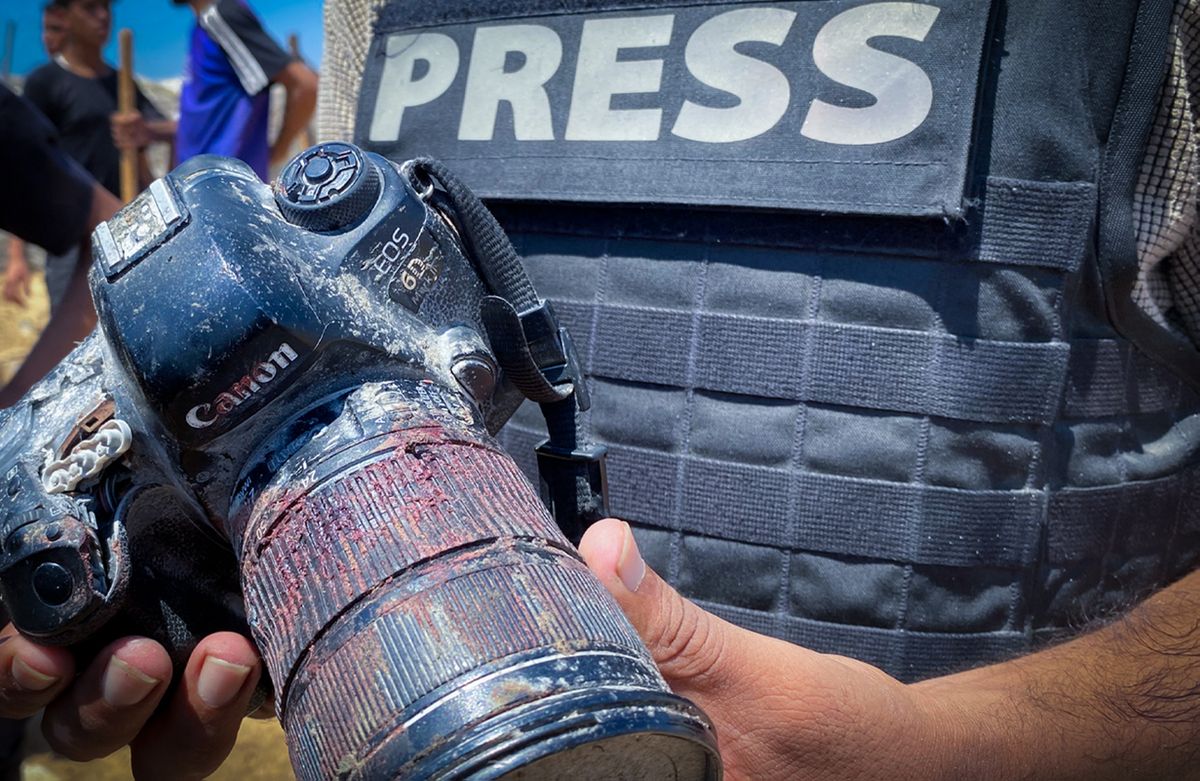
In conflict-affected areas such as Palestine, Sudan, Syria, and Lebanon, journalists face direct physical danger, including killings, arbitrary detention, and forced displacement. ARTICLE 19 notes that reporting in war zones has become increasingly lethal, with journalists often targeted while covering military operations or humanitarian crises. In some cases, authorities and armed actors are accused of associating journalists with opposing factions, further increasing their vulnerability and undermining protections under international humanitarian law.
Beyond conflict zones, the report emphasizes the expansion of legal and administrative tools used to restrict journalism. Governments across the region frequently rely on vague or broadly defined laws related to national security, cybercrime, or public morality to prosecute journalists. These mechanisms are often applied through judicial harassment, arbitrary arrests, and prolonged legal proceedings that place sustained pressure on media workers, particularly those engaged in investigative reporting.
ARTICLE 19 also highlights structural weaknesses in media regulation and self-regulation. Many countries lack independent regulatory bodies, or such institutions exist in name only while remaining subject to political influence. In several cases, media oversight authorities are directly appointed by executive branches, limiting their independence and enabling the use of licensing, blocking orders, or administrative sanctions to restrict critical outlets.
Independent media organizations are described as particularly vulnerable. Financial instability, reduced donor support, and coordinated smear campaigns have further constrained their operations. Investigative outlets and digital platforms face legal complaints, funding restrictions, and public delegitimization efforts, which collectively contribute to shrinking space for pluralistic reporting.
The report concludes that these combined pressures have produced an environment in which journalists across the MENA region face escalating risks both online and offline. It stresses that the erosion of press freedom directly impacts the public’s right to information and weakens accountability structures, particularly in contexts where independent reporting is already limited.
ARTICLE 19 calls for comprehensive reforms aligned with international human rights standards, including stronger legal protections for journalists, independent regulatory frameworks, and the removal of laws that criminalize legitimate expression.
Reference –
https://www.article19.org/resources/mena-region-persistent-threats-to-journalism-and-media-freedom/