Christina Lamb Warns Journalists Increasingly Treated as Targets in Israel Gaza and Lebanon War Zones
April 25, 2026
Ugandan Journalists Face Up to 20 Years in Prison Under Sweeping “Foreign Agents” Bill Raising Press Freedom Alarm
April 25, 2026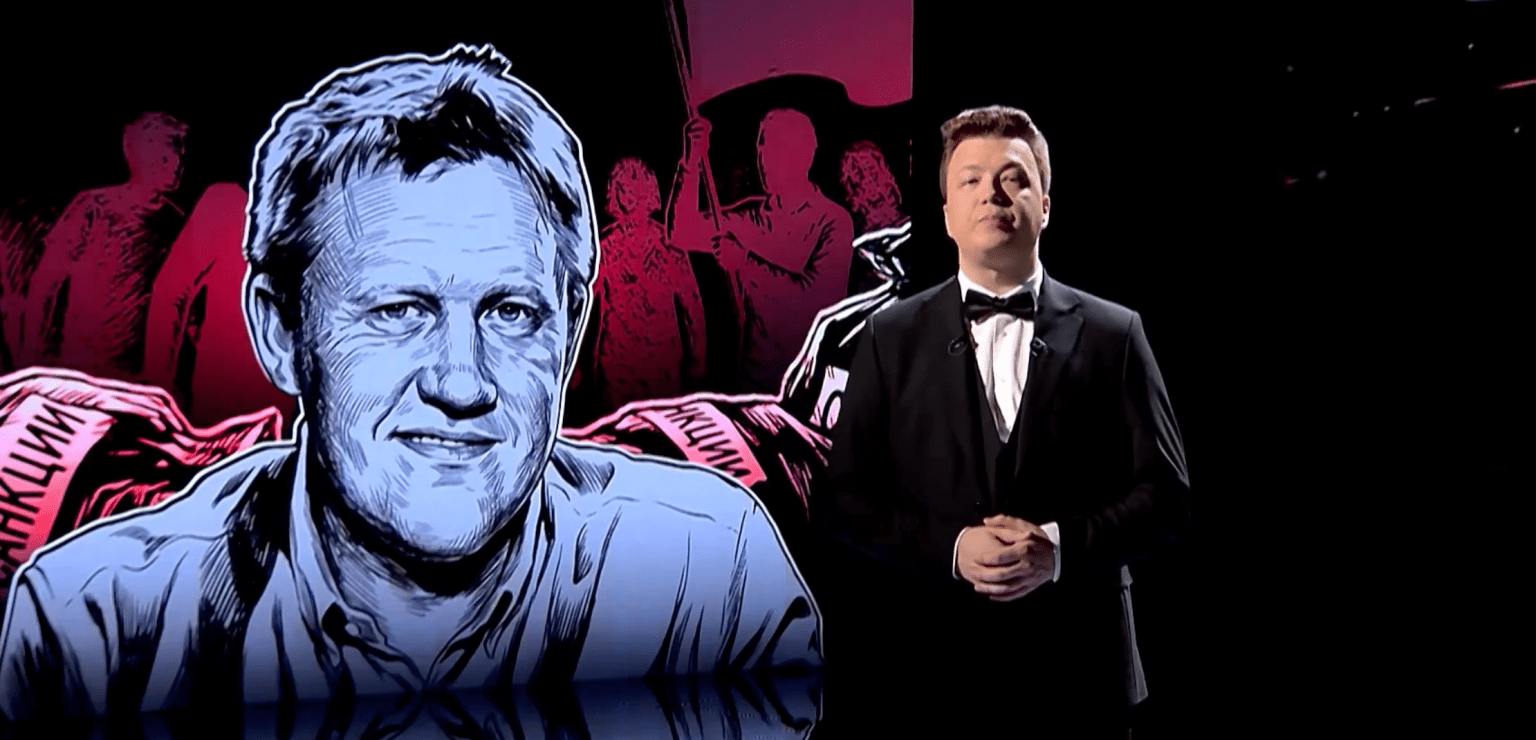
April 25, 2026 – Belarus –
An exiled Belarusian investigative journalist has been subjected to surveillance and a coordinated doxxing campaign by Belarusian state television, raising serious concerns about transnational repression and the safety of journalists operating in exile.
According to reporting by the Committee to Protect Journalists, Belarusian state broadcaster STV aired a segment that publicly exposed the journalist’s personal information, including an alleged phone number and residential address in Warsaw. The broadcast also reportedly revealed private details of multiple other journalists associated with independent media outlets in exile.
The program, hosted by STV presenter Raman Pratasevich, went beyond general criticism and included specific identifying data and surveillance-related material, such as video footage of residential locations and personal movements. This disclosure is widely regarded as a form of doxxing, a practice that places individuals at heightened risk of harassment, intimidation, or physical harm.
The targeted journalist, identified as Stanislau Ivashkevich, is affiliated with Belarus’ exiled investigative media community, which has increasingly operated from abroad following sustained repression inside the country. According to CPJ, Ivashkevich and other journalists named in the broadcast are already facing criminal proceedings in absentia under Belarusian law, part of a broader pattern of legal persecution of media workers who continue reporting from outside the country.
Press freedom advocates warn that the broadcast represents a significant escalation in the Belarusian authorities’ strategy of extending pressure beyond national borders. This includes surveillance, intimidation of relatives, legal harassment, and public exposure of personal data, all of which contribute to a climate of fear among journalists in exile.
The case also highlights the role of state-aligned media in amplifying government pressure campaigns. The involvement of a national broadcaster in publishing sensitive personal information has been described by press freedom groups as a direct endangerment of journalists and their families, particularly those residing in European Union countries where they have sought protection.
International watchdogs have called on host governments to investigate potential surveillance operations and strengthen safeguards for exiled media professionals. They argue that such incidents reflect a broader global trend in which authoritarian states increasingly attempt to control or intimidate critical journalism even outside their own jurisdictions.
As the situation develops, the case underscores the persistent vulnerability of investigative journalists forced into exile and the expanding reach of state-led repression targeting independent reporting networks abroad.
Reference –
Exiled investigative journalist surveilled, doxxed by Belarusian state TV