Iranian Journalist Azam Mohebbi Detained by IRGC Intelligence as Rights Groups Warn of Ongoing Medical Neglect Pattern
April 23, 2026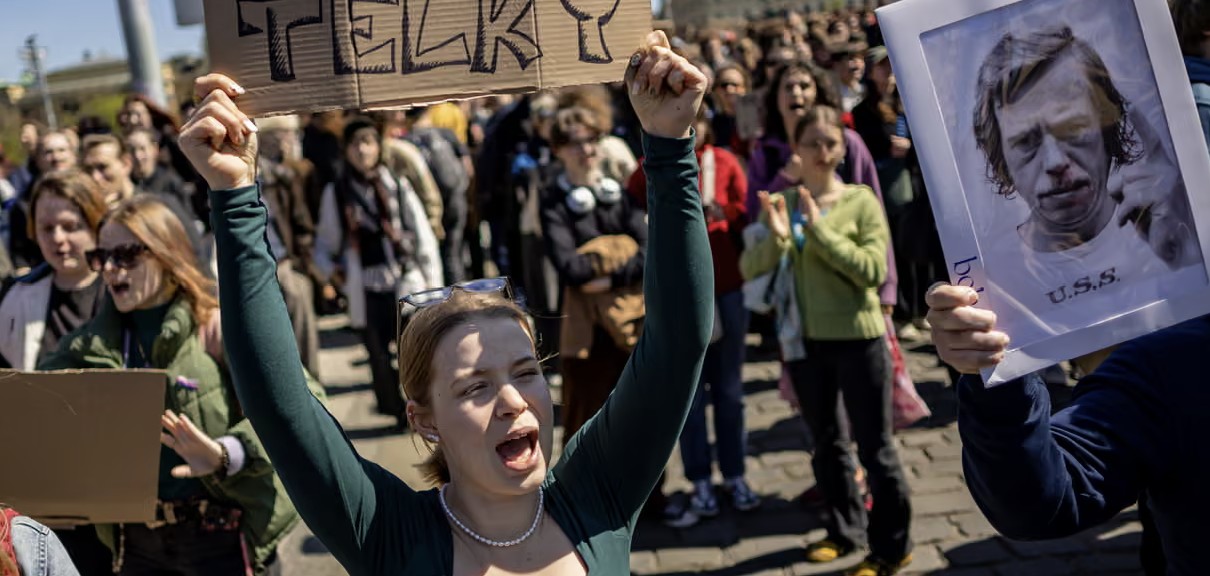
Czech Journalists Threaten Strike Over Government Plan to Scrap Licence Fees and Shift Public Media Under State Budget Control
April 24, 2026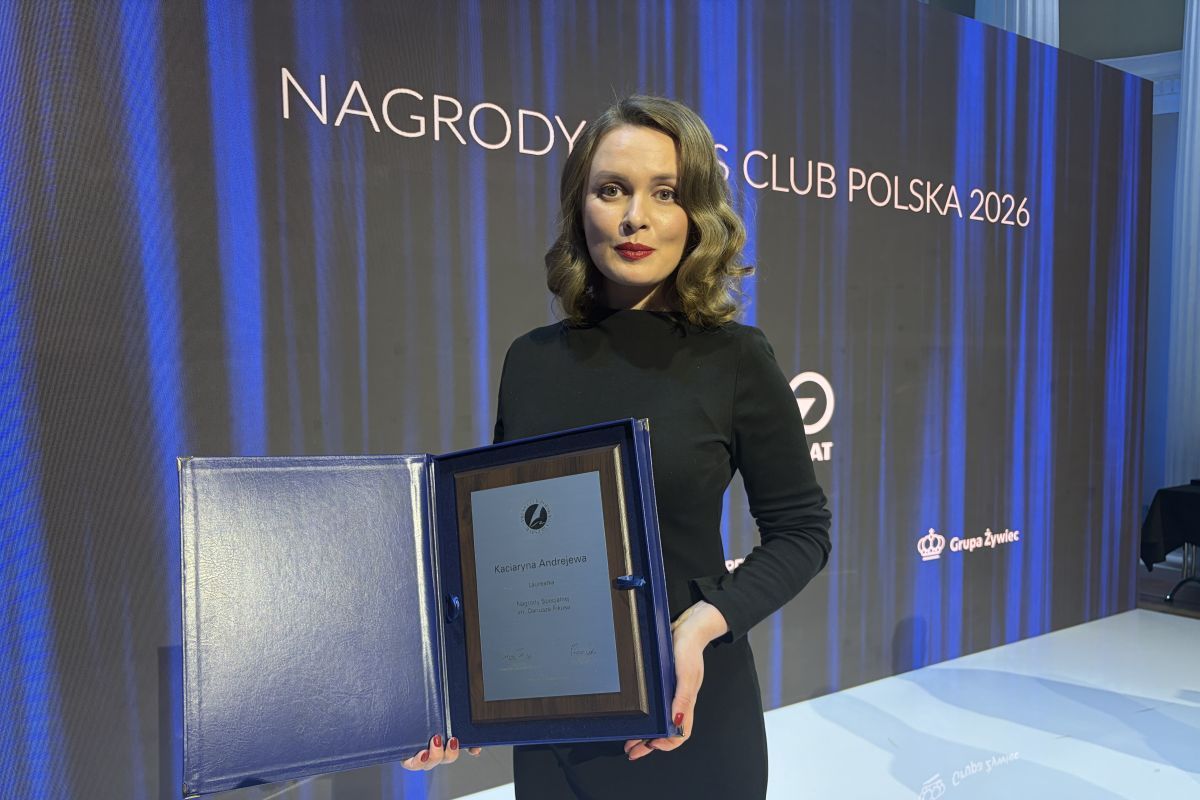
April 24, 2026 – Belarus –
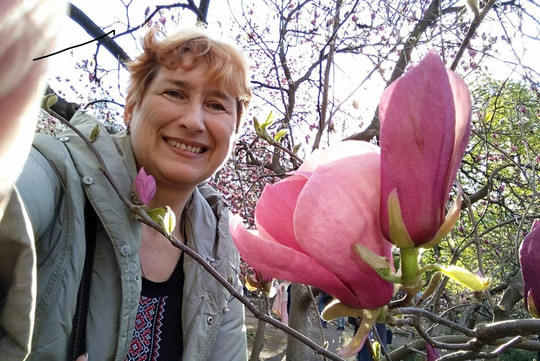
Belarusian journalist Katsiaryna Andreyeva has received the prestigious Dariusz Fikus Award, a recognition that underscores both her journalistic work and the risks she faced while reporting during political unrest in Belarus. The award, presented by the Polish Press Club and the International Association of Press Clubs, is given to journalists demonstrating exceptional professional integrity and courage.
Andreyeva was originally selected for the award in 2021 for her live broadcast from Minsk’s “Square of Changes,” where protests were taking place following the disputed 2020 presidential election. During that broadcast, she and her colleague were arrested, and the footage that earned her international recognition was later used by authorities as evidence against her in court.
Following her arrest, Andreyeva was sentenced to prison on charges widely criticized by international observers as politically motivated. Her case became emblematic of the broader crackdown on independent media in Belarus, where journalists covering protests and dissent have faced detention, prosecution, and long prison terms.
The award ceremony, held in April 2026, marked a significant moment as Andreyeva was finally able to receive the honor in person after her release earlier this year. In her remarks, she emphasized that the recognition was not only for her own work but also for fellow journalists who remain imprisoned for carrying out their professional duties.
She highlighted the ongoing plight of detained media workers in Belarus, noting that many continue to face imprisonment solely for reporting on public events and political developments. Her speech served as both an expression of gratitude and a call for continued international attention to press freedom conditions in the country.
The Dariusz Fikus Award itself is named after a prominent Polish journalist and is regarded as one of the notable honors in European media circles. By recognizing Andreyeva, the awarding bodies have drawn attention to the intersection of journalism and political repression, particularly in environments where reporting on public interest issues carries significant personal risk.
Her recognition reflects a broader pattern in which journalists facing state persecution are acknowledged internationally for their work, even as conditions at home remain restrictive. The case of Andreyeva continues to highlight the challenges confronting independent media in Belarus and the enduring role of journalism in documenting political realities under pressure.
Reference –