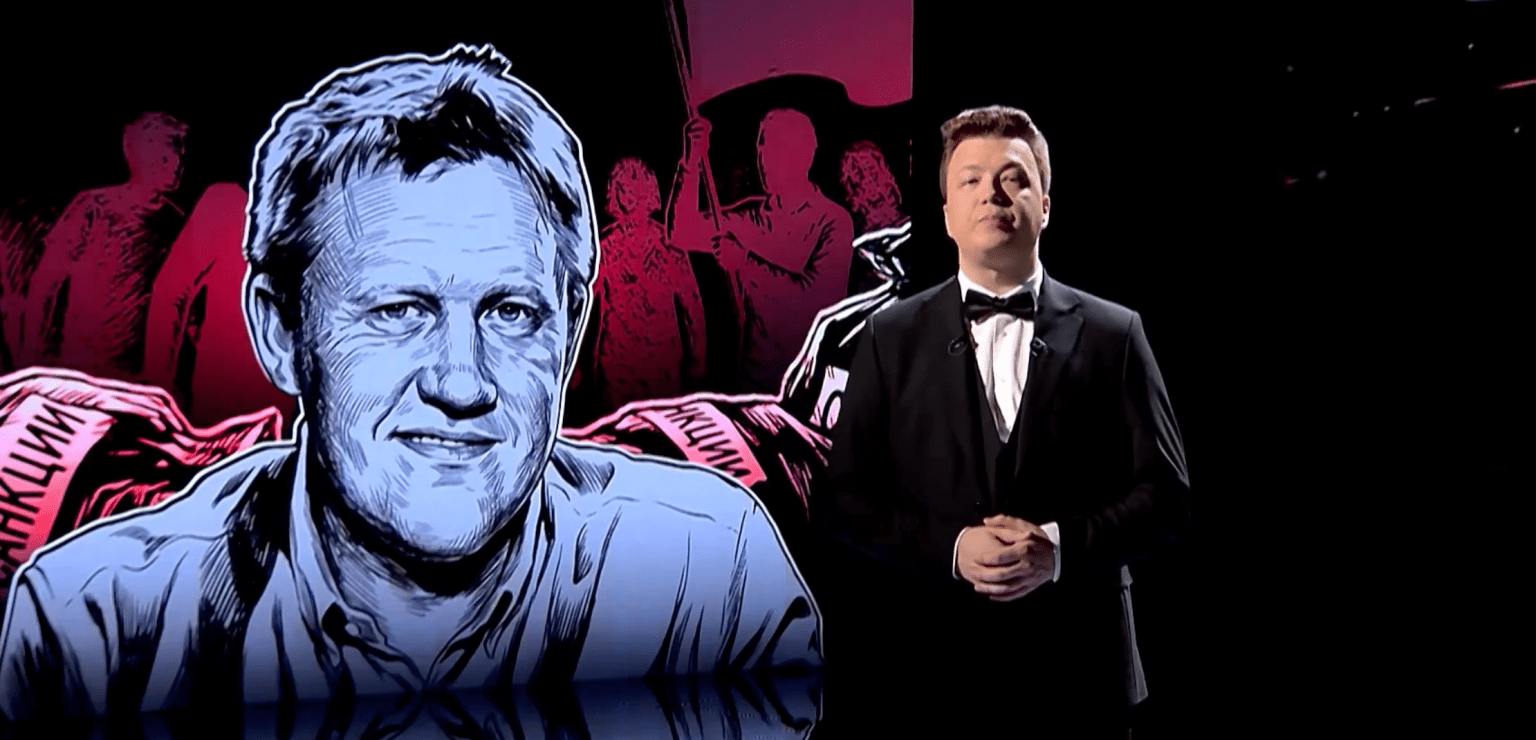
Exiled Belarusian Investigative Journalist Targeted Through State Media Surveillance and Public Doxxing Campaign
April 25, 2026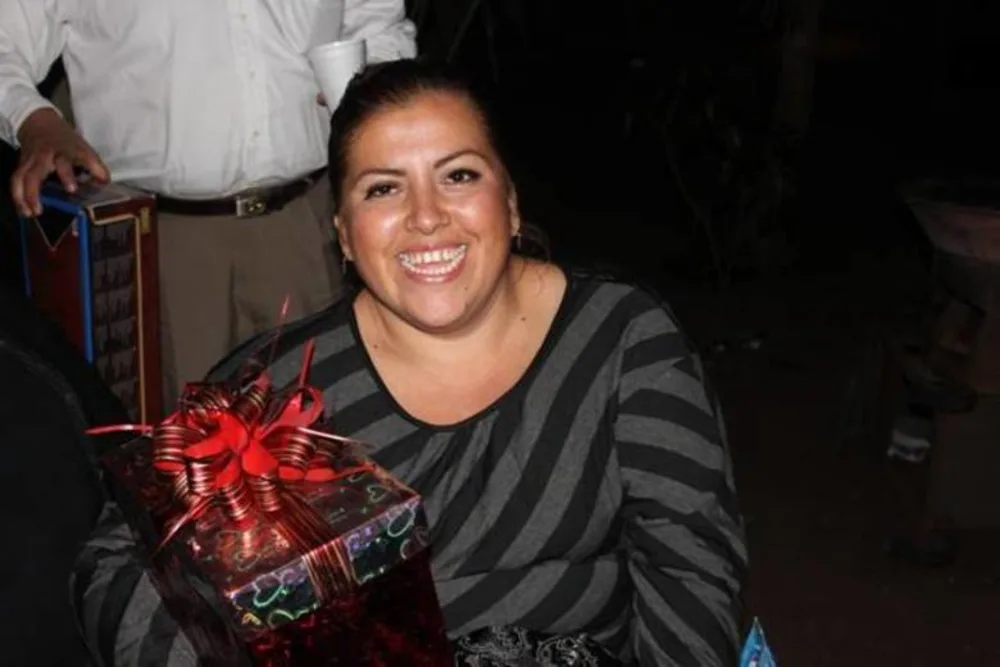
Reporter Missing in Veracruz as Mexico’s Press Freedom Crisis Deepens in High-Risk Region
April 25, 2026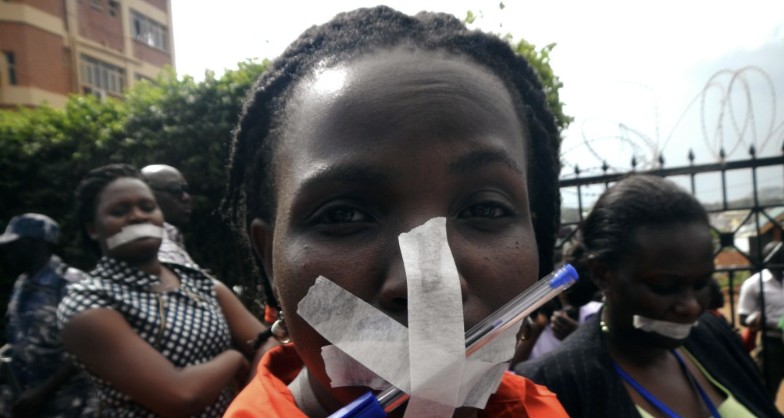
April 25, 2026 – Uganda –
Ugandan journalists could face prison sentences of up to 20 years under a proposed “Protection of Sovereignty” bill that press freedom groups warn could criminalize routine reporting and severely restrict independent journalism in the country. The legislation has triggered alarm among international watchdogs, who say it represents one of the most far-reaching legal threats to media freedom in Uganda in recent years.
The bill introduces a broad “foreign agents” framework that would require individuals and organizations receiving foreign funding or assistance to register with authorities and comply with strict reporting requirements. Journalists, media houses, and civil society actors could all fall under its scope depending on how the law is interpreted and enforced.
Under its provisions, journalists could be prosecuted for activities such as publishing information deemed to undermine state economic policy, influencing public opinion on governance, or engaging in reporting linked to foreign funding. Offenses categorized as “economic sabotage” or “interference in governance” could carry penalties of up to 20 years in prison.
The law also grants broad discretionary powers to the Minister of Internal Affairs to approve, deny, or revoke registration status, potentially allowing authorities to block or penalize journalists on vague grounds such as “security concerns” or unspecified disruptive activity. Operating without registration could itself result in additional prison sentences.
Media freedom organizations, including the Committee to Protect Journalists, have warned that the bill could be used to suppress investigative reporting, particularly on sensitive topics such as elections, corruption, foreign policy, and economic governance. Critics argue that the wide and ambiguous definitions within the legislation create space for selective enforcement against critical media voices.
The proposal has also drawn broader concern from civil society groups, who say it risks extending state oversight deep into journalism funding structures and newsroom operations. Analysts note that restrictions on foreign support and mandatory reporting requirements could significantly weaken independent media sustainability in a country where many outlets rely on external funding.
The bill remains under parliamentary consideration, but its potential passage has already sparked warnings that it could reshape Uganda’s media environment by increasing legal risks for journalists and narrowing space for independent reporting. Press advocates are calling for revisions or withdrawal of the legislation, arguing that its current form threatens fundamental principles of press freedom and public access to information.
Reference –
Ugandan journalists face up to 20 years in jail under draconian foreign agents bill