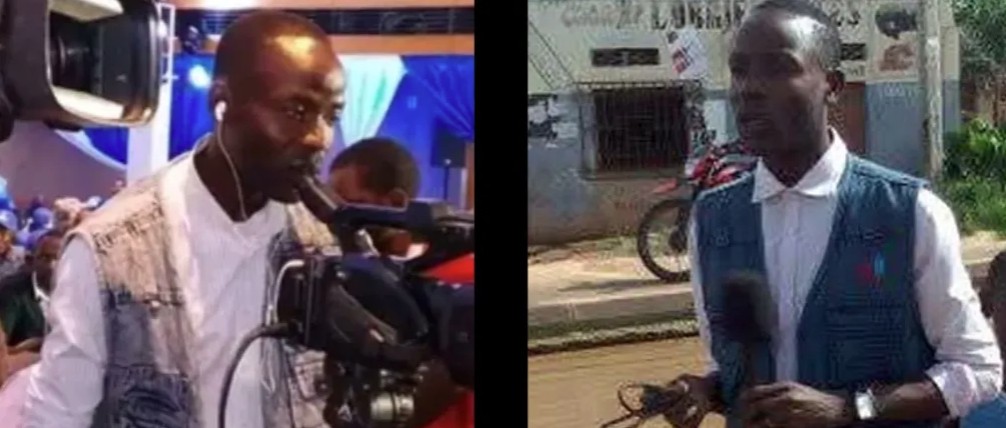
The detention of Angolan journalist Hermenegildo Caculo has sparked renewed concerns over press freedom in Angola, after he was allegedly harassed and held in custody for nearly four days while covering a public protest in the capital, Luanda. The Committee to Protect Journalists (CPJ) reported that Caculo was taken into custody on April 6, 2026, while reporting on a demonstration involving former workers of the state oil company Sonangol.
According to Caculo’s account, he was initially stopped by security personnel after being told not to interview protesters directly in front of the Sonangol building. Despite complying and moving a short distance away to continue his reporting, he was approached by police officers, ordered into a vehicle, and transported between multiple police stations. His detention, he said, was never formally recorded, leaving his arrest status unclear for several days.
The journalist was reportedly held in conditions that included sleeping on benches inside a police facility, with no official documentation of his arrest during the initial period of custody. His lawyer later argued in court that the detention was illegal due to procedural violations, including the failure to register the arrest.
Caculo was ultimately released without charges on April 9 after appearing before a court, which confirmed that his detention had not been properly documented. Legal representatives emphasized that the arrest violated Angolan criminal procedure rules requiring suspects to be brought before a judge within a limited timeframe.
Press freedom advocates, including CPJ, condemned the incident, stating that the journalist’s repeated targeting reflects a broader pattern of intimidation against reporters covering protests and politically sensitive events in Angola. They called for authorities to investigate the circumstances of his detention and ensure accountability for those responsible.
The case comes amid ongoing concerns about the treatment of journalists in Angola, where media workers have faced harassment, brief detentions, and equipment confiscation while covering demonstrations in recent years. Rights organizations warn that such practices contribute to a climate of fear that restricts independent reporting on public protests and government accountability.
Reference –
Angolan journalist harassed, illegally detained for 4 days for protest coverage