Journalist Injured After Prison Van Crashes Into Reporters at Ugandan Court
April 15, 2026
Post-Gazette Journalists Urge New Ownership to Restore Labor Rights and Public Trust
April 15, 2026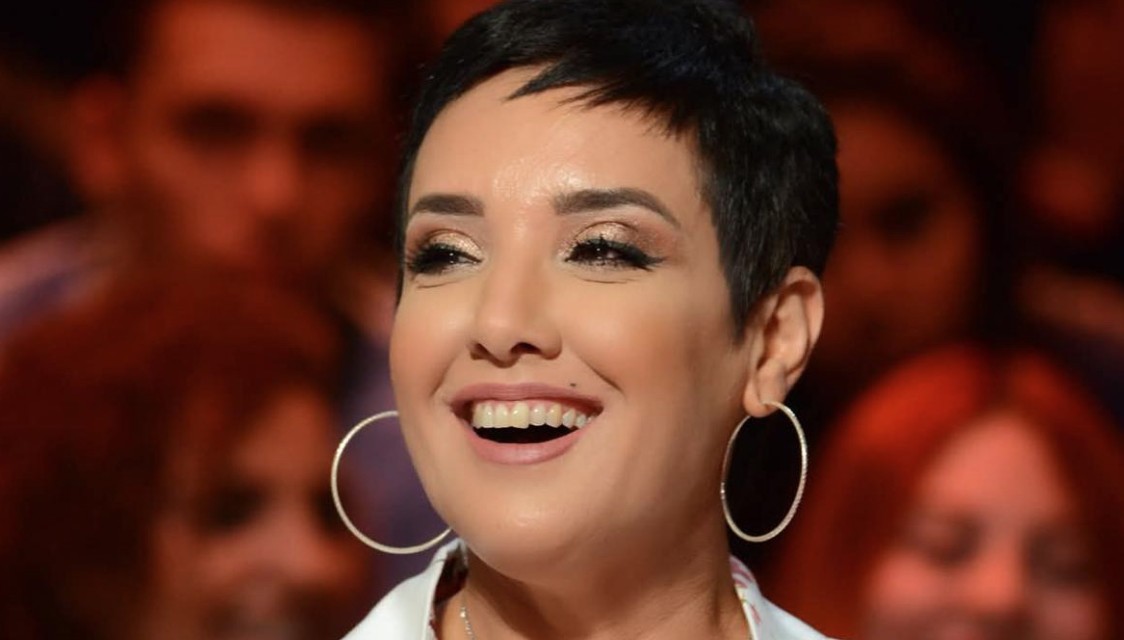
April 15, 2026 – Tunisia –
Tunisia’s judiciary has come under renewed scrutiny after courts handed down additional prison sentences against prominent commentator and lawyer Sonia Dahmani, a move criticised by press freedom advocates who say it reflects an escalating crackdown on dissenting voices.
According to court proceedings and legal sources, Dahmani was recently sentenced to further imprisonment in connection with public statements deemed critical of state policies. In one of the latest rulings, she received an additional two-year sentence, adding to an already extensive series of convictions across multiple cases linked to her media appearances and commentary.
Dahmani has faced repeated prosecutions under Tunisia’s “false news” and related provisions, with courts issuing staggered penalties over time. Reports indicate she is currently entangled in several ongoing cases that could further extend her incarceration, alongside prior convictions tied to televised and radio commentary critical of political and social conditions in the country.
The Committee to Protect Journalists (CPJ) has condemned the latest sentence, arguing that Dahmani’s prosecution forms part of a broader pattern of legal harassment targeting media figures and outspoken critics of the authorities. The organisation has repeatedly called for her release and warned that her case reflects deteriorating press freedom conditions in Tunisia.
In parallel developments, Reuters reported that a Tunisian judge has also ordered the detention of a former head of the country’s anti-corruption body, underscoring what rights groups describe as widening judicial pressure on public figures involved in governance, accountability, and political commentary.
Rights organisations say these cases are part of a broader climate of tightening restrictions under President Kais Saied’s administration, where lawyers, journalists, and opposition figures have increasingly faced arrest, prosecution, or imprisonment over speech-related offences.
CPJ and other advocacy groups argue that the use of criminal provisions against commentary and expression risks undermining judicial independence and restricting public debate, particularly in cases involving political criticism or allegations of state misconduct.
While authorities maintain that prosecutions are based on violations of law, critics insist that the pattern of repeated and cumulative sentencing raises concerns about proportionality and due process.
The developments add to growing international concern over shrinking civic space in Tunisia, where commentators warn that continued prosecutions of media-linked figures could further chill independent journalism and public discourse.
Reference –
CPJ condemns 18-month sentence against Tunisian commentator Sonia Dahmani


