
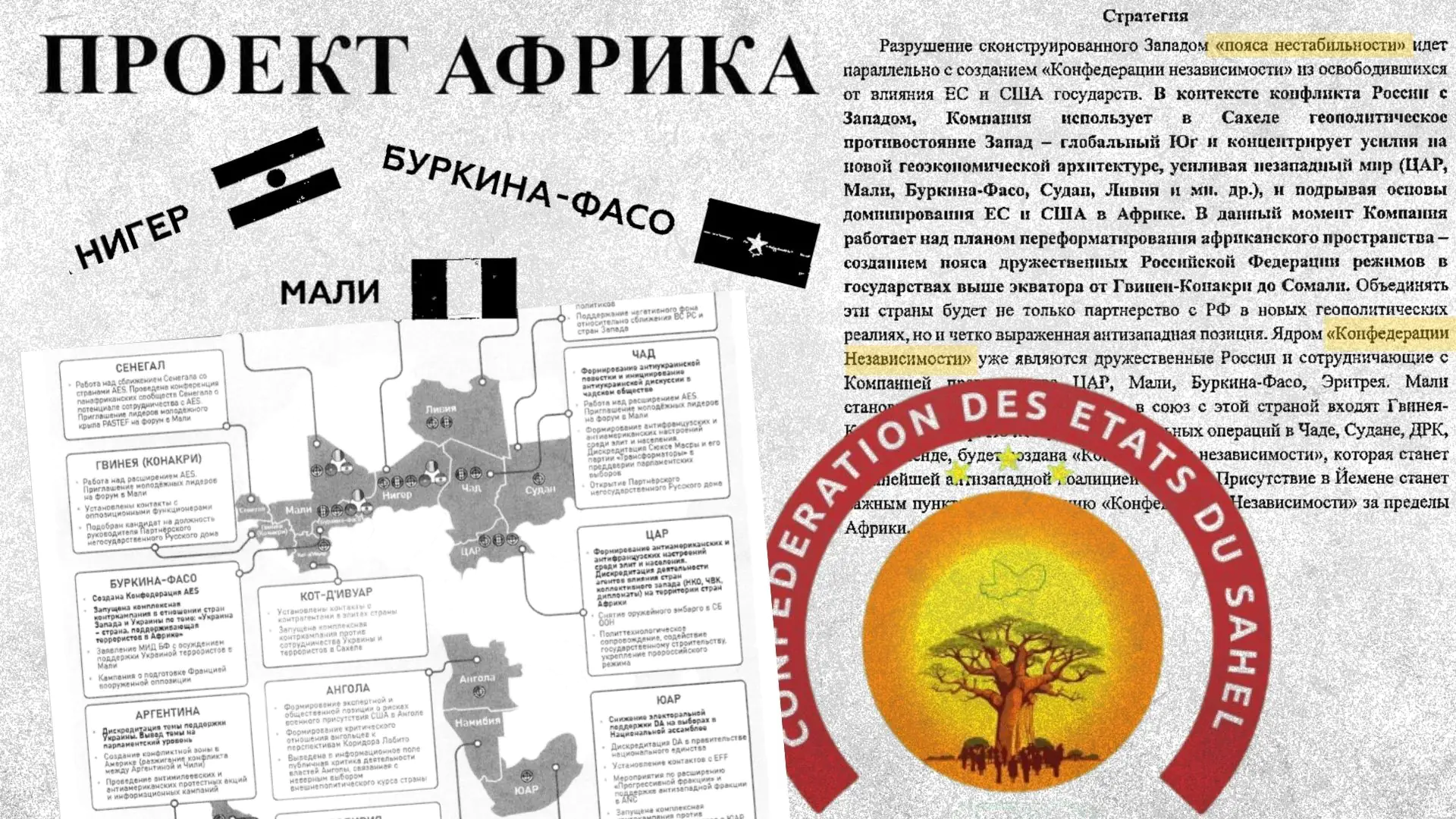
Russian Influence Networks in the Sahel and the New Frontline Against Journalism
March 29, 2026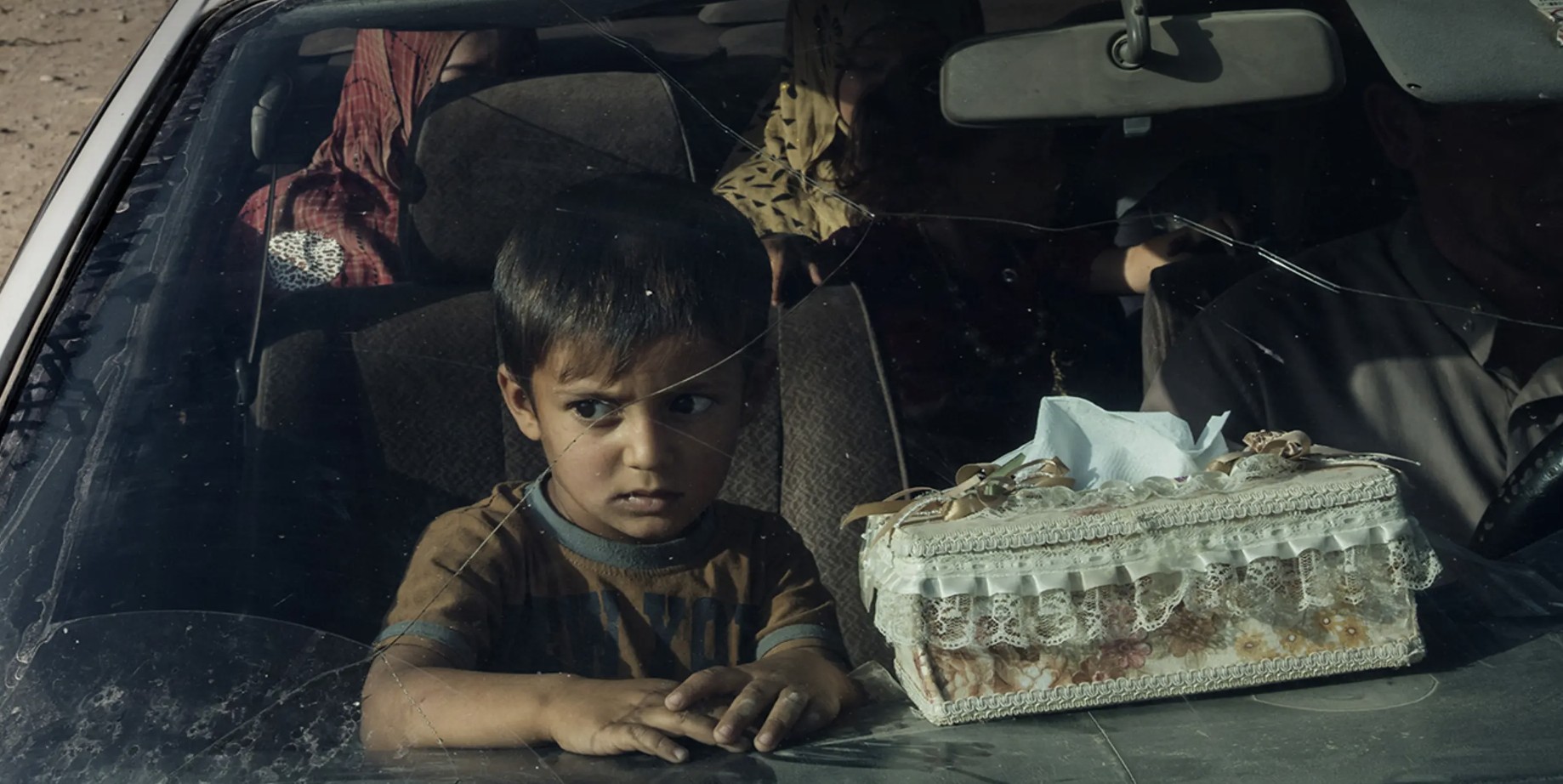
Rethinking Humanitarian Journalism: Toward More Ethical, Impact‑Driven Reporting
April 5, 2026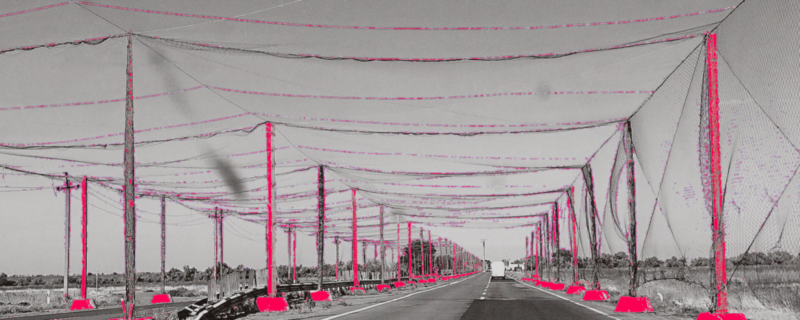
Reporters Without Borders has published a new safety guide for journalists working in Ukraine, warning that Russian kamikaze drones have become one of the most serious and rapidly evolving threats facing reporters covering the war. The guidance reflects growing concern over how frontline journalism is being reshaped by increasingly precise and deadly aerial attacks.
According to RSF, small unmanned aerial vehicles operated in real time by Russian forces are making some frontline areas nearly impossible to cover safely. The organization said these attacks have forced many journalists to work farther from the front and have significantly narrowed access to areas of public interest. The guide was produced in partnership with the Kherson-based foundation Union and is intended as a practical field resource for reporters and media crews operating near active combat zones.
The publication comes after a series of deadly drone strikes against journalists in Ukraine. RSF said three reporters were killed by small Russian kamikaze drones in October 2025 while reporting in the Donetsk region: French photojournalist Antoni Lallican and Ukrainian journalists Alyona Hramova and Yevhen Karmazyn. Their deaths underscored how drone warfare is transforming the risks of war reporting, particularly for journalists working in exposed or semi-accessible areas close to the front line.
Available in English and Ukrainian, the guide focuses on small first-person view drones and similar systems that are highly maneuverable, fast, and capable of pursuing moving targets or entering buildings before exploding. RSF said the document provides operational recommendations on assignment preparation, clothing, transportation choices, and how journalists should react when a drone is detected nearby. The organization emphasized that while no guide can eliminate the dangers of reporting in war, better preparation can reduce the risk of fatal mistakes in increasingly hostile environments.
RSF also said it plans to expand support for Ukrainian media workers in 2026 through additional safety training and the provision of drone detectors. The initiative highlights how journalism in Ukraine is now being shaped not only by shelling and missile attacks, but by a new battlefield threat that is changing how, where, and whether journalists can safely report at all.
Reference –