
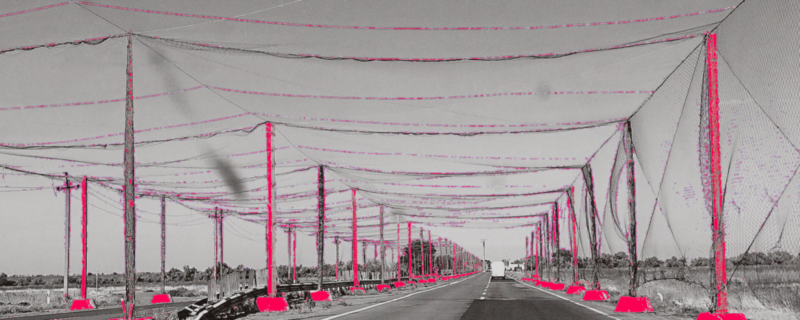
RSF Releases Drone Safety Guide for Journalists Reporting in Ukraine
March 31, 2026
Training Journalists for a World That Keeps Changing: A Research‑Focused Review
April 8, 2026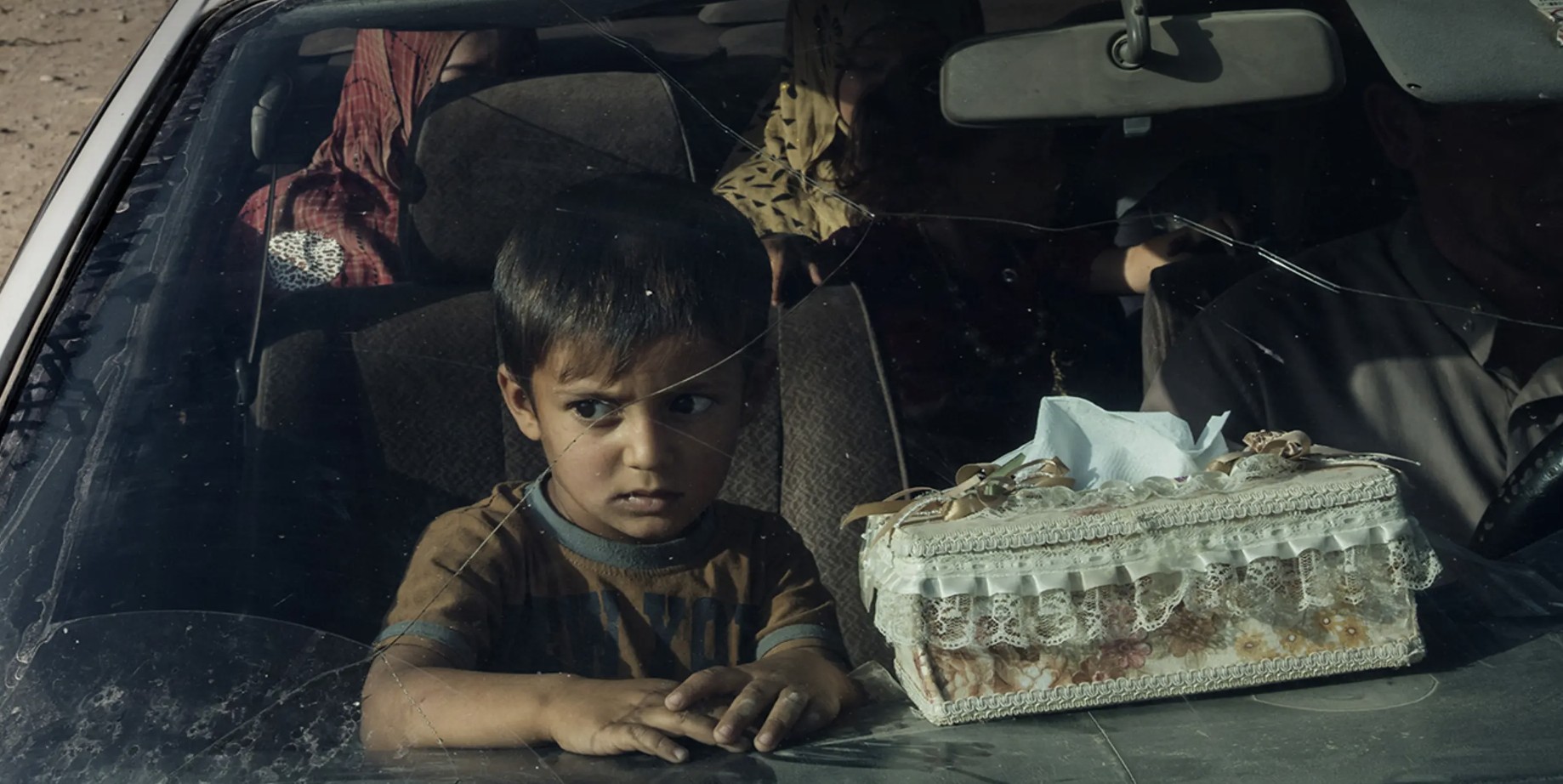
Humanitarian journalism—reporting that seeks not only to inform but also to illuminate urgent human suffering—has gained prominence as crises worldwide, from wars to climate disasters, demand sustained attention. In a recent analysis, media scholars and practitioners argue that while the intent behind humanitarian journalism is noble, its practice often falls short of ethical, contextual, and impact‑oriented ideals, raising important questions about how the field might evolve to better serve affected communities and audiences.
At its core, humanitarian journalism attempts to bridge traditional reporting with advocacy for vulnerable populations. It emerged in response to widespread criticism that conventional news coverage often treats crises as episodic headlines rather than sustained human stories. However, the analysis highlights a key tension in this model: maintaining journalistic objectivity while amplifying deeply emotive narratives. Critics contend that focusing on dramatic imagery and individual suffering can inadvertently reinforce stereotypes of victimhood, obscure structural causes, and strip subjects of agency.
A central theme in the research is the need for contextual depth. Humanitarian stories frequently concentrate on discrete events—such as a bombing, famine report, or displacement moment—without adequately situating those events within political, economic, or historical frameworks. Scholars suggest that this framing limits readers’ understanding of systemic drivers of crises and undermines journalism’s role in promoting informed public discourse. The analysis advocates for “slow” humanitarian reporting that integrates longitudinal research, comparative analysis, and local expert perspectives to produce richer, more explanatory narratives.
Another focus is the representation of affected communities. Traditional humanitarian journalism often privileges external voices—international aid officials, foreign correspondents, visiting experts—while marginalizing local journalists and community members. The research emphasizes the importance of inclusive storytelling, where local journalists play central roles in shaping coverage and subjects are portrayed as agents rather than passive victims. Such inclusion not only improves accuracy but also supports media ecosystems in crisis-affected regions.
The analysis also interrogates the ethical implications of visual imagery. Graphic photos and videos can drive attention yet risk retraumatizing subjects, desensitizing audiences, or commodifying suffering. Researchers recommend editorial standards that balance visual impact with dignity, consent, and cultural sensitivity.
Finally, the article explores new modalities that leverage participatory reporting and solutions journalism—approaches that document not just problems but responses and innovations emerging from within communities. These methods shift humanitarian journalism from a deficit model toward one that acknowledges resilience and agency.
In conclusion, the research suggests that humanitarian journalism can be strengthened by deepening context, centering local voices, adopting ethical visual practices, and embracing participatory and solutions‑oriented frameworks. Such shifts could help the field transcend episodic crisis coverage and contribute more robustly to global understanding and accountability.
Reference –
https://aeon.co/essays/how-might-humanitarian-journalism-be-done-better