

Believability Versus Credibility: What Journalism Can Learn From Digital Creators
May 20, 2026
Documenting State Violence: Brazilian Photojournalism and the Human Impact of Police Operations
May 24, 2026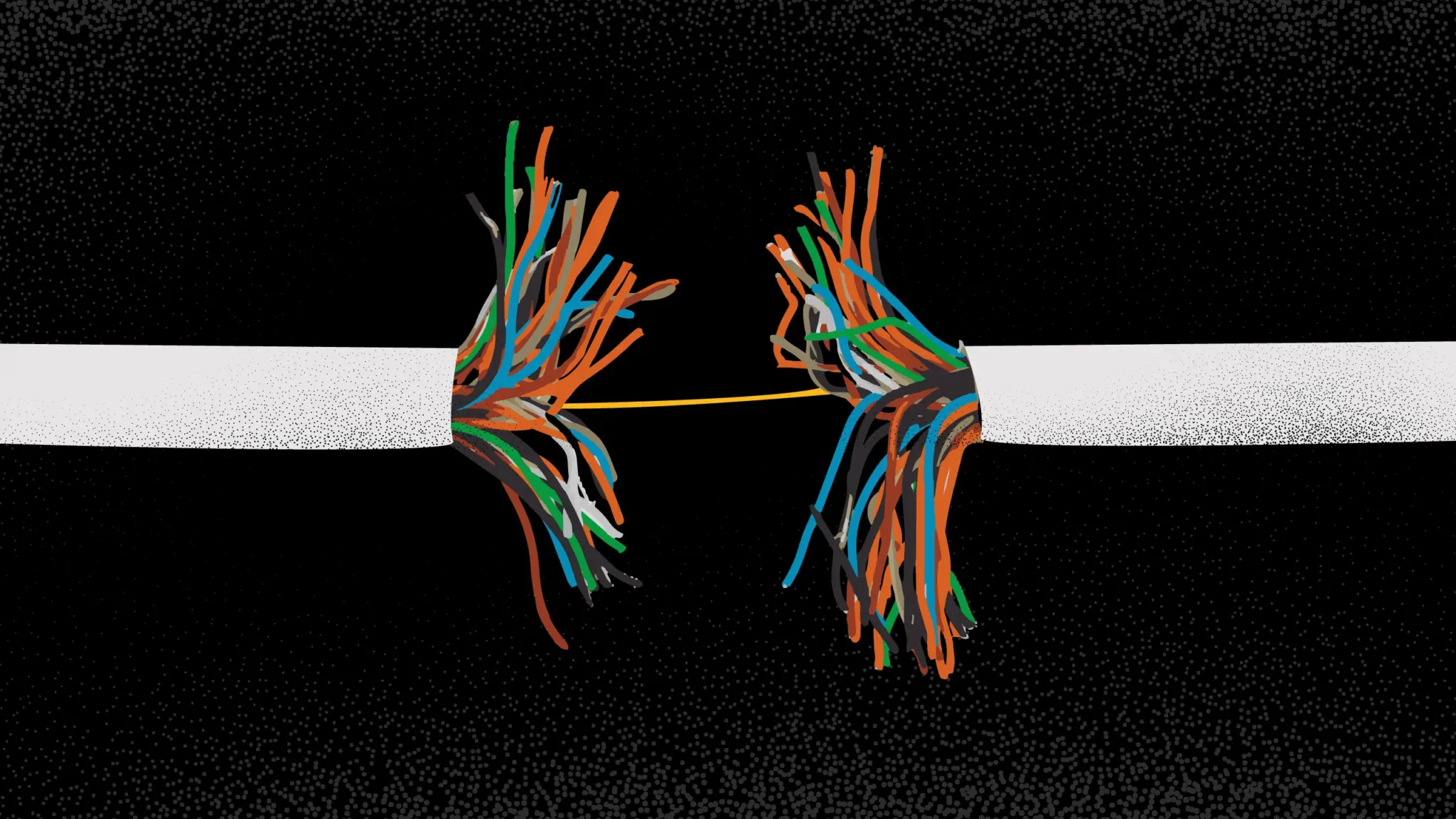
Internet shutdowns and communication blackouts have become increasingly common during political crises, protests, armed conflicts, and elections, creating major obstacles for journalists attempting to gather information and report developments in real time. A recent analysis published by Global Voices examined how reporters continue working when governments or authorities deliberately restrict digital access and communication networks.
The article explained that internet shutdowns are often used by governments as tools to control information, suppress dissent, limit public mobilization, and restrict media coverage during periods of instability. These disruptions can involve blocking mobile data, restricting social media platforms, slowing internet speeds, or completely disconnecting regions from online communication systems. According to digital rights organizations, shutdowns have expanded globally over the past decade and increasingly affect journalists, activists, and humanitarian organizations.
The report highlighted that journalists working under shutdown conditions often develop alternative communication methods to continue reporting. These workarounds include using satellite phones, virtual private networks (VPNs), offline messaging tools, mesh networks, and encrypted communication platforms capable of functioning with limited connectivity. Some reporters also physically transport information across regions where internet access remains available.
According to the article, local journalists frequently face the greatest risks because they continue operating inside blackout zones, while international reporters may lose direct visibility into unfolding events. In many cases, reporters rely on community networks, radio communication, diaspora contacts, and citizen journalists to verify information when traditional digital verification tools become unavailable.
The analysis also emphasized the psychological and professional strain caused by communication blackouts. Journalists working during shutdowns often struggle to confirm facts, maintain contact with editors, ensure source safety, and publish reports quickly. Blackouts can additionally isolate reporters from emergency assistance and expose them to heightened surveillance or arrest.
Digital rights experts cited in the article argued that internet shutdowns represent a serious threat to press freedom and democratic accountability because they limit access to independent information during critical events. Organizations including Access Now and the Committee to Protect Journalists have repeatedly criticized governments for using shutdowns to conceal abuses, restrict media scrutiny, and control political narratives.
The article further noted that technological adaptation has become an increasingly important skill within modern journalism. Reporters covering conflicts and authoritarian environments are now more likely to receive training in digital security, encrypted communications, offline data storage, and alternative publishing methods. International media organizations have also expanded partnerships with local reporters capable of operating under restrictive conditions.
The report concluded that despite growing technological repression, journalists continue finding ways to document events and transmit information even when internet access is deliberately disrupted. However, media advocates warn that the increasing normalization of shutdowns poses long-term dangers to press freedom, transparency, and the public’s ability to access reliable information during crises.
Reference –
Reporting when the internet goes dark: How journalists find workarounds when cut off