Research

Global Report Shows Journalist Jailings “Stubbornly High” in 2025 With Pervasive Harsh Prison Conditions
A major special report by the Committee to Protect Journalists (CPJ) reveals that despite slight reductions in some places, the number of journalists imprisoned worldwide in connection with their work remained at alarmingly high levels in 2025, and many of those imprisoned endured cruel, life-threatening conditions that further imperil press freedom. The findings highlight enduring threats to journalists globally and significant challenges for media independence and human rights. According to CPJ’s 2025 annual prison census, 330 journalists were incarcerated as of December 1, 2025, marking the fifth consecutive year that more than 300 media professionals...
Climate and Environmental Journalism in Africa — Mapping Challenges, Risks and Strategic Support
Climate change and environmental degradation pose existential threats to communities across Africa, yet journalists covering these issues frequently confront significant barriers that undermine press freedom, safety, and the quality of reporting. The International Press Institute (IPI) — together with partner organisations — has documented these challenges in research programmes and monitoring initiatives aimed at strengthening climate and environmental journalism in Africa, highlighting patterns of risk, structural obstacles, and potential support strategies. The Continental Context: Environmental Vulnerability Meets Limited Coverage Africa’s climate vulnerability is well established: the continent faces rising temperatures, extreme droughts, floods, deforestation, biodiversity...
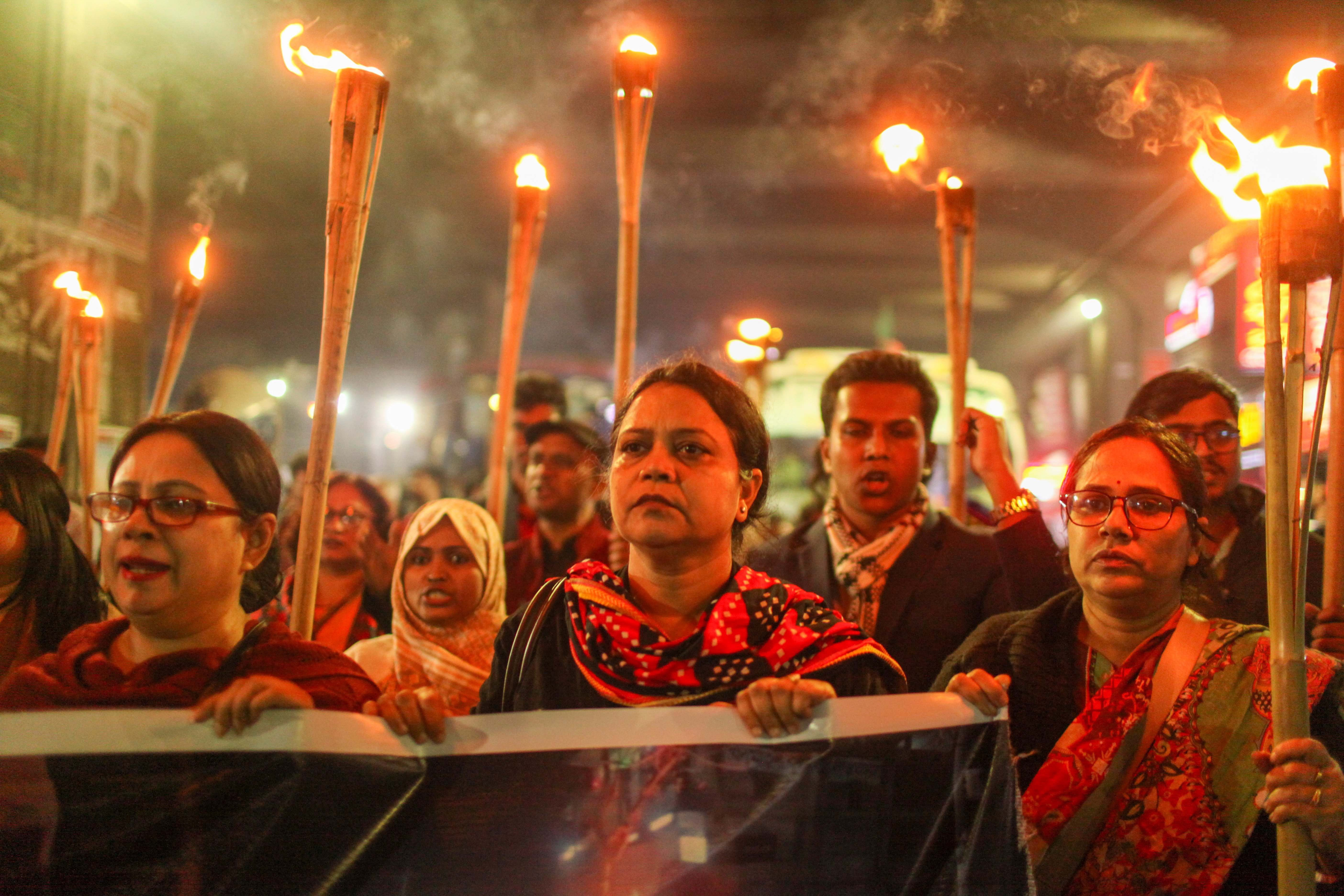
Safety Strategies for Journalists Covering Protests
Journalists covering protests and civil unrest face a complex landscape of physical, legal, and situational risks that can compromise both their safety and their ability to report accurately. Protests, while often peaceful, can quickly escalate into hostile environments due to clashes between demonstrators and authorities, crowd dynamics, and the actions of law enforcement. This necessitates a structured approach to safety planning for media professionals. Risk Environment and Context Protests present dynamic conditions that can shift without warning. Reports from recent civil unrest — including incidents in the United States where journalists were hit by rubber...
The Deadly Reality of Journalism in 2025
The year 2025 emerged as one of the most perilous periods in recent history for journalists and media professionals worldwide, with a record-high number of fatalities and escalating threats to press freedom across multiple regions. Data compiled by media monitors and press freedom organisations indicate that at least 128 journalists and media workers were killed globally during 2025, reflecting a grim toll on those reporting in conflict zones, under authoritarian regimes, and in areas plagued by criminal violence. Global Context of Journalist Fatalities According to the International Federation of Journalists (IFJ), the final 2025 tally...
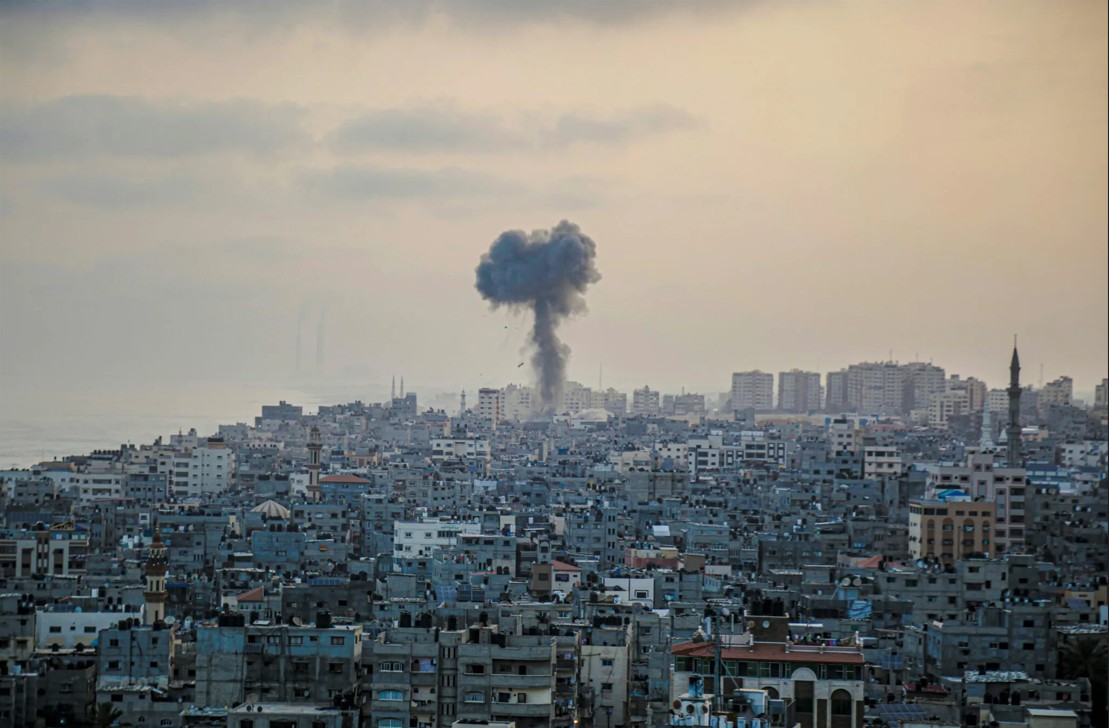
Why Israeli Forces Target Palestinian Journalists in Gaza
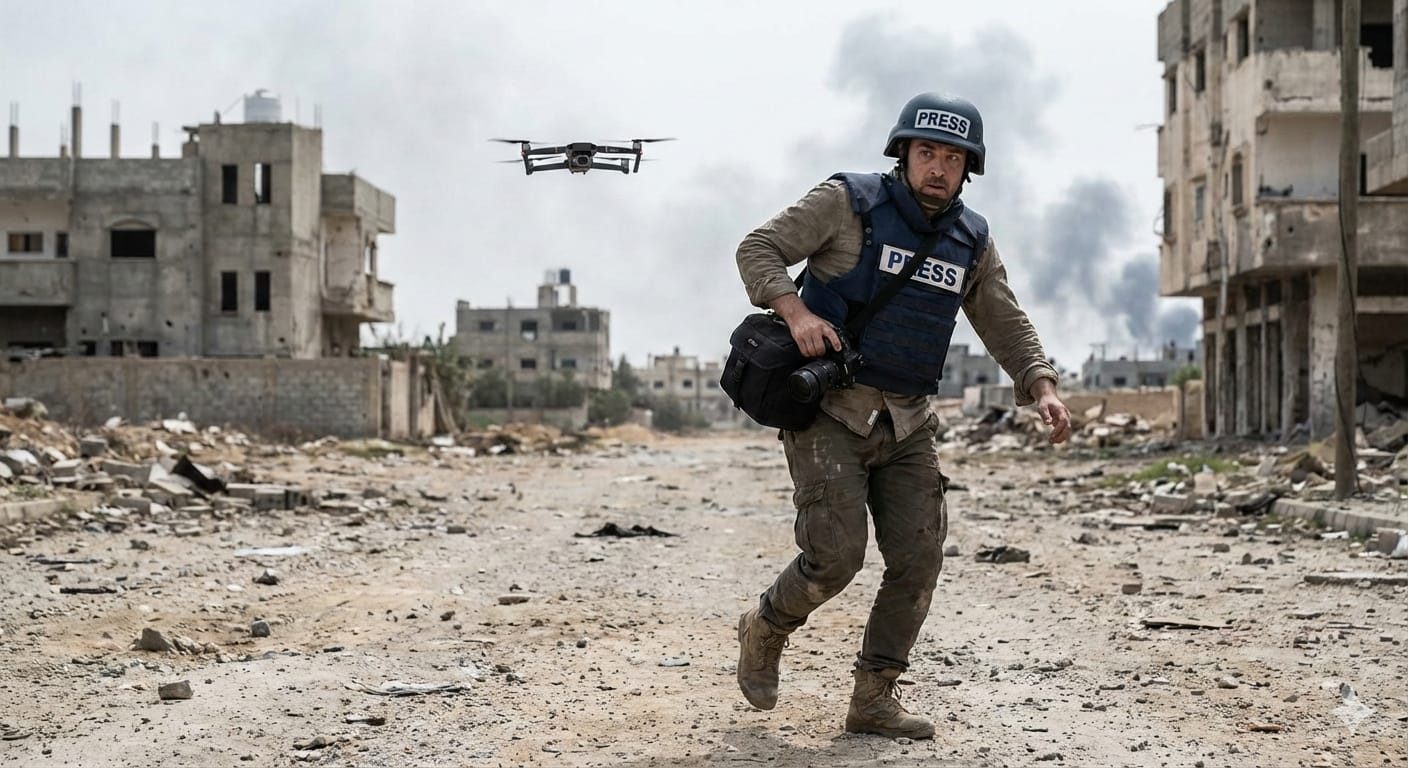
The targeting of Palestinian journalists in Gaza during the ongoing conflict between Israel and Palestinian armed groups has emerged as one of the most consequential threats to press freedom in a contemporary armed conflict. Independent observers, human rights groups, and media freedom advocates document that an unusually high number of journalists and media workers have been killed, injured, harassed, or barred from reporting in the territory — a pattern far exceeding typical combat-related risks faced by journalists in war zones. Scope and Nature of Targeting Since the resumption of hostilities in October 2023, estimates from...
Knight Center Publishes Trilingual Ebook Based on Surveys of 4,000 Latin American Journalists
The Knight Center for Journalism in the Americas at the University of Texas at Austin has released a free trilingual ebook — in English, Spanish, and Portuguese — titled The Worlds of Journalism: Safety, Professional Autonomy, and Resilience among Journalists in Latin America, based on surveys of more than 4,000 working journalists across 11 countries conducted between 2021 and 2024 as part of the World of Journalism Study (WJS). The publication, produced with partners including the University of Miami and UT Austin’s Center for Global Change and Media, provides one of the most comprehensive portraits...
Ethnic Albanian Journalist Recalls Threats, Harassment as Yugoslavia Unravelled
Dijana Toska, an ethnic Albanian journalist, has shared her experiences of threats, censorship and harassment by authorities during the 1980s and 1990s as the former Socialist Federal Republic of Yugoslavia collapsed and ethnic tensions rose across the region. Toska described how her reporting — particularly on issues affecting ethnic Albanian communities — drew pressure from state security services and administrative restrictions that aimed to suppress independent and critical journalism. Her reflections highlight the risks faced by journalists covering ethnic conflict and political upheaval in the Balkans during that period, underscoring how media freedoms were constrained...
Allegations of Sexual Violence Against Journalists and Activists After Freedom Flotilla Detention Raise Serious Human Rights Concerns
Reports have circulated alleging that journalists and activists participating in the 2025 Freedom Flotilla missions to Gaza were subjected to sexual violence, including rape, following their capture and detention by Israeli police and prison officials, according to statements from the Freedom Flotilla Coalition (FFC) and participants. These accounts, though widely circulated in activist and coalition channels, remain unverified by independent international media or established human rights monitoring bodies at this time, and should be interpreted cautiously pending further corroboration from credible sources. The allegations stem from testimonies shared by individuals associated with the flotilla mission,...
Global Report Finds 128 Journalists and Media Workers Killed in 2025, IFJ Warns of Escalating Risks
A newly released analysis by the International Federation of Journalists (IFJ) reveals that a total of 128 journalists and media workers were killed worldwide in 2025, underscoring a perilous environment for news professionals and persistent global threats to press freedom and safety. The definitive list, finalised on December 31, reflects additional confirmed deaths in conflict zones and through targeted attacks, as well as accident-related fatalities, and marks another year of elevated casualties for those reporting on critical public issues. The IFJ’s tally includes a diverse array of journalists and media staff, encompassing local reporters, camera...
Unresolved LVF Assassination of Martin O’Hagan Highlights Enduring Threats to Press Freedom in Northern Ireland
The assassination of investigative journalist Martin O’Hagan remains a defining and unresolved case, illustrating the persistent dangers faced by media professionals reporting on organised crime and paramilitary activity in Northern Ireland. O’Hagan, a seasoned reporter for the Sunday World, was fatally shot on September 28, 2001, by gunmen linked to the Loyalist Volunteer Force (LVF) while walking home with his wife in Lurgan, County Armagh. At age 51, he became the first journalist killed in Northern Ireland’s recent history as a direct result of his work, a crime that has never led to a successful...
The Enduring Power of Journalism in a World of Expanding Media and Shrinking Freedom
In the contemporary media landscape, the sheer volume of information channels has never been greater, yet global press freedom is eroding markedly, creating a paradox in the role and impact of journalism. Despite an unprecedented proliferation of media outlets driven by digital platforms, social networks, and mobile technologies, the quality, independence, and freedom of journalistic reporting are under increasing threat from political constraints, economic pressures, and structural barriers. This trend reflects a broader global reality in which more media does not equate to greater freedom or reliability of information. A core argument in this analysis...
Global Journalism Faces Deadliest Year on Record Amid Shrinking Freedom
In 2025, the journalism profession has confronted an unprecedented global crisis marked by the highest toll of journalist deaths in decades and deepening constraints on media freedom. According to reporting by Scroll.in, the year reached a “murderous milestone” on December 10 when verified killings of journalists and media workers equaled 126, matching the highest annual total on record and with several weeks remaining. This figure, tracked by the Committee to Protect Journalists (CPJ), surpasses any annual death toll since systematic records began in 1992, underscoring the sharp escalation in risks associated with reporting on conflict...
Surge in Attacks and Intimidation Against Journalists in Malawi Undermines Press Freedom
A year-end assessment of press conditions in Malawi during the 2025 election cycle reveals a significant escalation in physical and digital attacks on journalists, coupled with widespread impunity that threatens the country’s democratic accountability and media independence. According to the Malawi chapter of the Media Institute of Southern Africa (MISA), more than 10 reported assaults, acts of intimidation, and coordinated online harassment targeting local reporters occurred throughout 2025, yet no perpetrator has been prosecuted for these violations. The pattern reflects a broader deterioration in the safety environment for media professionals covering politically charged events in...
Bearing Witness Under Fire: The TJC Project’s Global Documentation of Attacks on Journalists in 2025
Targeting Journalists is a Crime (TJC) is a global alliance dedicated to safeguarding journalists and demanding accountability for attacks against them. In 2025, TJC tracked an alarming surge in violence, repression, and impunity impacting media workers worldwide. This research report compiles everything the TJC Project covered in 2025, highlighting key trends: a record number of journalist killings (driven largely by conflict zones), continued murders by criminal actors, widespread arrests and censorship, and some notable strides toward justice. The findings underscore TJC’s mission – “defending truth... demanding justice”– as urgent and vital in today’s press freedom...
Investigating Government Spyware Targeting Journalists and Activists: A Research Overview
This research-oriented article examines the work of a specialised cybersecurity incident response team that investigates suspected spyware attacks on journalists, human rights defenders, and activists worldwide. The piece focuses on the Digital Security Helpline operated by Access Now, a nonprofit organisation that provides expert support to individuals and civil society organisations targeted by sophisticated government spyware. These spyware campaigns, typically developed by private vendors and deployed by state actors, pose serious threats to press freedom, privacy, and civil liberties globally. Background and ContextGovernment spyware — such as that produced by commercial cyber-arms vendors like NSO...
Can Dündar: The Turkish Journalist Who Met His Killer — A Case Study in Press Freedom and Exile
This research article examines the intersection of press freedom, political violence, and the risks faced by critical journalists through the lived experience of Can Dündar, a prominent Turkish journalist who survived an assassination attempt and now lives in exile. By analysing Dündar’s career, the threats against him and the broader suppression of media dissent in Turkey, the study highlights how authoritarian pressures transform press criticism into a matter of personal security and exile. IntroductionFreedom of expression and independent journalism have faced sustained erosion in Turkey, particularly under successive governments that have expanded legal and extralegal...
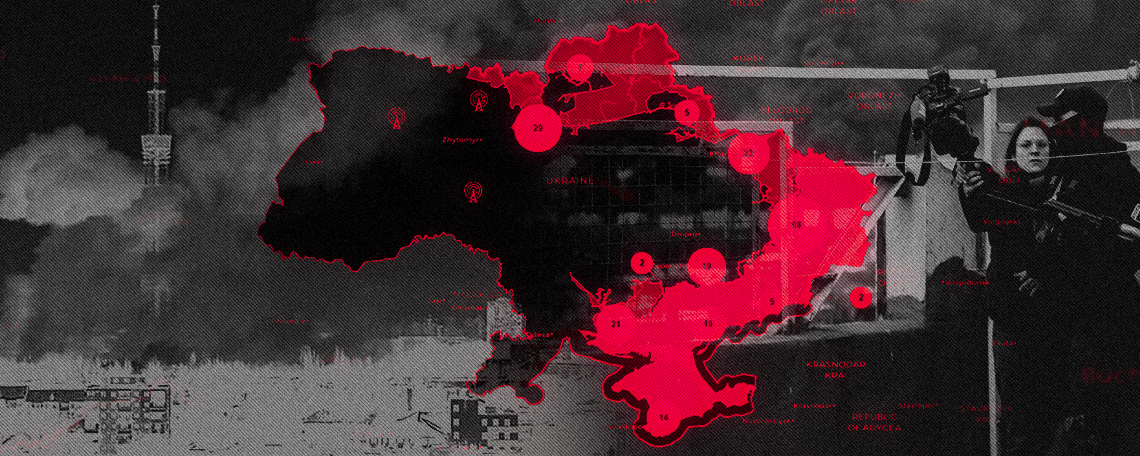
The Kremlin’s Press Crackdown Through the Lens of a Journalist’s Two-Year Imprisonment
This research-oriented analysis examines the press freedom crisis in Russia, using the two-year imprisonment of journalist Nika Novak as a case study. Novak’s experience highlights systemic repression of independent media under the Kremlin, revealing patterns of harsh treatment, legal constraints, and diminished transparency that reflect broader suppression of journalism in Russia since the full-scale invasion of Ukraine. IntroductionPress freedom in Russia has deteriorated sharply in recent years, particularly following the escalation of the conflict in February 2022. Laws penalising “false information” about the military, aggressive enforcement actions, and expanded definitions of prohibited speech have created...
The Enduring Power of Journalism in a World of More Media and Less Freedom
This research article examines the paradoxical global media landscape in which journalism’s influence persists despite increasing restrictions on press freedom. Drawing on cross-regional data, case studies, and theoretical frameworks, the analysis demonstrates how journalism continues to shape public discourse even as authoritarian pressures, regulatory constraints, and digital ecosystem challenges compromise independent reporting. The article identifies structural threats to press freedom, explores journalists’ adaptive strategies, and offers implications for policymakers and media scholars concerned with safeguarding transparent information environments. IntroductionIn an era marked by expanding media platforms and shrinking democratic space, journalism’s role remains pivotal for...
Transnational Repression Against Journalists in Exile: Patterns, Mechanisms, and Policy Responses
This research article examines the phenomenon of transnational repression targeting journalists who have fled their home countries to avoid persecution, violence, or censorship. Drawing on documented cases, legal frameworks, and expert analysis, the European Centre for Press and Media Freedom (ECPMF) outlines the varied tactics employed by repressive states, assesses impacts on press freedom and democratic processes abroad, and proposes a set of policy recommendations for protecting exiled journalists and countering cross-border harassment. This multidisciplinary study situates transnational repression within broader global trends, including digital surveillance, diplomatic leverage, and extraterritorial legal actions that constrain journalistic...
Targeted Sanctions as a Tool to Protect Journalists — Examining Policy, Practice, and Potential Impact
This research article analyzes the emerging policy discourse on the use of targeted sanctions to protect journalists, drawing on a recent report that examines sanctions as a mechanism to deter attacks on media workers, enhance accountability for rights abuses, and strengthen international protections for press freedom. The analysis situates sanctions within broader efforts to safeguard journalists in contexts of political repression, armed conflict, and impunity. Background and Problem Statement Journalists worldwide face a growing array of threats, including arbitrary detention, violence, digital harassment, censorship, and legal persecution. Traditional protective measures — such as diplomatic advocacy,...
The Future of Accountability Journalism — Moving Beyond Exposure
This research article analyzes a major shift in the conceptual framework of accountability journalism as outlined in a recent Nieman Lab piece. It explores how traditional paradigms — which have long centered on exposing wrongdoing as the primary mechanism for holding power to account — are evolving in response to changes in audience expectations, political polarization, digital media ecosystems, and the complex nature of contemporary power structures. Background and Problem Statement For decades, journalism’s core civic mission has been understood as uncovering and exposing misconduct by governments, corporations, and other powerful actors. Investigative reporting, audits...
Intimidation, Fear, and Survival – The Struggle of African Journalists Amid Political and Legal Pressures
This research brief examines the pressing challenges African journalists face, as documented in a comprehensive piece by the Al Jazeera Media Institute. It situates individual experiences within broader patterns of repression, intimidation, legal harassment and self-censorship that are undermining press freedom across the continent. Background and Analytical Framework Journalism in Africa operates under diverse and often hostile political environments where both state and non-state actors exert pressure aimed at controlling public narratives. This dynamic has intensified in recent years, with threats ranging from physical violence and legal entanglement to economic coercion and digital harassment. The...
UNESCO Warns of Serious Global Decline in Freedom of Expression and Journalists’ Safety
A new report by the United Nations Educational, Scientific, and Cultural Organization (UNESCO) reveals a significant and accelerating global decline in freedom of expression and the safety of journalists. The findings, drawn from UNESCO’s World Trends in Freedom of Expression and Media Development Report 2022–2025, signal a troubling reversal of press freedoms and raise critical questions about the resilience of information ecosystems worldwide. Key Findings Global Freedom of Expression Has Contracted SharplyUNESCO’s analysis shows that between 2012 and 2024, global freedom of expression decreased by about 10%, a drop comparable to levels seen only during...
Pakistan’s Press Freedom Crisis and the Use of Cybercrime Laws Against Journalists
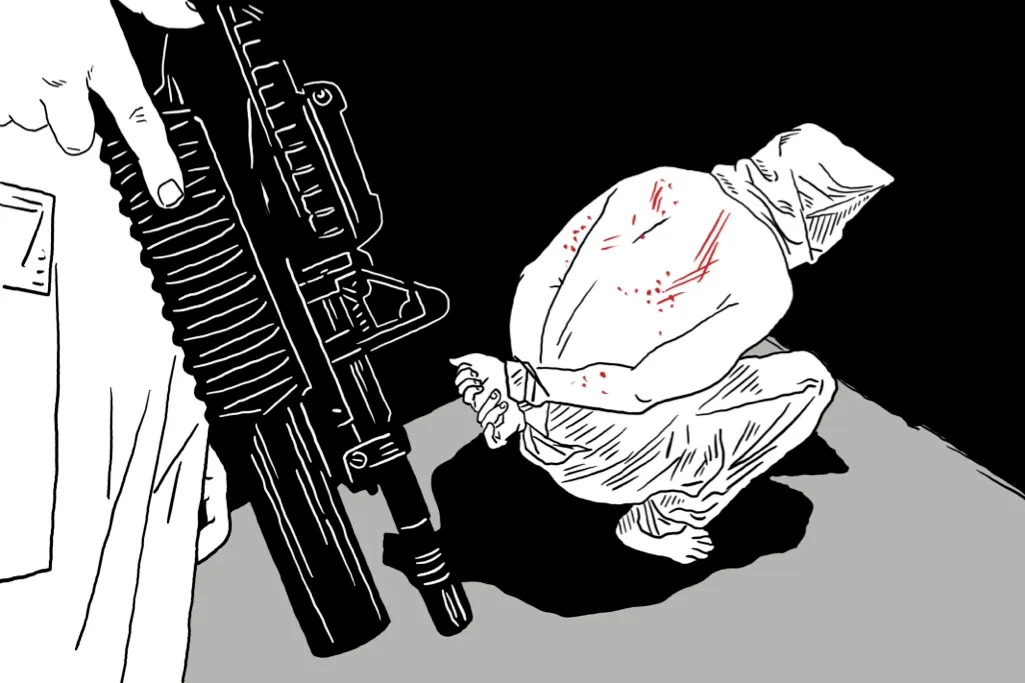
This research brief examines the deepening press freedom crisis in Pakistan through the case of a Pakistani YouTuber who has alleged torture and coercion while in custody under the country’s cybercrime laws. The case highlights broader structural concerns about the use of digital regulations, custodial practices, and security narratives to suppress journalistic activity and online expression. Context and Background Pakistan has increasingly relied on the Prevention of Electronic Crimes Act (PECA) and related cybercrime provisions to investigate, detain, and prosecute journalists, bloggers, and digital content creators. While officially framed as tools to combat disinformation and...
Why Women Journalists Cannot Log Off — Digital Violence, Gender, and the Persistence of Online Harassment
This research brief examines the structural and gendered dynamics of online harassment faced by women journalists, drawing on recent reporting that highlights why many women in the profession are unable to disengage from digital spaces without professional or personal consequences. The analysis situates online abuse not as an incidental byproduct of social media but as a sustained form of gender-based violence that directly affects press freedom, mental health, and journalistic practice. Context and Problem Definition Women journalists increasingly rely on digital platforms to report, build sources, distribute work, and engage audiences. However, these same platforms...
1 2 3 10