
Research

Billionaire David Hoffmann’s Strategic Bid to Revive American Newspapers
In the midst of a decades‑long decline in U.S. local news, billionaire entrepreneur David Hoffmann has developed a multifaceted strategy aimed at revitalising regional and community newspapers through ownership consolidation and operational overhaul. Hoffmann’s approach, as documented in a comprehensive Forbes profile, blends traditional media stewardship with financial restructuring and local‑centric editorial focus in an effort to stem the closure of titles and re‑engage audiences. Hoffmann’s playbook centres on acquiring distressed publications and integrating them under shared operational systems to reduce costs while maintaining or expanding newsroom capacity. Over approximately four years, he has gained...

March Press Freedom Violations Report by MKG Highlights Multidimensional Suppression of Journalists
The Mesopotamia Women Journalists Association (MKG) has published its March 2026 report on press freedom violations, offering systematic documentation of legal harassment, intimidation, censorship, and physical interference faced by journalists, with a particular emphasis on violations affecting women in the profession. The report provides both quantitative counts and qualitative descriptions of multiple categories of repression experienced within the reporting period, highlighting how ongoing restrictions undermine the public’s right to access information. Methodologically, the MKG report aligns with press freedom monitoring frameworks used by civil society groups worldwide: it categorizes violations into detentions, threats, investigations, lawsuits,...
Unprecedented Killings of Palestinian Journalists in Gaza: A Research‑Focused Analysis of Press Freedom Erosion
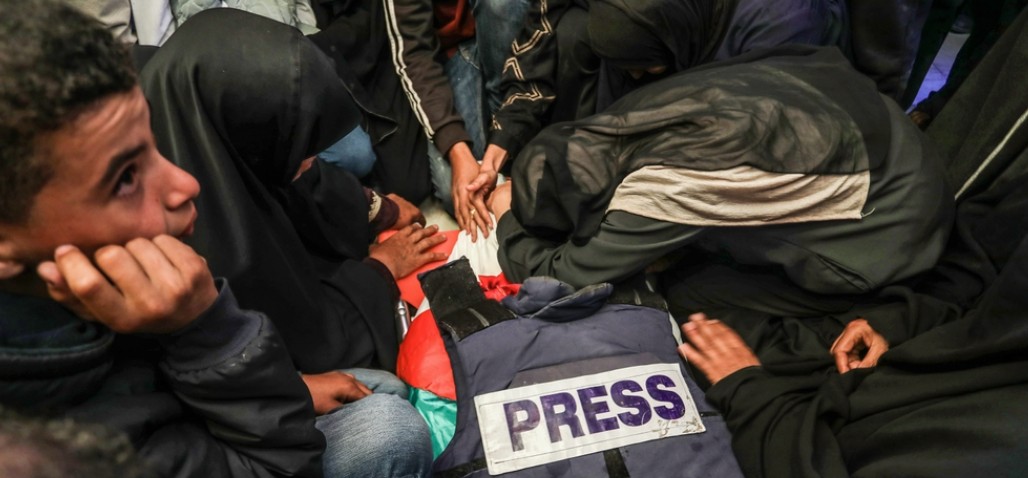
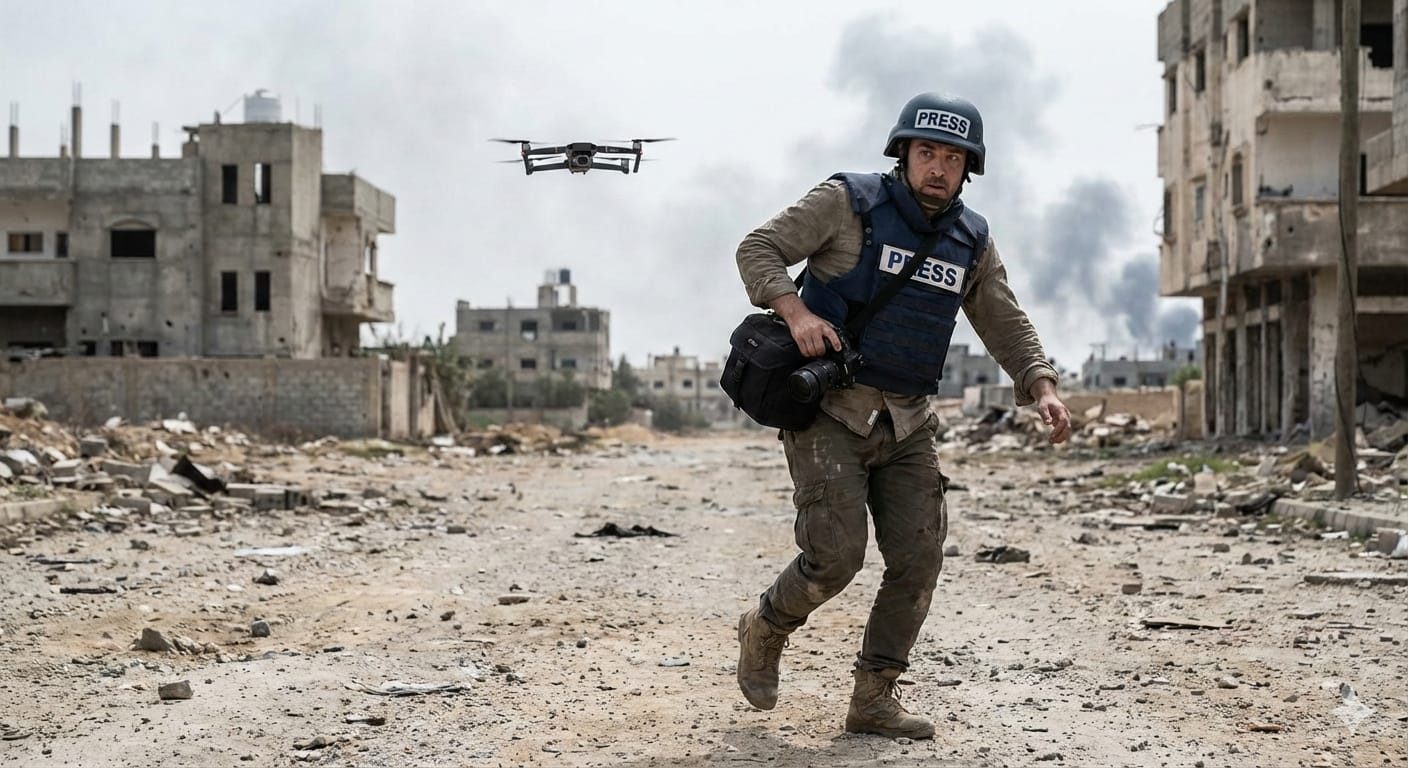
The continued conflict in Gaza has coincided with historically high journalist fatality rates, prompting urgent examination of implications for press freedom and accountability reporting. According to the Global Investigative Journalism Network, the killing of Palestinian journalists in Gaza — described as “unprecedented” — has made independent reporting and verification of events on the ground nearly impossible, significantly undermining traditional mechanisms journalists use to inform public discourse. Quantitative data from multiple press freedom monitors corroborates the scale of journalist fatalities in Gaza. In 2025, the Committee to Protect Journalists (CPJ) documented a record 129 press members...
Inside the Newsroom: A Research‑Focused Exploration of How Journalists Gauge Public Sentiment Without Polls
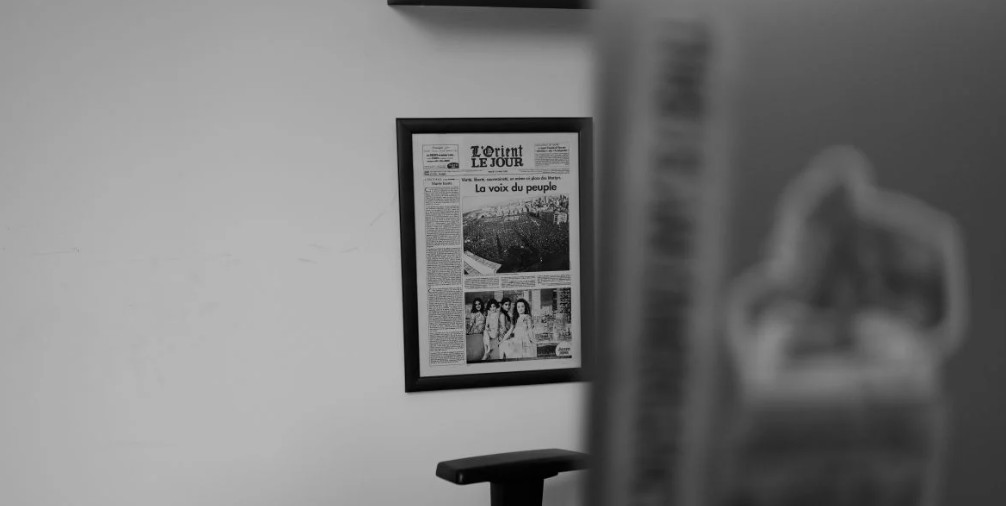
In environments where conventional social science tools like opinion polls and censuses are absent or impractical, journalists must rely on alternative qualitative methods to understand public opinion. In Lebanon, where an official national census has not been conducted since 1932 due to sectarian sensitivities, L’Orient‑Le Jour journalists have developed newsroom‑based practices to “take the city’s pulse” through direct observation, informal conversations, community immersion, and contextual interpretation rather than structured sampling techniques typical of quantitative survey research. This newsroom‑centric approach aligns with broader qualitative research methodologies that prioritize deep contextual insight over standardized metrics. The article...
Training Journalists for a World That Keeps Changing: A Research‑Focused Review
As journalism grapples with profound industry upheaval, educators and trainers are rethinking how to prepare reporters and editors for a landscape defined by rapid technological innovation, declining public trust, and a fundamentally altered business model. According to a recent Journalism.co.uk analysis, traditional newsroom craft no longer suffices; instead, journalists must develop a broader and more adaptable skill set to thrive in a world where digital platforms, social media, and emerging technologies dominate news consumption and production. The article highlights voices from institutions like CNN Academy, which has shifted its curriculum to emphasize digital-native storytelling, audience‑first...
Rethinking Humanitarian Journalism: Toward More Ethical, Impact‑Driven Reporting
Humanitarian journalism—reporting that seeks not only to inform but also to illuminate urgent human suffering—has gained prominence as crises worldwide, from wars to climate disasters, demand sustained attention. In a recent analysis, media scholars and practitioners argue that while the intent behind humanitarian journalism is noble, its practice often falls short of ethical, contextual, and impact‑oriented ideals, raising important questions about how the field might evolve to better serve affected communities and audiences. At its core, humanitarian journalism attempts to bridge traditional reporting with advocacy for vulnerable populations. It emerged in response to widespread criticism...
RSF Releases Drone Safety Guide for Journalists Reporting in Ukraine
Reporters Without Borders has published a new safety guide for journalists working in Ukraine, warning that Russian kamikaze drones have become one of the most serious and rapidly evolving threats facing reporters covering the war. The guidance reflects growing concern over how frontline journalism is being reshaped by increasingly precise and deadly aerial attacks. According to RSF, small unmanned aerial vehicles operated in real time by Russian forces are making some frontline areas nearly impossible to cover safely. The organization said these attacks have forced many journalists to work farther from the front and have...
Russian Influence Networks in the Sahel and the New Frontline Against Journalism
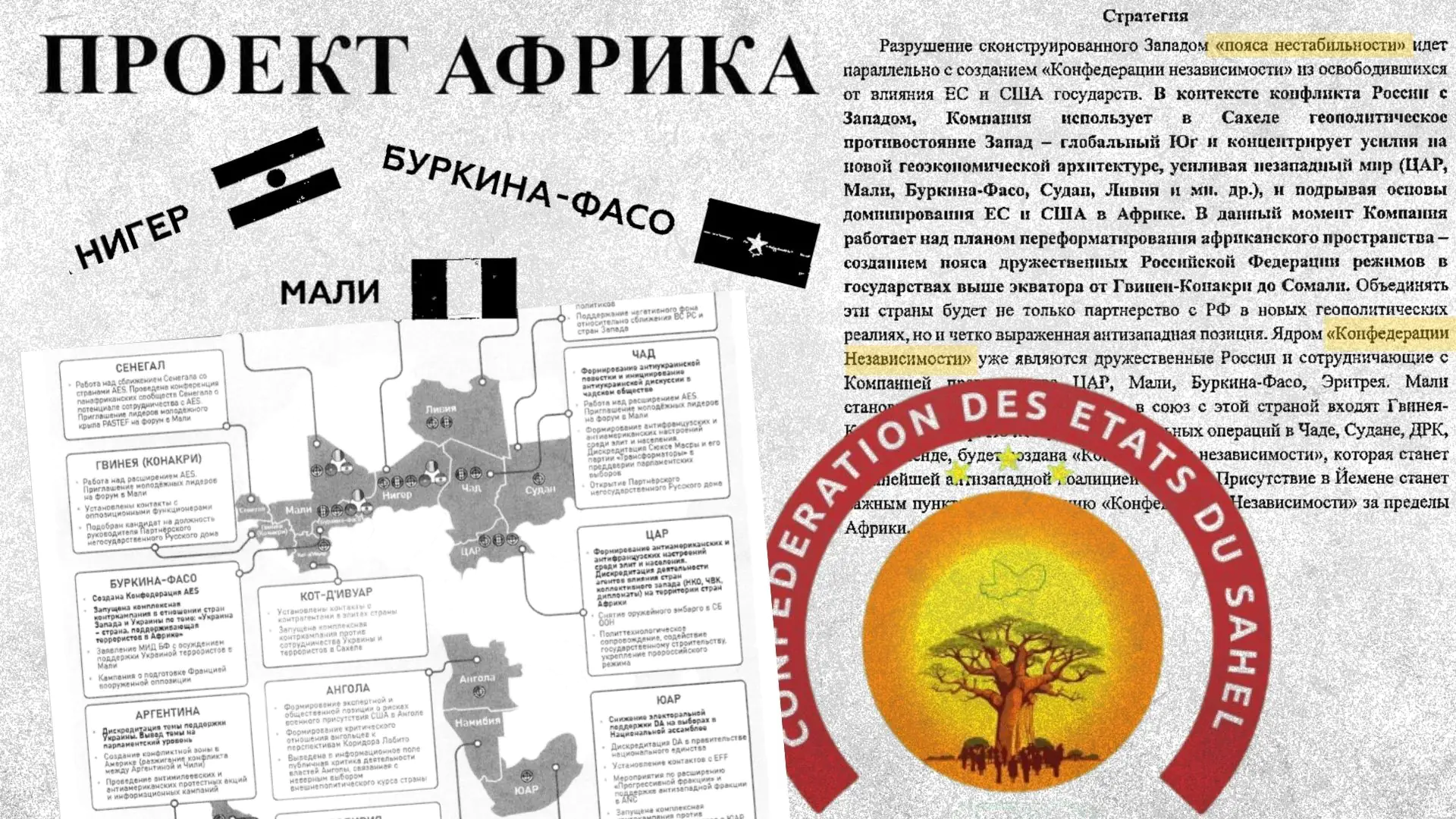
A new cross-border investigation by Forbidden Stories has exposed the depth of Russian influence operations across the Sahel, revealing how journalists, activists, and civil society organizations have increasingly become targets in a wider campaign to reshape political narratives, weaken democratic space, and consolidate pro-Moscow influence in West Africa. The findings offer a stark illustration of how information warfare is now intersecting directly with press freedom and civic life in one of the world’s most politically fragile regions. According to the investigation, a network internally referred to as “The Company” has been working to cultivate influence...
Environmental Journalists Navigate Rising Risks in a Changing Media Landscape
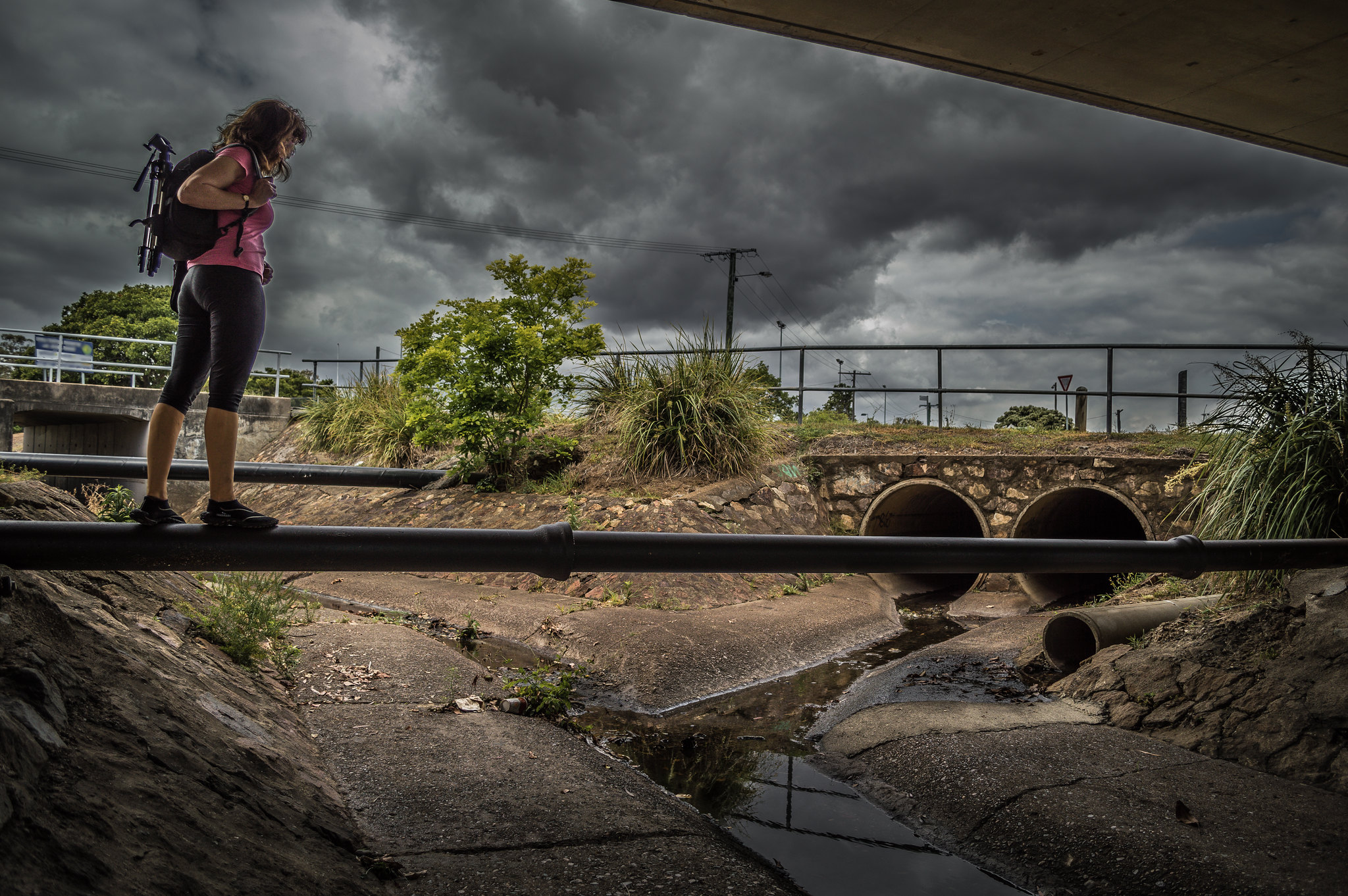
Environmental journalism is entering an increasingly challenging period marked by political pressure, economic instability, safety concerns, and technological threats, according to a research-style analysis published by the Society of Environmental Journalists (SEJ). The study examines how reporters covering environmental issues are adapting to growing professional risks while developing strategies to sustain their work. The report describes environmental journalism as operating in a “perilous era,” where journalists must navigate both traditional reporting hazards and emerging threats linked to political polarization, digital surveillance, and shrinking news resources. In recent years, attacks against environmental journalists—including physical, legal, and...
Press Freedom Violations in the Middle East During the Iran War
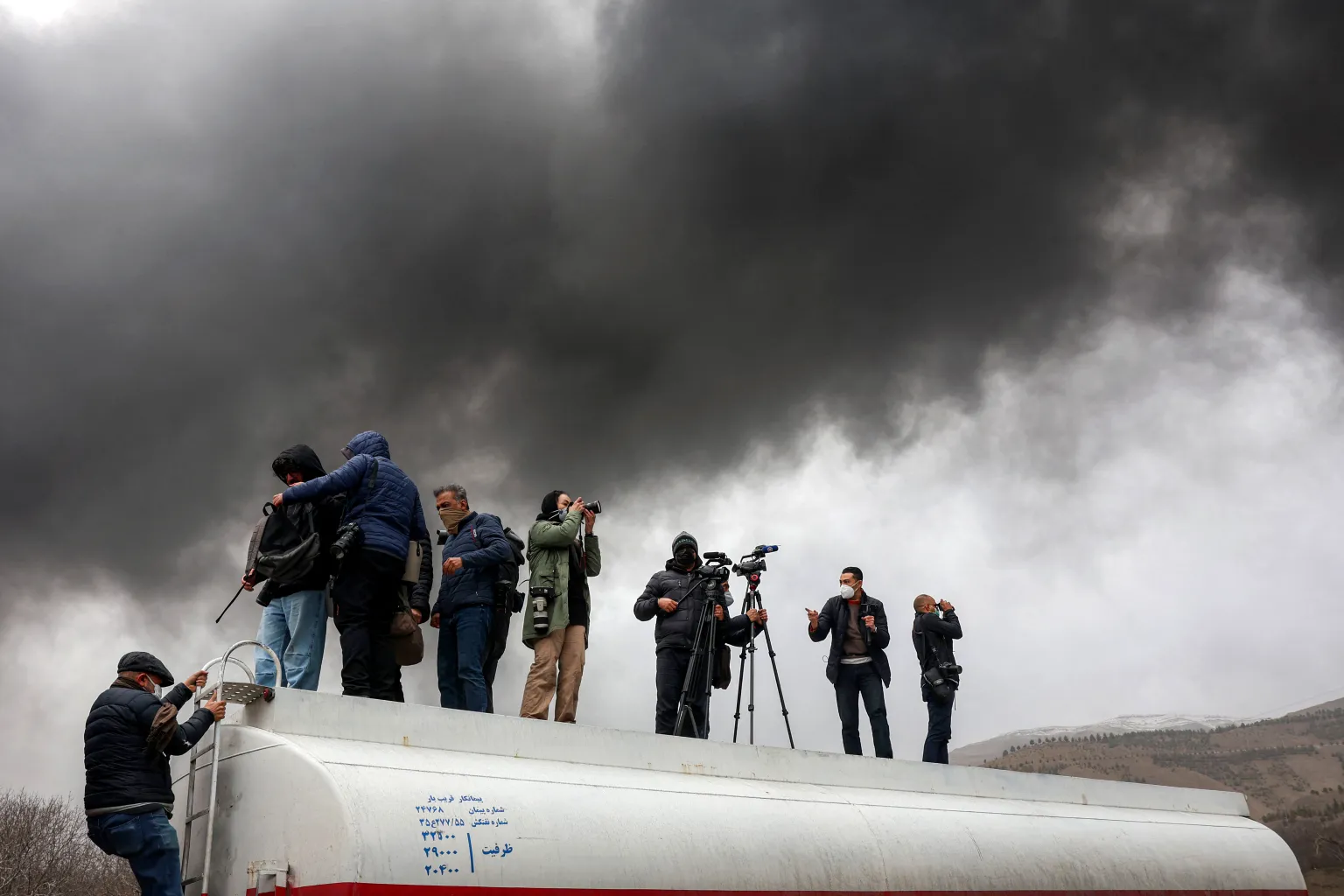
A report by the Committee to Protect Journalists (CPJ) documents a surge of press freedom violations across the Middle East during the recent conflict involving Iran, highlighting censorship, arrests, and restrictions that limited journalists’ ability to report on the war. The study notes that governments across the region imposed new controls on information flows while journalists faced intimidation and physical risks covering military developments. According to CPJ, authorities in Iran significantly tightened restrictions on media coverage as the conflict intensified. Journalists were warned not to publish commentary about the war on social media, while government...
Press Freedom Under Pressure: Findings from the 2025 International Mission to Türkiye
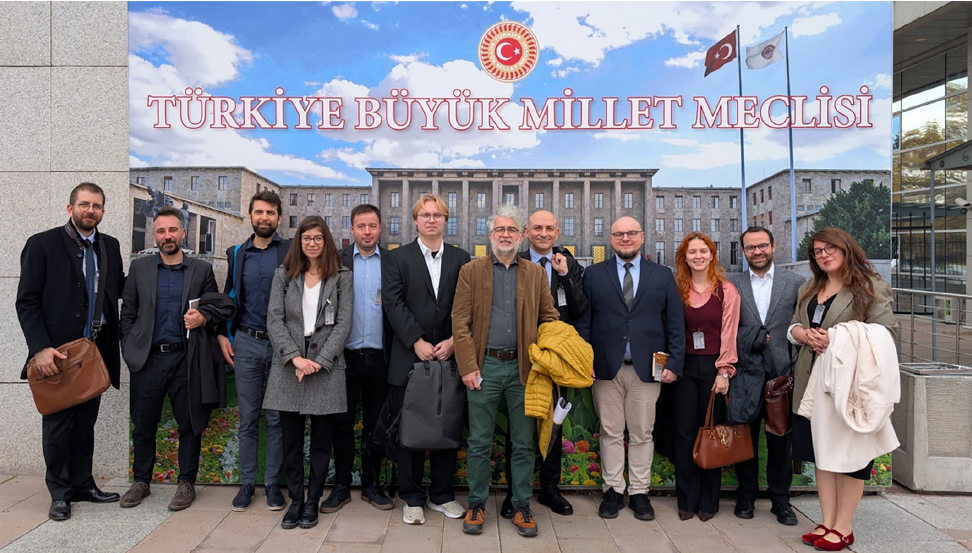
A research report published by ARTICLE 19 and partner press freedom organizations examines the state of journalism in Türkiye following a joint international fact-finding mission conducted in Ankara from 24 to 26 November 2025. The report evaluates legal, political, and structural challenges facing independent media. It concludes that the country’s press environment is experiencing a significant deterioration marked by judicial harassment, regulatory pressure, and censorship. The mission was organized by the International Press Institute (IPI) as part of the Media Freedom Rapid Response (MFRR) mechanism. It included participation from ARTICLE 19 Europe, Amnesty International, the...
Historical Evolution of Journalism in Latin America
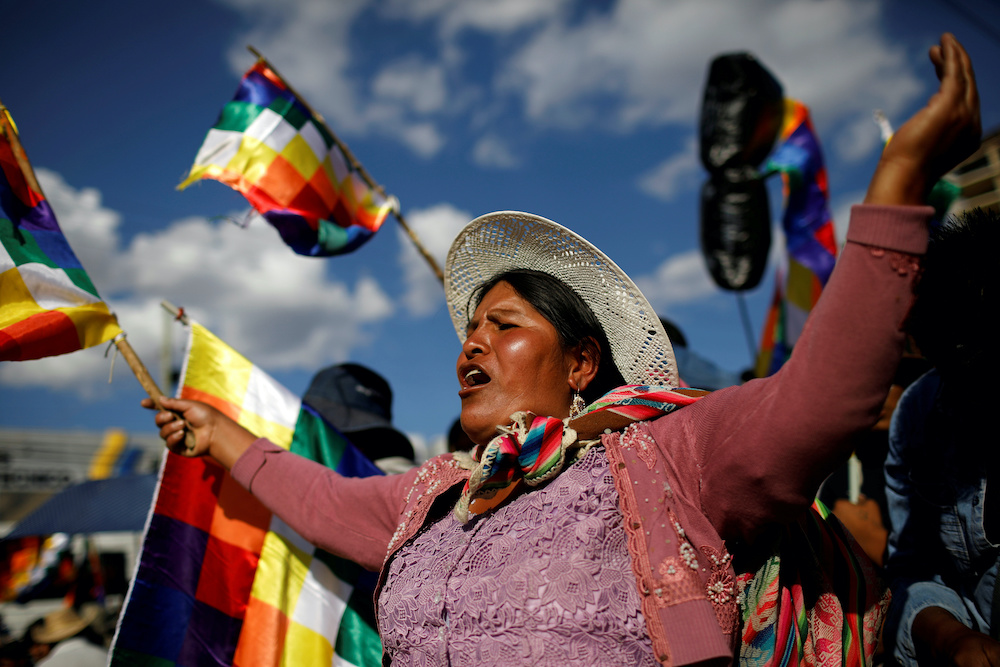
Journalism in Latin America has evolved through a complex historical trajectory shaped by colonial power structures, political upheavals, and cultural transformations. A review published by Harvard’s ReVista examines these historical processes, tracing the roots of journalism in the region from pre-colonial communication systems to modern media institutions and highlighting how journalism became intertwined with political change and public discourse. The study begins by identifying early forms of communication in pre-Columbian societies, which functioned as proto-journalistic systems for recording events and transmitting information. Indigenous civilizations such as the Maya and Inca developed sophisticated communication methods, including...
IPI Report Warns of Growing Hostility Toward Journalism Across Europe
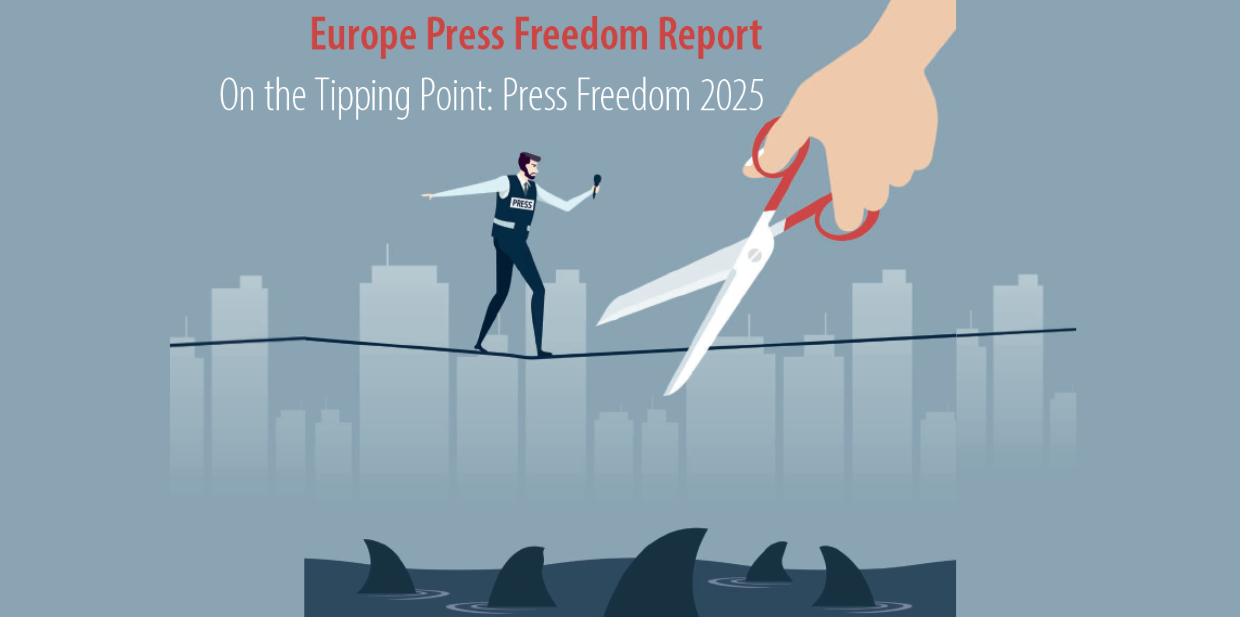
A new research report published by the International Press Institute (IPI) and partners from the Media Freedom Rapid Response (MFRR) network warns that journalists across Europe are facing an increasingly hostile environment marked by legal intimidation, political pressure, and growing threats to their safety. The study examines developments affecting press freedom across European Union member states and candidate countries, highlighting a worrying deterioration in the conditions under which journalists operate. The report finds that media workers across the region are encountering a broad range of threats, including physical attacks, harassment, intimidation, and attempts to control...
Global Killings of Journalists in 2025 IFJ Research Report on Violence and Impunity
The International Federation of Journalists (IFJ) “Killed List 2025” research report offers a comprehensive and systematic account of journalists and media workers killed worldwide in 2025, underscoring the severe risks faced by the profession and the ongoing failure of authorities to protect those reporting on conflict, crime, and public affairs. This 37-page annual publication by the IFJ — the world’s largest journalists’ organisation — documents patterns of lethal violence against the press and categorises deaths according to strict verification criteria. Drawing on years of longitudinal data collection and collaboration with affiliate unions, the report records...
Exiled Syrian Journalists Weigh Risks and Roles in Returning Home
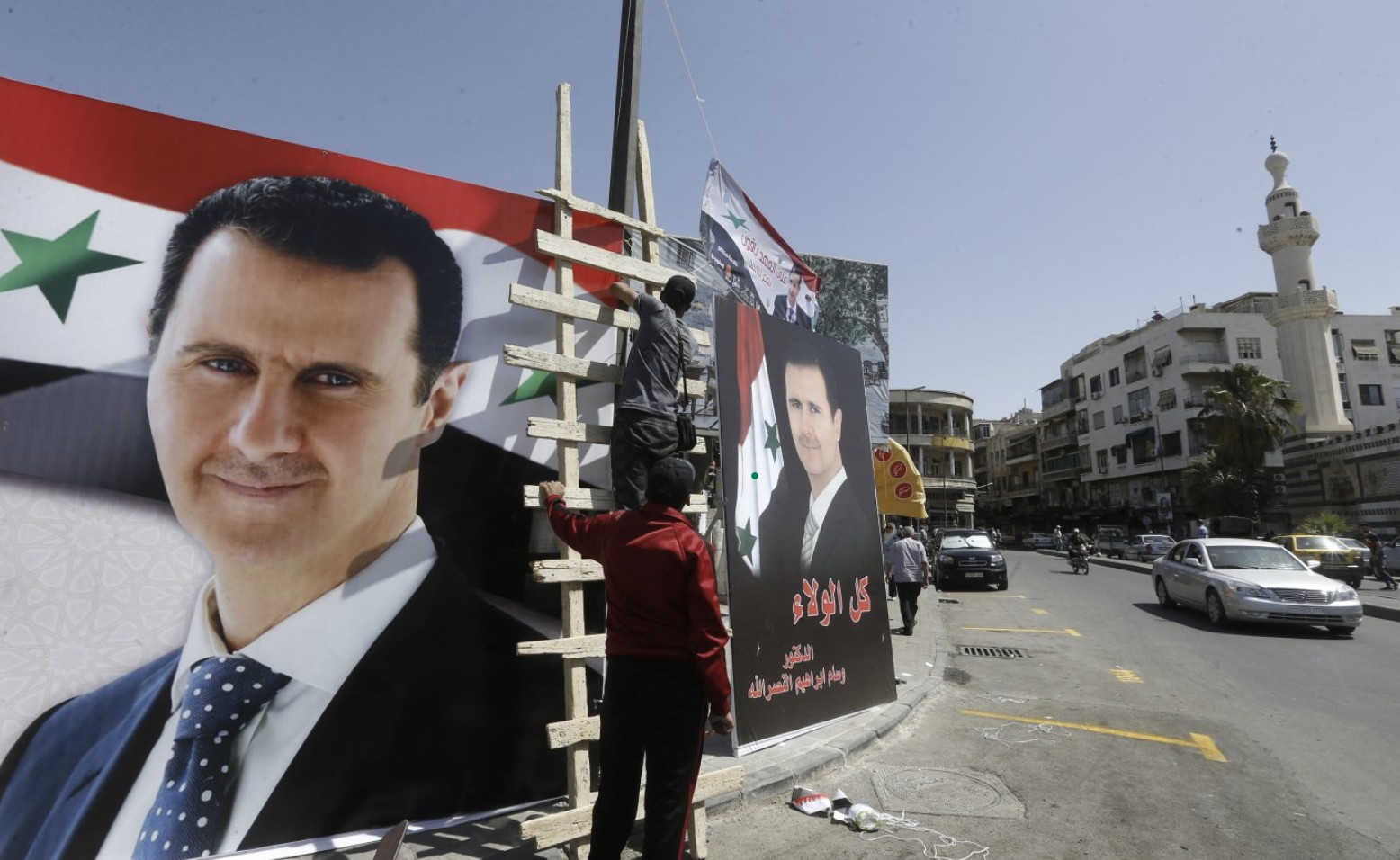
A new Reuters Institute for the Study of Journalism (RISJ) Fellow Paper by Syrian journalist Asmaa al-Omar examines the complex challenges faced by exiled journalists considering a return to post-war Syria, unpacking how professional identity, safety, and political context intersect for media practitioners shaped by decades of conflict and displacement. The research, titled “After Assad: roles and risks for exiled journalists navigating return to Syria,” builds on Al-Omar’s own career reporting on human rights, migration, and conflict in the Middle East. Al-Omar frames her study around the experiences of Syrian journalists who fled the country...
Record Press Deaths in 2025 The Global Toll and Patterns of Violence Against Journalists
The Committee to Protect Journalists (CPJ) has published a comprehensive analysis showing that 2025 was the deadliest year on record for journalists and media workers, with 129 press members killed worldwide—more than in any year since CPJ began systematic documentation in 1992. The deaths marked a second consecutive annual increase, highlighting an intensification of lethal risks faced by journalists globally. CPJ’s research reveals a striking concentration of violence in conflict zones, with over three-quarters of all fatalities occurring amid armed confrontations. The report identifies the Afghanistan-Ukraine-Sudan and Middle East theatres as key arenas where journalists...
Journalism’s Hidden Crisis The Precarious Reality Behind the Headlines
A recent research-oriented article published by the Al Jazeera Journalism Review explores an overlooked dimension of the media profession: the systemic fragility and internal taboos that inhibit journalists from critiquing their own industry. Drawing on interviews and firsthand observations, author Diana López Zuleta argues that while journalists are trained to expose abuses of power externally, they seldom confront the precarious working conditions and economic insecurity within media organisations themselves. This silence, she contends, has profound implications for the future of journalism and its capacity to serve the public interest. At the core of the analysis...
Journalism in Ukraine Four Years Into Full-Scale Invasion: A Research Perspective
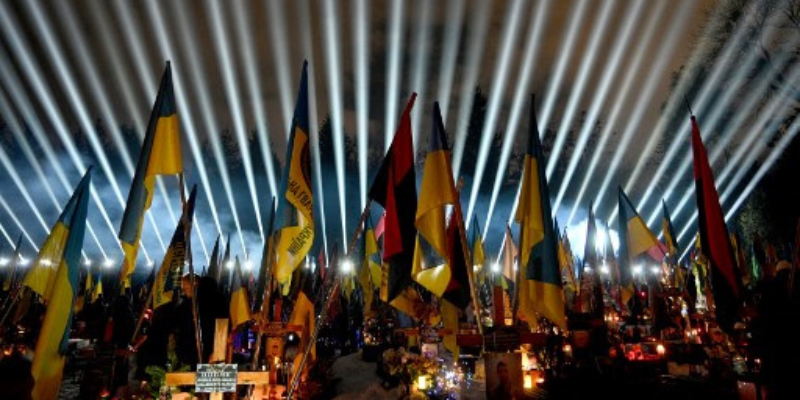
Four years after Russia’s full-scale military invasion of Ukraine began in February 2022, reporting in and about the conflict remains an exceptionally hazardous profession, sustained by evolving front-line risks, deliberate targeting of media infrastructure and personnel, and shifting patterns of violence that redefine press safety norms in modern warfare. A February 2026 monitoring report published by the European Federation of Journalists (EFJ) and partner organisations provides a detailed analysis of these conditions, documenting both the scale of threats and the adaptive strategies journalists have used to continue independent reporting in an active war zone. Scale...
Online Violence Targeting Female Journalists and Strategies for Protection
Online harassment and gender-based digital violence have emerged as a pervasive threat to women journalists’ safety, professional autonomy, and freedom of expression across global media ecosystems. A growing body of research and advocacy highlights the scale, forms, and consequences of such abuse, with key institutional responses seeking to understand and counteract its impact on press freedom. Scale and Forms of Online ViolenceStudies and global surveys reveal that digital platforms have become major arenas for targeting female journalists with abuse, including coordinated harassment, doxing, death and rape threats, and sexually violent content. A UNESCO-ICFJ global survey...
Press Freedom in 2026: Five Global Trends Journalists Must Watch
A research-oriented review of press freedom conditions for 2026 identifies five major structural trends that are reshaping the global journalism landscape, reflecting converging legal, economic, technological, security, and societal pressures on media freedom. This analysis draws on the 2025 World Press Freedom Index and verified developments from late 2025 into early 2026, underscoring how challenges to independent reporting are becoming more interconnected and complex. Expanding Legal and Regulatory PressuresGovernments globally are broadening legal and regulatory frameworks that affect journalism beyond traditional censorship. New digital laws, cybersecurity regulations, licensing requirements, and expanded enforcement powers — often...
European Press Freedom Monitoring Report 2025: Scope, Trends, and Risks
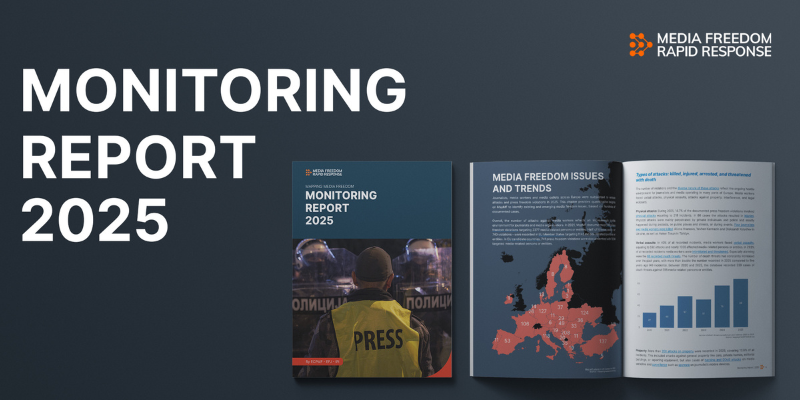
A comprehensive review of press freedom conditions across Europe in 2025 reveals persistent and widespread threats to journalists and media outlets in both European Union (EU) Member States and candidate countries. The 2025 Monitoring Report issued by the Media Freedom Rapid Response (MFRR) partners documents 1,481 verified press freedom violations affecting 2,377 journalists and media-related entities across 36 countries from January through December 2025. These figures reflect ongoing structural challenges to media independence and safety throughout the continent. The report, compiled by the European Centre for Press and Media Freedom (ECPMF), the European Federation of...
Press Freedom in Turkey 2025 In Review: A Research Overview
A comprehensive assessment of media freedoms in Türkiye for 2025 reflects a sustained deterioration of press independence, legal autonomy, and safety conditions for journalists, culminating in one of the most repressive media environments among European and candidate countries. Multiple monitoring reports show that authorities continued to leverage criminal prosecutions, judicial harassment, censorship, regulatory pressure, and digital controls to curb independent reporting and dissenting perspectives throughout the year. One of the defining features of 2025 was the frequency and scope of arrests and legal actions taken against journalists across the country. According to data compiled by...
Systematic Abuse and Torture in Israeli Detention Revealed by CPJ Research
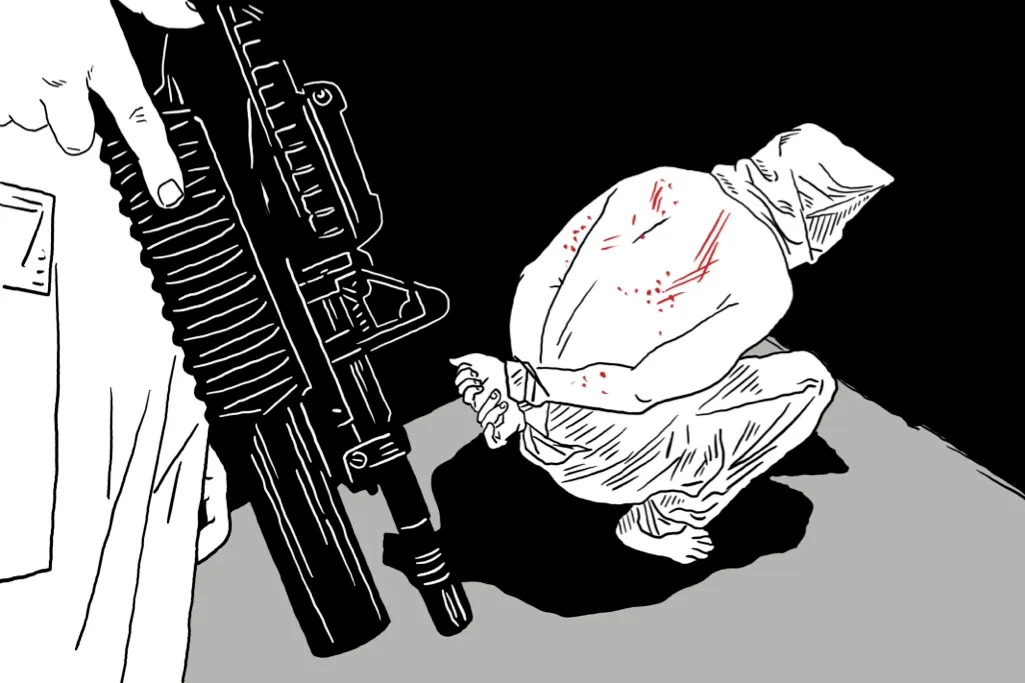
A Committee to Protect Journalists (CPJ) special report published on February 19, 2026, documents extensive allegations of torture, abuse, and mistreatment experienced by Palestinian journalists while held in Israeli custody since the outbreak of the Israel-Gaza conflict in October 2023. The investigation draws on detailed interviews with 59 Palestinian journalists who were released from detention and adds to mounting international concern over the treatment of media workers imprisoned amid the region’s prolonged hostilities. The report, titled We returned from hell, reveals that 58 out of the 59 journalists interviewed described suffering severe physical and psychological...
Russia’s Repression Record: A Research Analysis of Press Freedom Erosion
This research article examines the comprehensive 2026 analysis published by the Committee to Protect Journalists (CPJ) documenting the systematic repression of independent media in the Russian Federation. Drawing on legal frameworks, case studies, and quantitative trends, the report highlights how state institutions and allied actors have dismantled press freedoms through legislative manipulation, intimidation, and punitive measures that undermine the basic functions of journalism. Background and Legal Framework Russia’s Constitution formally guarantees freedom of speech and press; however, successive legal amendments and bureaucratic regulations introduced in the past decade — including broad “foreign agent” laws, anti-extremism...
Methodological Approaches in Investigative Journalism and Their Impact on Quality
Investigative journalism occupies a central place in democratic societies by uncovering wrongdoing, holding power to account, and informing public debate with deeply researched evidence. The Al Jazeera Centre for Studies’ recent analytical review examines methodological frameworks used in investigative reporting, evaluates their impact on story quality, and explores how these approaches shape trust, public impact, and ethical standards in journalism globally. Conceptualising Investigative MethodologiesInvestigative journalism is distinguished by its depth, duration, and emphasis on verification beyond surface reporting. The core methodological approaches include longitudinal research, source triangulation, data analysis, fieldwork, and cross-referencing documentary evidence. Each...