Family Appeals for Safe Return of Scottish Academic Detained During Gaza Aid Mission
May 19, 2026
UK and Finland Condemn Israeli Attacks on Journalists in Lebanon
May 20, 2026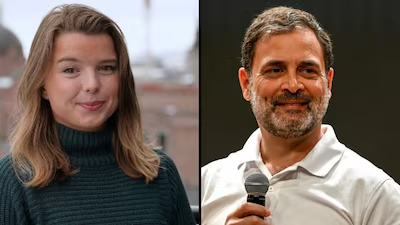
May 20, 2026 – Norway –
Norwegian journalist Helle Lyng has claimed that her Instagram and Facebook accounts were suspended shortly after she publicly questioned Indian Prime Minister Narendra Modi during his visit to Norway, intensifying an already heated debate over press freedom, media access, and political reactions surrounding the incident.
Lyng said on X that she struggled for hours to access her Instagram account before discovering that both her Instagram and Facebook profiles had been suspended. Describing the situation as “a small price to pay for press freedom,” she added that she had never experienced anything similar before and hoped Meta would restore her accounts soon. She also said the suspensions delayed her ability to respond to the many Indians attempting to contact her online.
The controversy began during a joint appearance by Modi and Norwegian Prime Minister Jonas Gahr Støre in Oslo. As the Indian leader left the venue, Lyng called out a question asking why he did not take questions from what she described as “the freest press in the world.” Videos of the exchange quickly spread online and triggered strong reactions across political and media circles.
Following the incident, Lyng reportedly faced accusations on social media, including claims that she was acting as a spy, allegations she denied. Indian officials defended the country’s democratic and media environment, arguing that foreign critics often misunderstand the scale and complexity of India.
The episode also entered India’s political debate after Congress leader Rahul Gandhi shared a video of the interaction and criticized Modi for avoiding questions from journalists. Lyng later reached out to Gandhi on social media, requesting a phone interview to discuss the Norwegian visit and the broader discussion surrounding press freedom, democracy, and political accountability.
During later press briefings, India’s Ministry of External Affairs rejected criticism linked to the exchange and maintained that the country remained a strong democracy with a media landscape. Supporters of the government argued that international commentary on India often relied on incomplete information, while critics said the confrontation highlighted concerns about transparency and interactions between political leaders and journalists.
Reference –