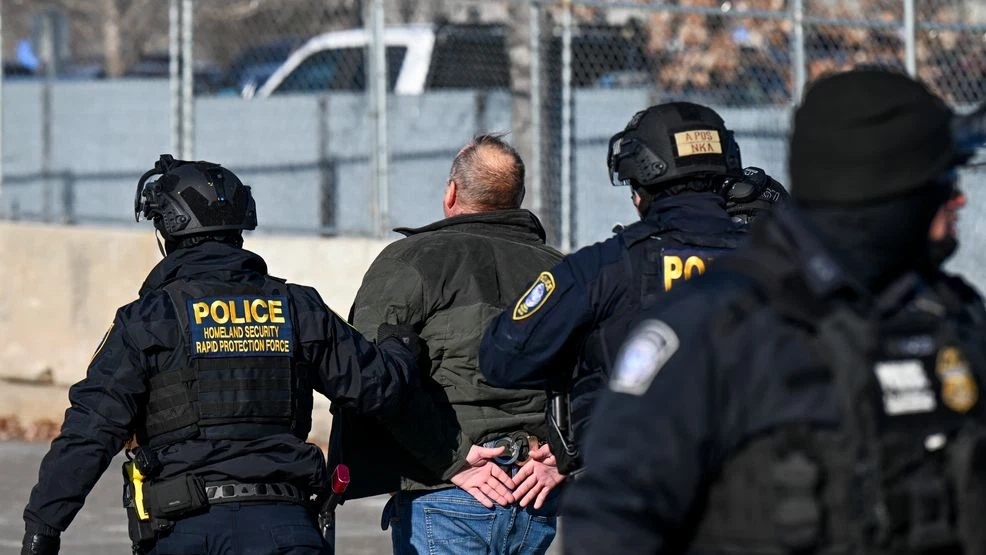
DOJ Opens Probe After Journalist Assault at Minneapolis Anti-ICE Protest
April 13, 2026
The Daily Sentinel: A Local Newspaper Rooted in Community Reporting
April 13, 2026
April 13, 2026 – USA –
Concerns over press freedom in the United States have intensified as journalists, media analysts, and advocacy groups warn that actions and rhetoric during Donald Trump’s second presidential term are contributing to a more hostile environment for independent reporting.
Criticism has centred on what observers describe as an escalation from verbal attacks on the press to more concrete measures that could affect media operations. Free speech advocates have pointed to threats of regulatory action against broadcasters accused of producing “biased” or “distorted” coverage, particularly in the context of reporting on the Iran conflict. These developments, they argue, risk blurring the line between political criticism and institutional pressure.
Media rights organisations have gone further, characterising the administration’s approach as systematic. Reporters Without Borders has described Trump as a “press freedom predator,” alleging that his administration has sought to punish, investigate, and weaken independent journalism through a combination of legal, political, and rhetorical strategies. Such assessments have amplified concerns that press freedom norms in the U.S. are undergoing significant strain.
Legal experts have also raised alarms about the broader trajectory of media policy under the current administration. Commentary from media law analysts suggests that a second Trump term could involve expanded use of legal tools, including national security laws, to pursue leakers and potentially journalists, raising fears of a chilling effect on investigative reporting.
The climate has been further shaped by high-profile controversies involving media content and political messaging. A widely criticised social media post depicting Trump in a religious context was removed following backlash, highlighting ongoing tensions between political communication and public response. Meanwhile, separate reports have indicated growing unease among journalists about the tone of engagement between the administration and the press, including suggestions of legal threats and punitive measures against critical coverage.
Analysts note that such dynamics may influence newsroom behaviour, with some reports suggesting that media organisations and journalists could feel pressure to moderate coverage in response to political hostility.
While supporters of the administration argue that criticism of the media reflects concerns over bias and accountability, critics warn that the cumulative effect of these actions risks undermining democratic safeguards and weakening the role of a free press.
The debate continues to unfold as journalists and advocacy groups call for stronger protections to ensure that media organisations can operate without fear of retaliation or interference.
Reference –
Continued threats against journalists by the Trump administration draws criticism
Trump’s Truth Social posts are driving the news cycle — and raising alarms