
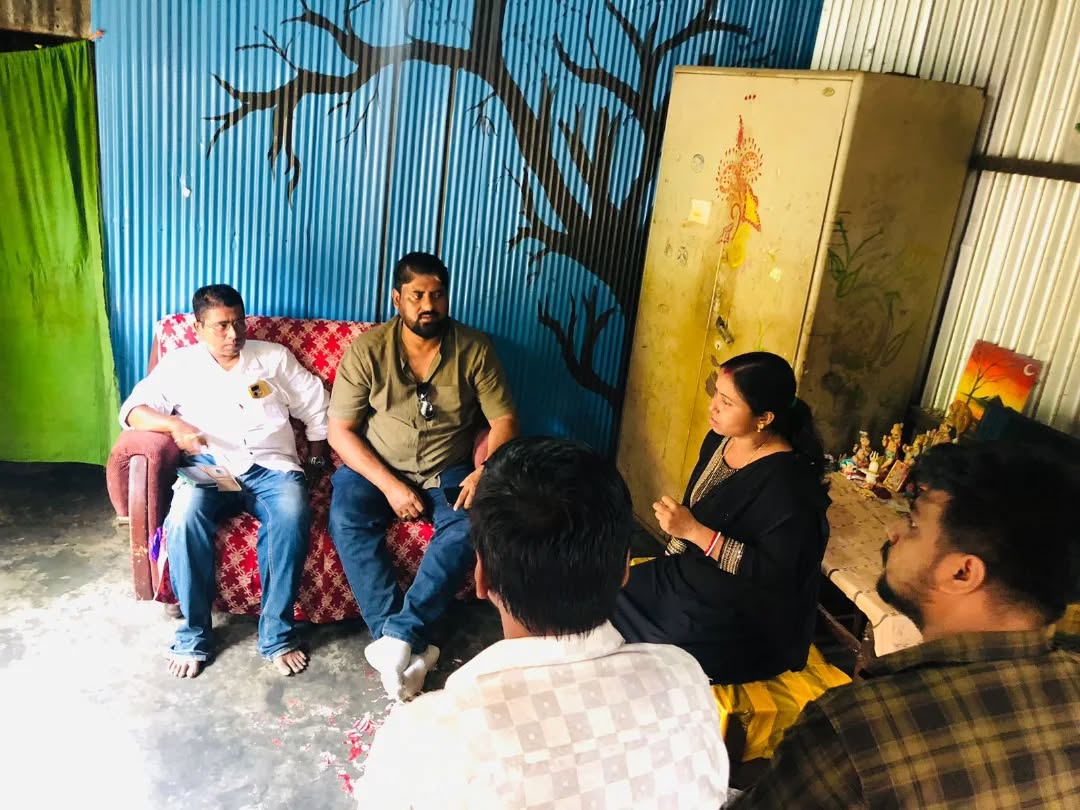
Woman Journalist Attacked in Agartala, Press Bodies Demand Urgent Action and Protection
May 13, 2026
Oxford Professor Amal Clooney Helps Secure Legal Victory for Journalist Maria Ressa Case
May 13, 2026
May 13, 2026 – Nigeria –
A recent opinion piece examines the changing role of journalists in Nigeria’s fast-evolving media environment, arguing that journalism must remain grounded in context, responsibility, and human judgment rather than being reduced to mechanical output driven by speed or technology. The discussion highlights growing concerns about how modern pressures, including digital platforms and artificial intelligence, are reshaping reporting practices and public expectations.
The article explains that journalism is increasingly being influenced by demands for rapid publication and constant online engagement. While these developments have expanded access to information, they have also created risks where reporting may become detached from verification, nuance, and ethical reflection. The piece stresses that journalists are not passive information distributors but active interpreters of events who must provide clarity, context, and accountability.
It further argues that treating journalists as “machines” undermines the core purpose of the profession. Unlike automated systems, journalists are expected to apply critical thinking, assess credibility, and consider the social consequences of their reporting. The article suggests that these responsibilities are especially important in an era where misinformation and algorithm-driven content can spread rapidly across digital platforms, weakening public trust in media institutions.
The discussion also situates these challenges within broader structural issues in Nigerian journalism, including limited newsroom resources, uneven access to training, and the growing influence of digital tools in news production. While technology can enhance efficiency and widen reach, the article emphasizes that it should not replace editorial judgment or ethical standards.
A key theme of the piece is the need to reclaim the “voice” of journalism, ensuring that reporters maintain independence and interpretive authority in how stories are told. It argues that context is essential to responsible reporting, particularly in a media environment where fragmented information can easily distort public understanding.
Ultimately, the article calls for a balanced approach in which journalists embrace technological tools without losing sight of their professional responsibilities. It frames journalism as a human-centered practice that requires judgment, empathy, and accountability, reinforcing the idea that the credibility of the media depends on maintaining both ethical standards and contextual integrity in storytelling.
Reference –