
KRIS 6 Journalists Honored at Texas Broadcast News Awards for Excellence in Reporting
April 14, 2026
Gyawali Appointed as Editor of Ratopati.com in New Editorial Leadership Shift
April 14, 2026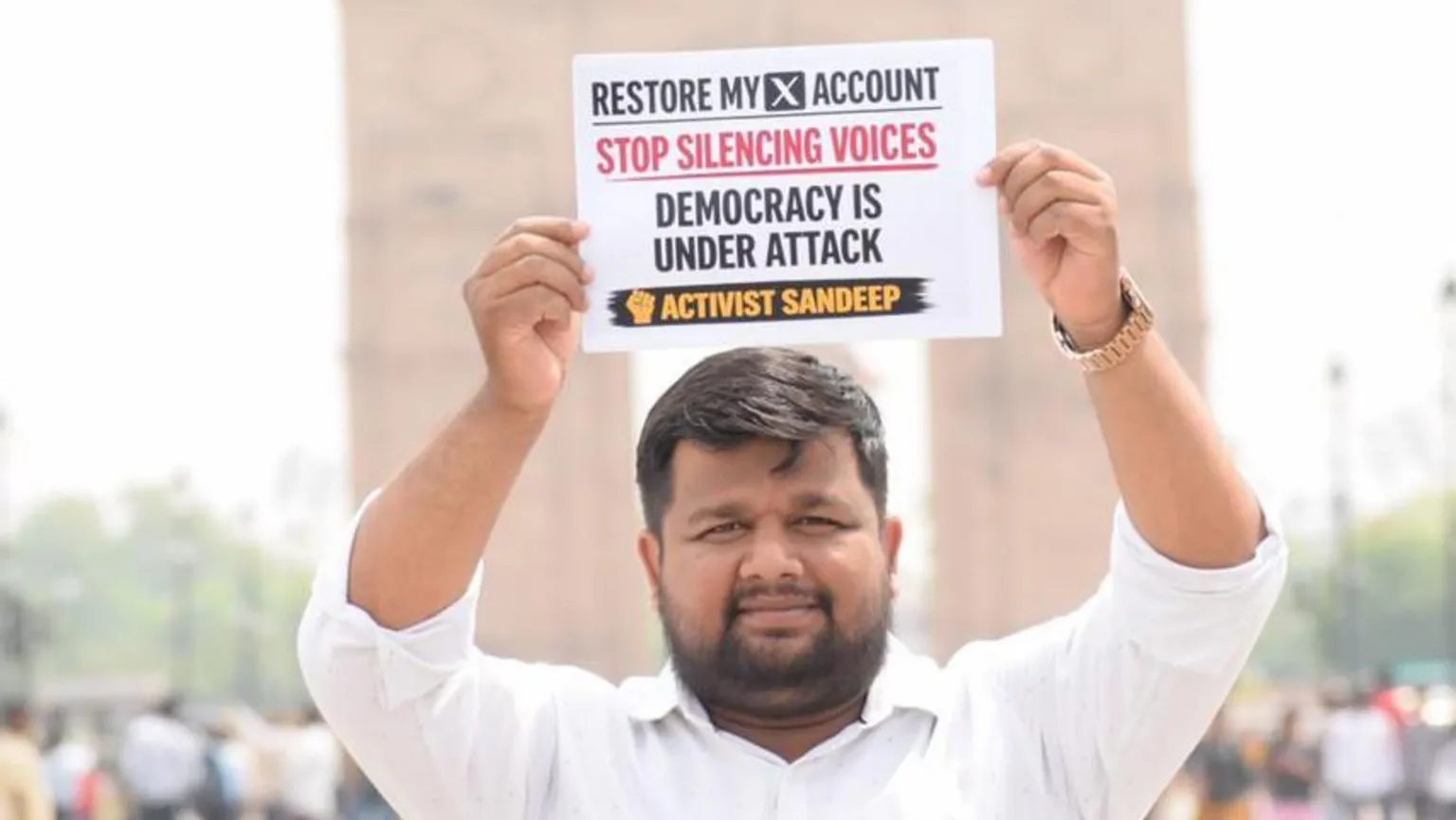
April 14, 2026 – India –
Proposed amendments to India’s Information Technology (Intermediary Guidelines and Digital Media Ethics Code) Rules, 2026, have triggered widespread concern among press freedom advocates, journalists, and digital rights groups, who warn that the changes could significantly expand state authority over online content and independent reporting.
At the centre of the controversy are provisions that critics say would give government agencies greater discretion to order the removal or modification of online material, including news reports and commentary published by independent journalists and digital creators. According to the Committee to Protect Journalists (CPJ), the draft framework risks enabling censorship by broadening executive control over digital media regulation without sufficient judicial oversight.
The proposed changes build on earlier iterations of India’s IT Rules that already brought online news publishers and social media platforms under a formal regulatory structure. Those rules introduced a multi-tier grievance system that can ultimately escalate complaints to government authorities empowered to order content takedowns, a mechanism critics have long argued creates a pathway for state-directed censorship.
Recent reporting and analysis from media outlets, including BBC News and Frontline, highlight growing concern that the 2026 amendments could extend regulatory oversight further into the digital ecosystem, particularly by covering user-generated “news and current affairs” content. This expansion, critics argue, risks bringing individual journalists, influencers, and small digital outlets under publisher-style compliance obligations.
Digital rights groups have also warned that tighter compliance requirements, combined with accelerated takedown timelines already introduced in earlier amendments, could intensify pressure on platforms to remove content quickly, often without meaningful review. In February 2026, India shortened takedown response windows for unlawful content to as little as three hours, a move critics say increases the likelihood of over-removal and self-censorship.
CPJ and other organisations have further pointed to the cumulative effect of India’s evolving digital governance framework, which they say increasingly relies on executive discretion to regulate speech online. Earlier regulatory proposals, including a broadcast services bill affecting digital creators, have also raised concerns about mandatory registration requirements and expanded oversight of independent commentary.
Industry stakeholders argue that the combined impact of these measures could reshape India’s digital public sphere by discouraging investigative journalism and increasing legal uncertainty for independent reporters. They warn that smaller outlets and individual journalists may be particularly vulnerable due to limited resources to comply with complex regulatory demands.
Government officials, however, maintain that the proposed rules are necessary to combat misinformation, deepfakes, and unlawful online content, and insist that safeguards exist within the legal framework to prevent abuse.
The debate continues as public consultations on the draft rules draw responses from media organisations, civil society groups, and technology companies, with calls growing for greater transparency and stronger protections for press freedom in the digital space.
Reference –
https://www.bbc.com/news/articles/ce9mx2j3xlxo
https://frontline.thehindu.com/the-nation/india-it-rules-free-speech-2026/article70846168.ece
Proposed Indian IT Rules grant government powers to censor independent journalists