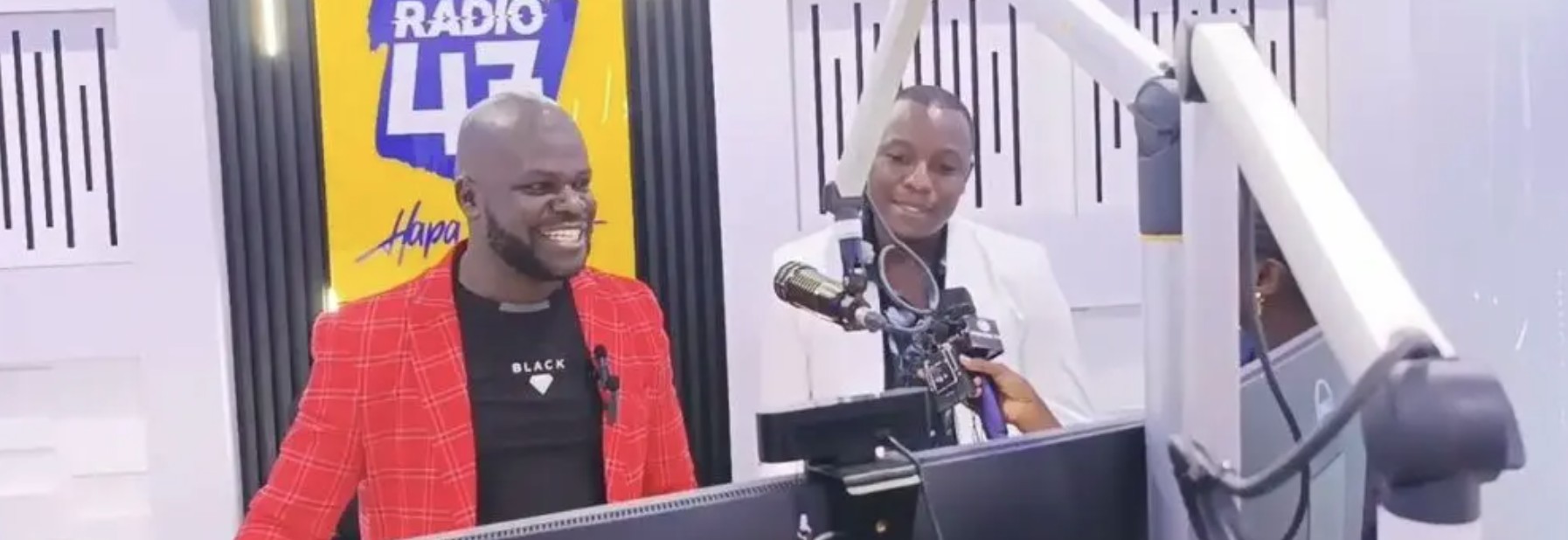
Kenyan Journalist Alleges Surveillance and Targeting Amid Claims of Cross-Border Pressure from Tanzania
April 13, 2026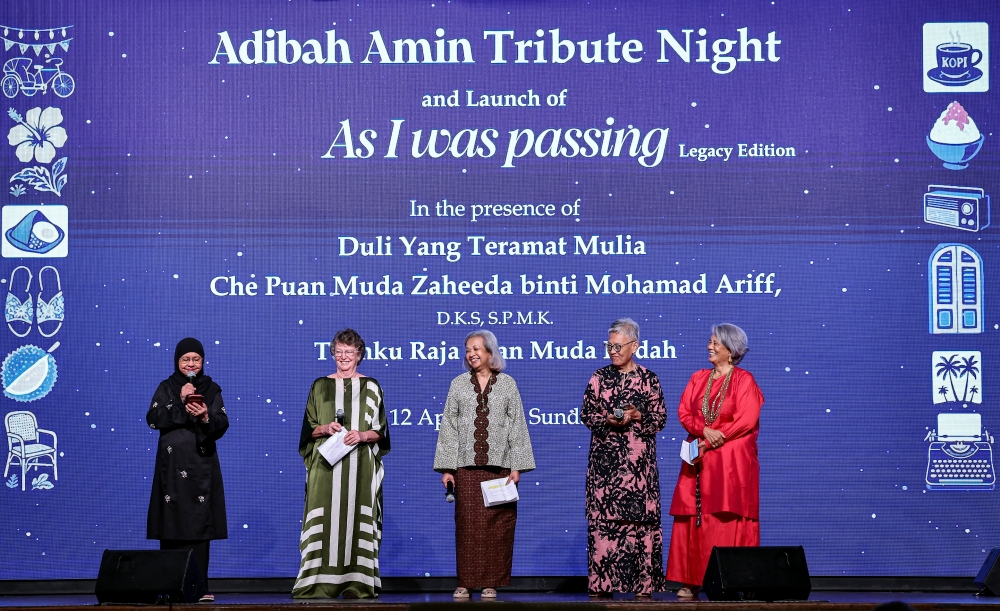
A Night of Tribute and Legacy Celebrates Malaysian Journalism Icon Adibah Amin
April 13, 2026
April 13, 2026 – India –
A coalition of leading journalist organisations in India has called on the central government to withdraw the draft Information Technology (Intermediary Guidelines and Digital Media Ethics Code) Second Amendment Rules, 2026, warning that the proposed framework could significantly undermine press freedom and freedom of expression.
The demand emerged from a joint meeting held at the Press Club of India in New Delhi, where representatives from six major bodies, including the Editors’ Guild of India and DIGIPUB, expressed alarm over what they described as a growing architecture of digital censorship.
At the centre of their concerns is the expansion of executive authority under the draft rules, particularly provisions that would allow government agencies broader discretion to block or remove online content. Journalists pointed to existing instances of arbitrary takedowns and shutdowns, arguing that the amendments would institutionalise such practices and further erode safeguards.
The organisations warned that the rules could disproportionately affect independent journalists, freelancers, and small digital creators. Many operate through platforms such as newsletters, podcasts, and video channels, and may struggle to meet the compliance requirements, which some have described as financially unsustainable. The resulting pressure, they cautioned, could lead to widespread self-censorship and a chilling effect on critical reporting.
In a series of resolutions, the groups urged the government to adhere strictly to procedural safeguards already established under Section 69A of the Information Technology Act, 2000, which governs content blocking. They also called for the rollback of provisions that enable content removal without transparency or accountability, including earlier rules that allow undisclosed blocking orders.
Further concerns were raised about the “Sahyog” portal, which the organisations claim operates without clear legislative backing, and about recent reductions in content takedown timelines, which critics argue leave little room for due process.
The coalition emphasised the need for meaningful consultation with media stakeholders before introducing regulations that affect constitutionally protected speech. They indicated plans to escalate their campaign by engaging lawmakers and building broader opposition to the draft rules.
The proposed amendments are currently open for public feedback, but media groups insist that a complete withdrawal, rather than revision, is necessary to protect democratic freedoms.
Reference –