

Future of News Debated in Perugia as Global Journalism Festival Highlights AI, Trust, and Press Freedom Challenges
April 18, 2026
Kurdish Press Day Commemoration Highlights Enduring Role of Media in Cultural Identity and Press Freedom
April 19, 2026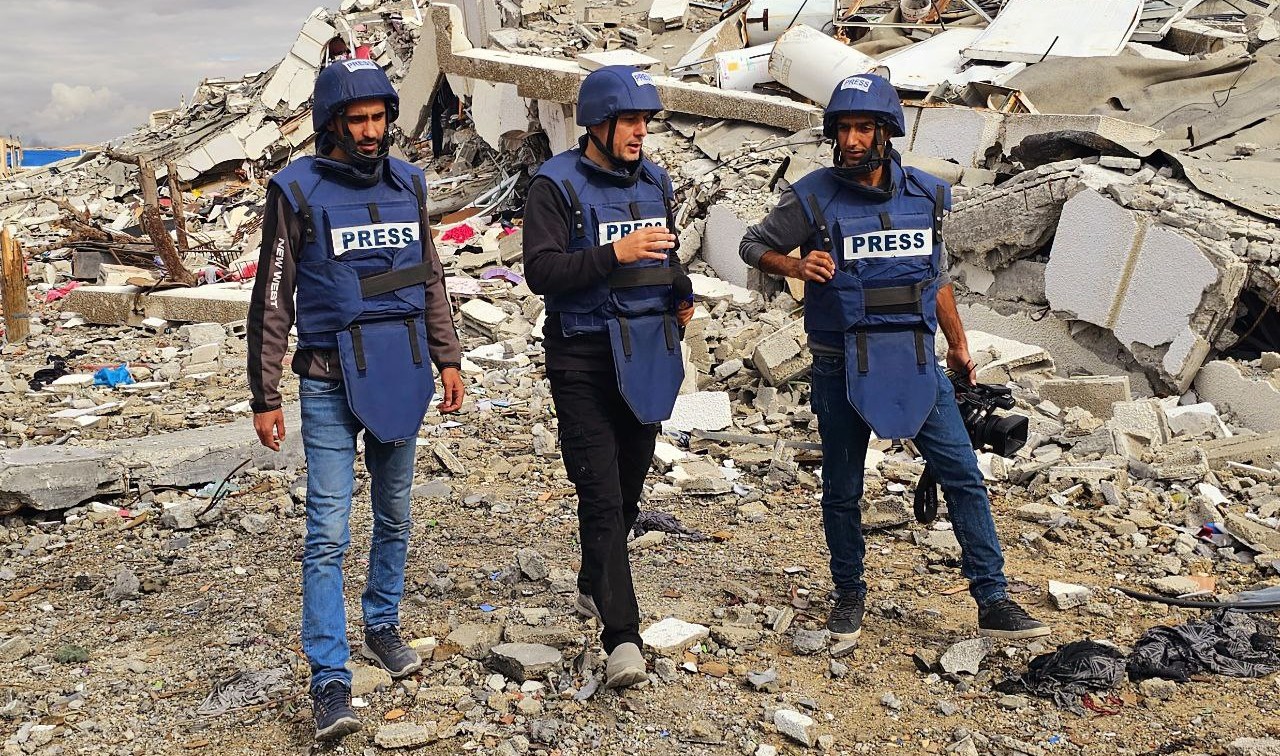
April 18, 2026 – Palestine –
A new generation of journalists in Gaza is emerging under extreme conditions, stepping into the role of frontline reporters despite limited experience and constant danger. As described in recent reporting by Al Jazeera, many of these young individuals are not formally trained but have taken on the responsibility of documenting life in a war zone where traditional media infrastructure has been severely damaged.
With foreign journalists largely unable to access Gaza, local reporters have become the primary source of information from the ground. These young journalists often operate with minimal equipment, unreliable internet, and no institutional backing, yet continue to produce coverage that reaches global audiences. Their work is not detached reporting but deeply personal, as they document the same violence and displacement they are experiencing themselves.
The risks they face are significant. Reporting frequently takes place amid ongoing air strikes, damaged infrastructure, and the constant threat of injury or death. Many journalists have lost colleagues, homes, and family members, yet continue their work. The psychological burden is compounded by the absence of safety, as there are few secure spaces to gather information or transmit reports.
Despite these challenges, resilience remains a defining characteristic of this new generation. Driven by a sense of responsibility to document events and share the realities of life in Gaza, they persist even without formal support systems. Their reporting often blends raw documentation with personal testimony, offering a perspective that is both immediate and deeply human.
Technology and social media have played a crucial role in enabling their work. With limited access to traditional broadcast tools, many rely on mobile phones and digital platforms to share updates, images, and video. This shift has allowed younger voices to bypass conventional media structures and directly engage international audiences, reshaping how stories from conflict zones are told.
Observers note that this transformation reflects a broader evolution in journalism under conflict conditions, where necessity drives innovation. In Gaza, reporting has become inseparable from survival, and storytelling itself is an act of endurance.
While the dangers remain ongoing, these emerging journalists continue to report, ensuring that events on the ground are not silenced. Their work underscores both the vulnerability and determination of a new generation committed to bearing witness, even in one of the most challenging environments for journalism in the world.
Reference –


