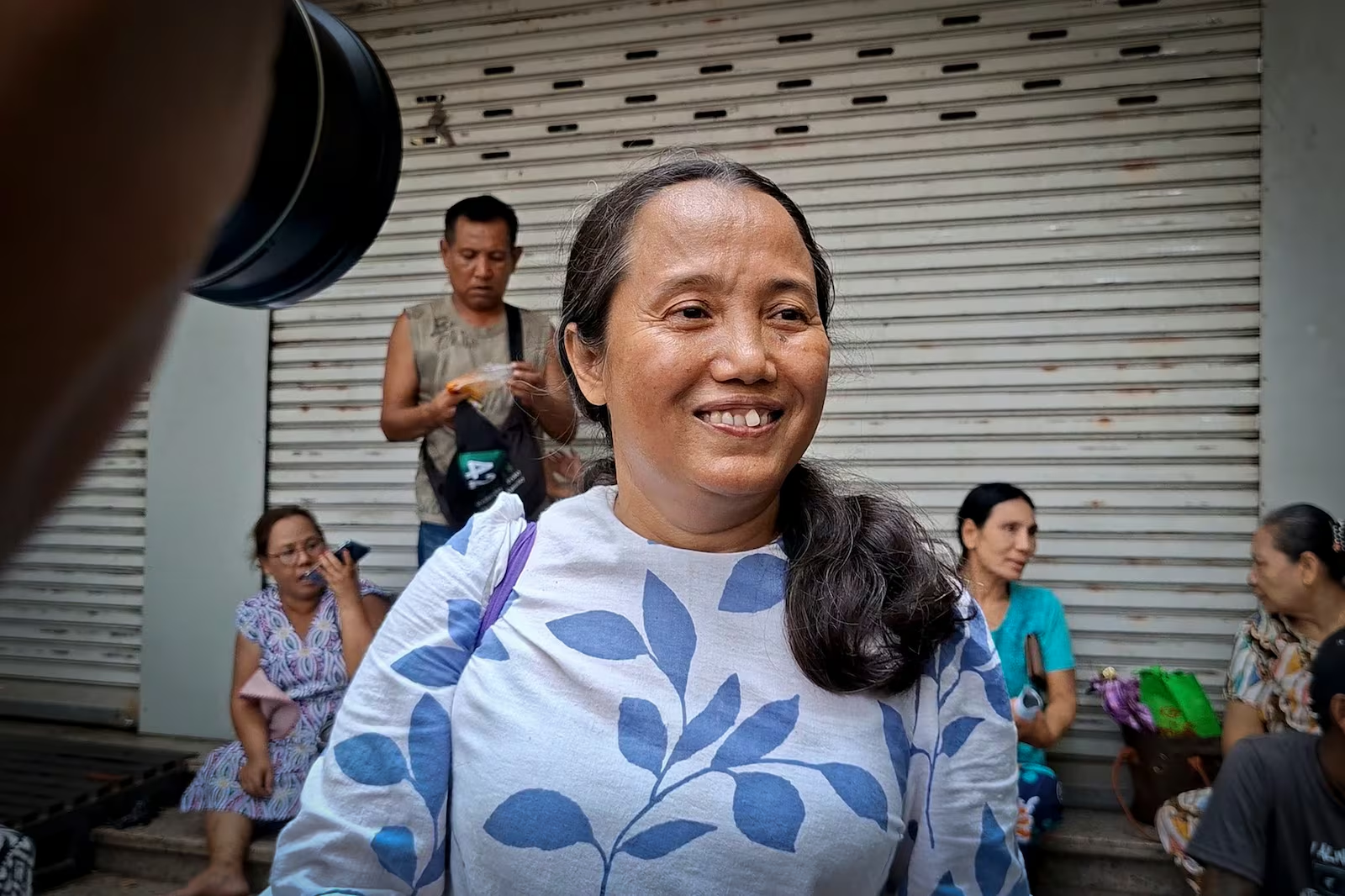
Myanmar Junta Releases Award-Winning Journalist Shin Daewe Amid Mass Prisoner Amnesty
April 18, 2026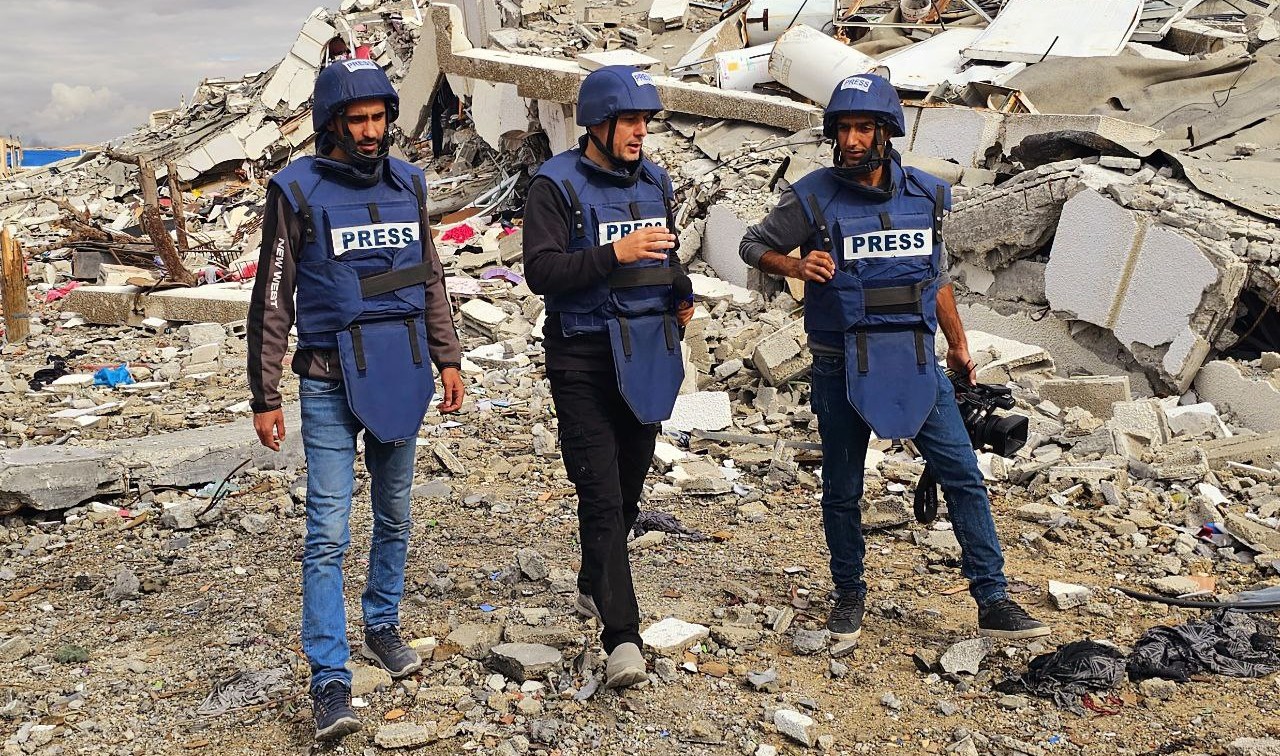
Gaza’s Young Journalists Shoulder the Burden of War Reporting in One of the World’s Most Dangerous Environments
April 18, 2026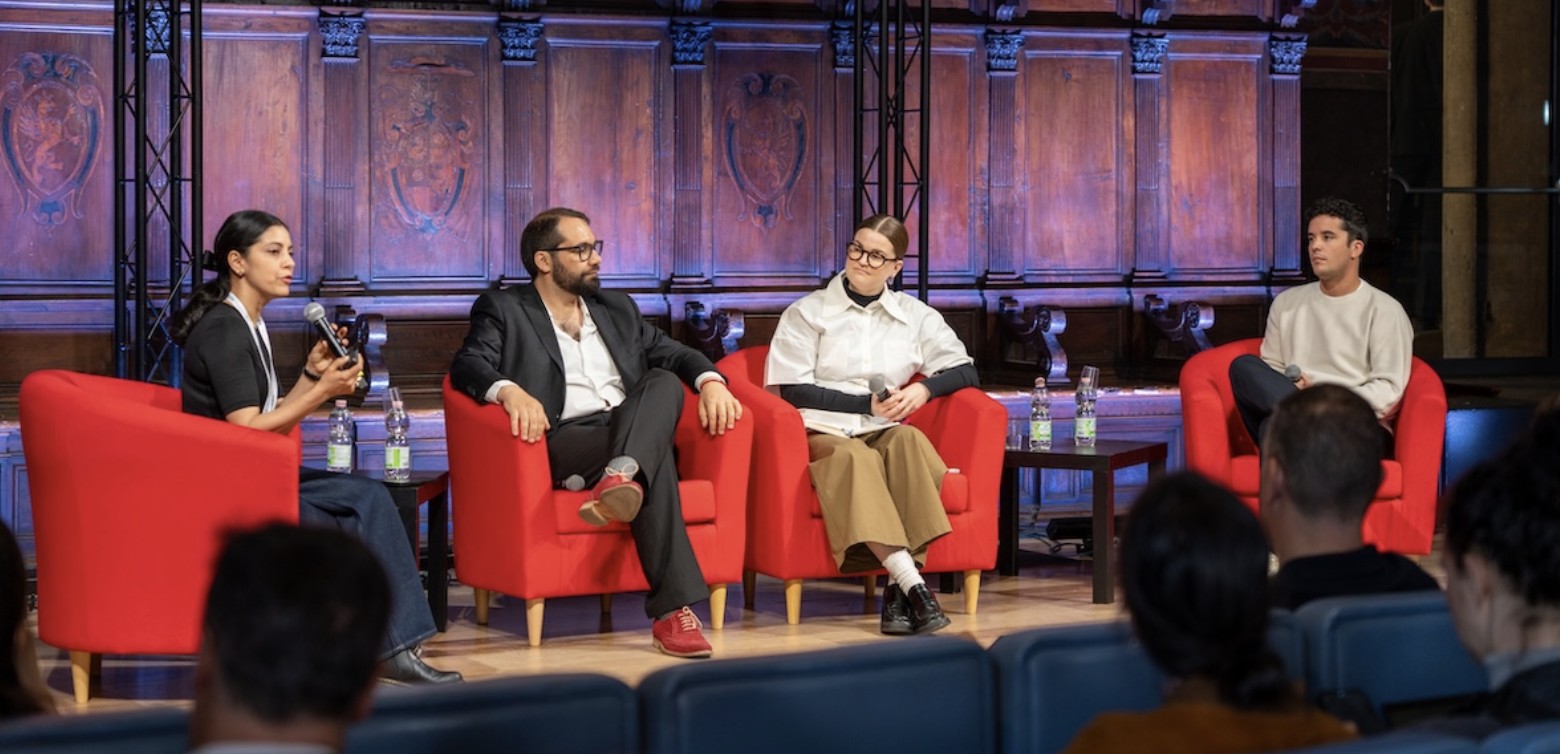
April 18, 2026 – Italy –
The International Journalism Festival held in Perugia, Italy, brought together journalists, researchers, editors, and media innovators to examine the evolving future of news, with a strong focus on artificial intelligence, audience trust, funding pressures, and the resilience of independent journalism. The event is widely regarded as one of the largest global gatherings dedicated to media and journalism practice.
Discussions at the festival reflected a sector undergoing rapid transformation, particularly as news organizations adapt to the growing influence of AI tools in reporting, production, and distribution. Sessions explored how artificial intelligence can enhance newsroom efficiency while also raising concerns about accuracy, editorial oversight, and potential bias in automated systems. Participants emphasized the need for structured safeguards and human accountability in AI-driven journalism workflows.
A recurring theme was the economic fragility of the news industry. Speakers noted ongoing declines in traditional revenue streams and increasing reliance on diversified funding models, including subscriptions, philanthropic support, and collaborative journalism initiatives. The importance of cross-border cooperation between newsrooms was highlighted as a key strategy for sustaining investigative reporting in resource-constrained environments.
The festival also addressed the growing challenge of information disorder, including disinformation campaigns and declining public trust in news institutions. Journalists and researchers discussed strategies to rebuild credibility, including transparency in sourcing, stronger verification processes, and direct engagement with audiences across digital platforms.
Press freedom and journalist safety were also central topics, with attention given to increasing legal and political pressures faced by reporters in various regions. Speakers underscored that threats to journalists are not isolated incidents but part of broader global patterns affecting independent media.
Another key focus was audience behavior, particularly the shift toward digital-native platforms and short-form video content. Journalists highlighted the need to meet audiences where they are without compromising editorial standards, balancing accessibility with accuracy in fast-moving information environments.
Overall, the Perugia festival reinforced a dual narrative: journalism is facing significant structural and technological disruption, yet it is also experiencing innovation and adaptation. Despite uncertainty, participants expressed cautious optimism that collaboration, ethical AI adoption, and renewed investment in public-interest reporting could help shape a more sustainable future for news.
Reference –