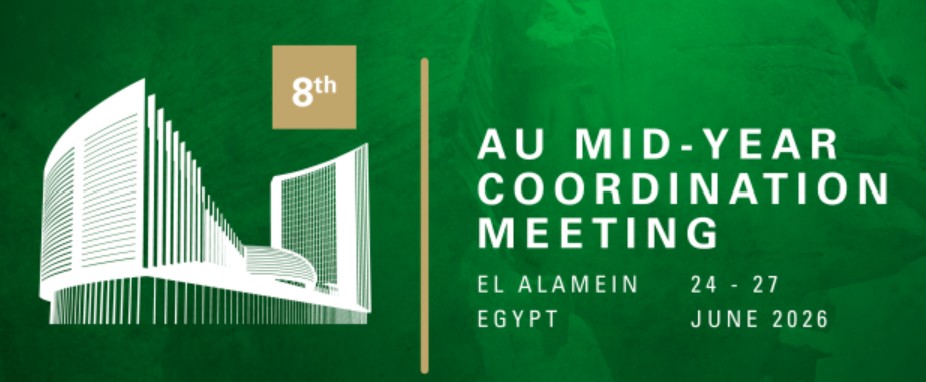
African Union Opens Journalist Registration for 8th Mid-Year Coordination Meeting in Egypt
May 7, 2026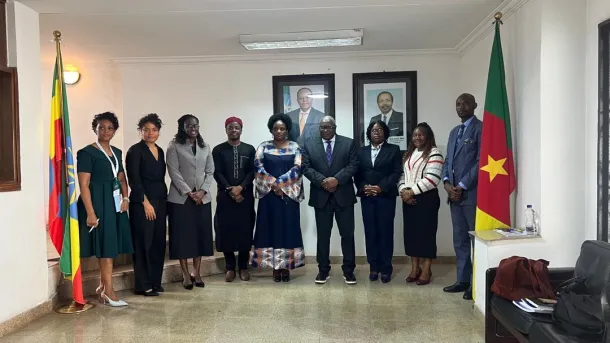
Protecting and Advancing Freedom of Expression in Africa: AU–UNESCO Group of Friends Holds Inaugural Safety of Journalists Meeting
May 14, 2026
A major media-focused conference in Dhaka brought together journalists, editors, media owners, and governance experts to discuss the state of press freedom in Bangladesh, with particular attention to how ownership structures and business interests are influencing editorial independence.
The Bangladesh Journalism Conference 2026, held in Dhaka, featured multiple sessions examining the challenges facing investigative reporting and newsroom autonomy in an increasingly politicized and commercially driven media environment. Participants included local editors, international media experts, and representatives from transparency and governance organizations.
Speakers at the event warned that editorial freedom is frequently constrained by the commercial and industrial interests of media owners, particularly when large business conglomerates operate media outlets alongside other profit-driven enterprises. They argued that such ownership structures can create conflicts of interest that directly affect newsroom decisions and content publication.
Discussions also focused on the need for stronger internal safeguards within news organizations, including clearer separation between editorial teams and ownership influence. Experts emphasized that without institutional protections, journalists may face indirect pressure leading to self-censorship or reduced willingness to pursue sensitive investigations.
Several speakers proposed reforms such as converting media organizations into trust-based structures or publicly accountable entities to reduce the influence of private business interests on editorial decisions. Others suggested mandatory disclosure of ownership-linked conflicts of interest to improve transparency for audiences.
The conference also addressed broader structural issues affecting media freedom in Bangladesh, including political polarization, governance challenges, and the growing influence of business figures within the political system. These factors were described as contributing to a constrained environment for independent journalism.
International participants underscored that similar pressures are observed across South Asia, where financial dependency, advertising-driven models, and political alignment can all shape editorial decision-making in newsrooms. They stressed the importance of editorial autonomy and professional standards to sustain investigative journalism.
Overall, the event framed editorial independence as a central issue for the future of journalism in Bangladesh, highlighting the tension between commercial viability and journalistic integrity. Participants called for stronger self-regulation, institutional safeguards, and clearer ethical boundaries to protect press freedom in a rapidly changing media landscape.
Reference –