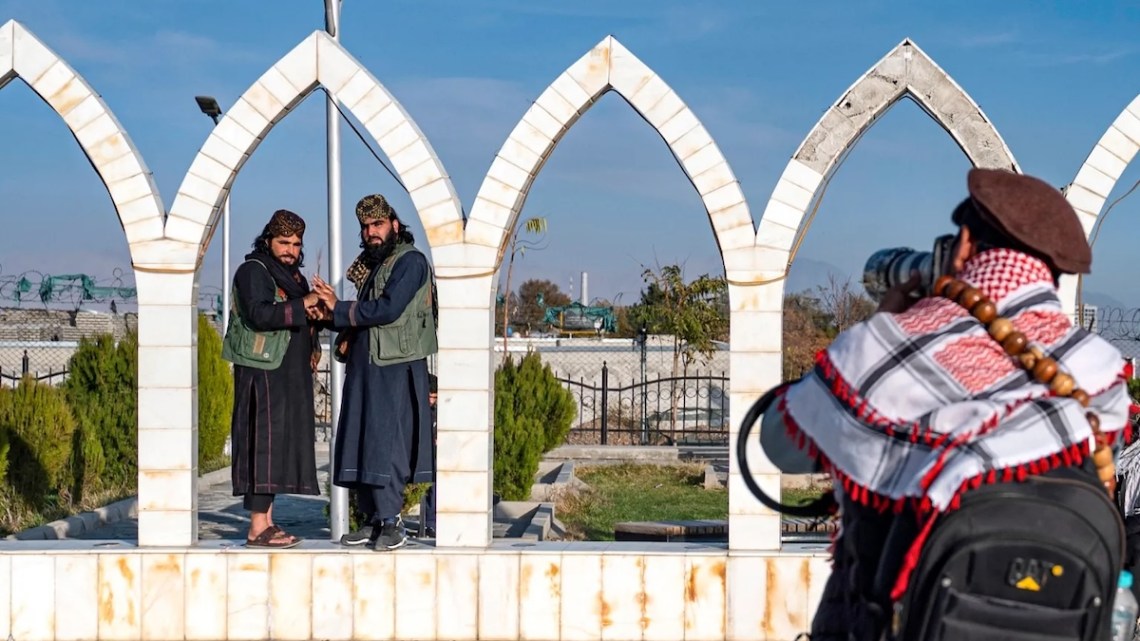
The Committee to Protect Journalists (CPJ) has called on the European Commission to abandon reported plans to invite Taliban representatives to Brussels for talks on migration and deportation issues, warning that such engagement risks legitimizing a regime accused of severe repression against journalists and independent media.
According to CPJ, the proposed discussions would focus on the return of rejected Afghan asylum seekers and Afghans convicted of crimes in European countries. The European Commission has reportedly coordinated the initiative with Sweden following requests from several EU member states seeking stronger deportation mechanisms for Afghan migrants.
CPJ Deputy Advocacy Director Tom Gibson criticized the proposal, arguing that inviting Taliban officials to Brussels while journalists continue facing censorship, intimidation, and imprisonment in Afghanistan sends the wrong message internationally. The organization said the move could strengthen the Taliban’s legitimacy and public relations standing despite its record on human rights and press freedom.
The European Union does not formally recognize the Taliban government, which returned to power in Afghanistan in 2021 after the withdrawal of U.S. and NATO forces. European officials have maintained that any planned meetings would occur only at a technical level and would not represent diplomatic recognition of the Taliban administration.
Human rights groups and Afghan media advocates have strongly opposed the proposed talks. Critics argue that engagement focused on deportations undermines European commitments to human rights protections and risks exposing Afghan returnees to persecution, repression, and abuse under Taliban rule. Rights organizations also warned that Afghanistan remains unsafe for many returnees, particularly journalists, women, activists, and former government employees.
Since regaining power, the Taliban has imposed sweeping restrictions on media operations across Afghanistan. Press freedom organizations report that authorities have shut down independent outlets, detained journalists, enforced strict censorship rules, and expanded surveillance over reporting activities. Women journalists have been especially affected by the restrictions, with many forced out of work or into exile.
The controversy surrounding the proposed Brussels meeting has intensified broader debate inside Europe over migration policy, diplomatic engagement with the Taliban, and the balance between security concerns and human rights obligations. European lawmakers and advocacy groups continue urging EU institutions to avoid steps that could normalize relations with Taliban authorities while repression inside Afghanistan continues.