Lebanese Journalist Killed in Beirut Strike Raises Alarm Over Media Safety
March 19, 2026
Azerbaijani Journalist Sentenced to Six Years Amid Claims of Abuse and Political Targeting
March 19, 2026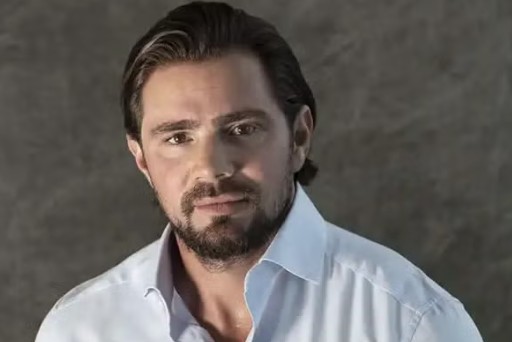
March 19, 2026 – Brazil –
A widening scandal in Brazil is raising fresh concerns about threats against journalists and the blurred relationship between powerful business figures and the media, after court documents revealed alleged plans to intimidate a prominent columnist. The case has shaken Brazil’s political, financial, and journalistic spheres, with observers warning it reflects a dangerous climate for independent reporting.
At the center of the controversy is Daniel Vorcaro, the former chief executive of Banco Master, a financial institution that collapsed under mounting legal and regulatory pressure. Brazilian authorities allege that Vorcaro was involved in efforts to monitor, threaten, and retaliate against individuals viewed as adversaries, including journalists. According to material cited in court filings, one of the reported targets was high-profile columnist Lauro Jardim, one of Brazil’s most widely read political and business commentators.
The most alarming element of the case involves messages uncovered during the police investigation that appear to discuss violent retaliation against a journalist. Investigators say the communications suggested an intention to intimidate or physically attack a reporter in response to unfavorable coverage. Vorcaro’s legal team has denied that he intended real violence, arguing the messages were taken out of context and reflected anger rather than actionable plans. Even so, the revelations have triggered outrage within Brazil’s media community, where threats against journalists are treated with particular seriousness, given the country’s long record of violence and intimidation targeting the press.
The scandal has also fueled broader unease over the opaque ties between influential figures and parts of the Brazilian media ecosystem. Reporting around the case has raised questions about whether some outlets or media actors may have been too closely connected to powerful financial and political interests, potentially complicating public trust in journalistic independence. While the full extent of those relationships remains unclear, the controversy has intensified scrutiny of how influence and pressure can shape coverage behind the scenes.
For press freedom advocates, the case is significant not only because of the alleged threats but because it illustrates how journalists in Brazil can still become targets when their reporting affects powerful interests. The episode comes amid wider concern over legal harassment, censorship attempts, and violence directed at reporters in the country. In that context, the scandal is being seen as another warning sign about the fragility of press freedom in Brazil, where exposing corruption or financial wrongdoing can still carry substantial personal risk.
Reference –