
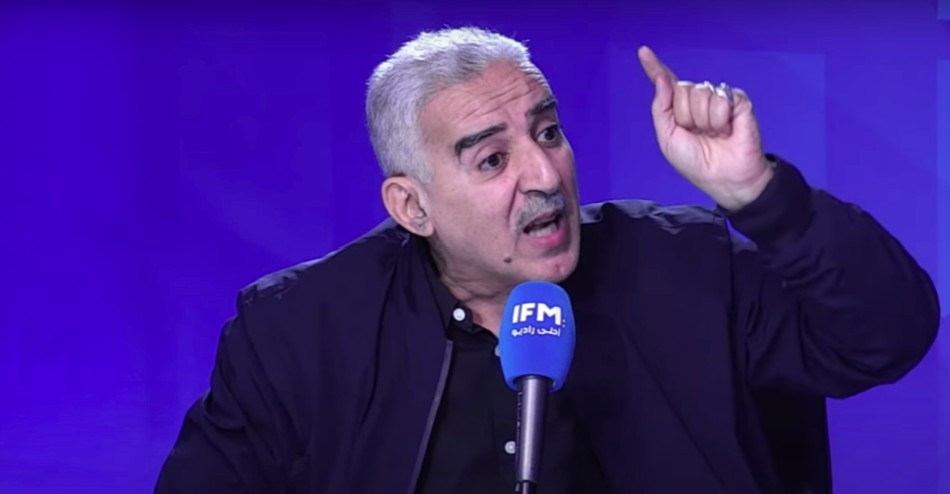
Tunisian Court Sentences Journalist Zied El Heni to One Year in Prison Amid Free Speech Concerns
May 9, 2026
Colombian Journalist Reported Missing and Later Found Dead in Rebel-Controlled Conflict Zone
May 10, 2026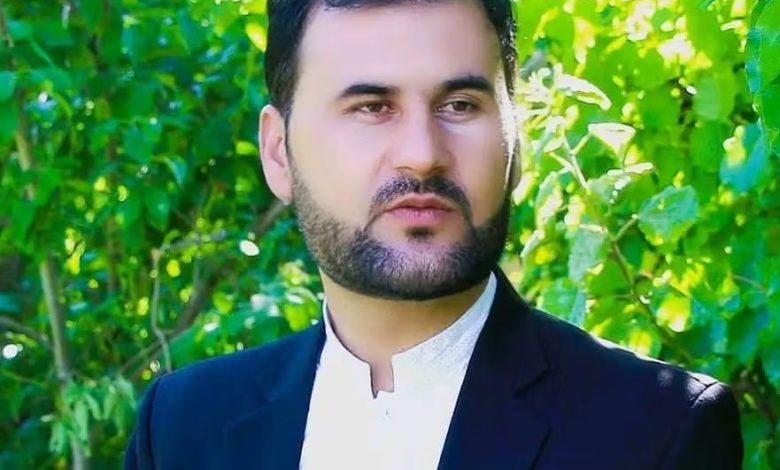
May 08, 2026 – Afghanistan –
Recent reports from Afghan and regional media outlets describe continued pressure on journalists in Afghanistan, including detentions, brief imprisonments, and restricted operating conditions for local radio stations, even as individual cases of release are also being reported.
According to the Afghanistan Media Support Organization and reporting cited by multiple outlets, Farhad Ghafori, head of Radio Etihad in Logar province, was recently released after spending approximately 15 days in Taliban custody. His detention had not been publicly explained in detail by authorities, and no formal legal justification was provided at the time of his arrest. The case drew attention after media freedom groups raised concerns about the lack of transparency and due process in such detentions.
Reports also indicate that Ghafori’s release came alongside continued uncertainty for other media workers, with at least five journalists and radio staff still reportedly held in detention in various parts of the country. Advocacy groups said they had received information suggesting that some detainees may have been subjected to forced confessions while in custody, raising further concerns about treatment during interrogation.
Separate reporting on broader media conditions in Afghanistan notes that arrests and intimidation of journalists remain part of a wider pattern affecting the sector. Monitoring organizations have documented hundreds of incidents over the past year, including threats, arrests, and restrictions targeting both print and broadcast media. These measures have included directives affecting radio operations, closures of stations, and limitations on content deemed unacceptable by authorities.
Media watchdogs also report that radio journalists in particular have faced pressure through summons, temporary detentions, and operational constraints. In some cases, stations have been accused of violating regulations or operating without compliance with official rules, leading to shutdowns or forced changes in programming.
Despite the release of individual journalists such as Ghafori, press freedom groups argue that the broader environment remains highly restrictive, with uncertainty over legal protections and continued risks for media workers operating outside state-approved frameworks.
Overall, the situation reflects a dual reality: isolated releases of detained journalists occur, while systemic concerns about censorship, arrests, and limited press autonomy persist across Afghanistan’s media landscape.
Reference –
https://www.afintl.com/en/202605070534
Radio Ettihad Head Detained; Number of Imprisoned Afghan Journalists Rises to Six