Turkish Journalist Alican Uludağ Released From Prison as Trial Continues
May 22, 2026

Russian Journalist Explains Decision to Remain in Russia Despite “Foreign Agent” Status
May 23, 2026May 22, 2026 – South Korea/Japan –
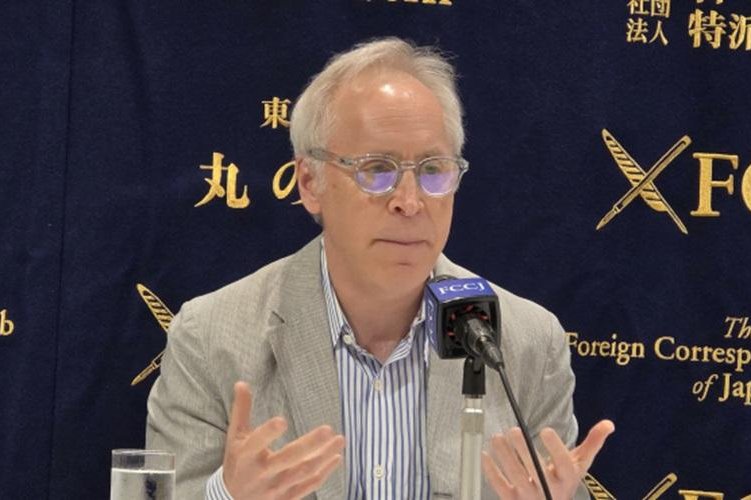
Press freedom advocates are warning that journalists in Japan and South Korea increasingly face indirect forms of pressure that threaten independent reporting and media freedom, despite both countries maintaining democratic political systems and relatively strong legal protections for the press. Speaking in Tokyo, representatives of the Committee to Protect Journalists said journalists in both countries are encountering growing restrictions through lawsuits, political intimidation, and limited access to official information.
The concerns were raised during discussions hosted by the Foreign Correspondents’ Club of Japan, a long-established organization representing international journalists working in Japan. CPJ officials described the pressure facing media organizations as increasingly subtle and institutional rather than involving direct censorship or mass arrests commonly associated with authoritarian states.
According to CPJ representatives, journalists in Japan have faced obstacles linked to the country’s “kisha club” system, under which access to government press conferences and official briefings is often restricted to members of tightly controlled press associations connected to major domestic media outlets. Critics argue the structure discourages aggressive reporting and limits opportunities for freelance reporters, foreign correspondents, and smaller independent outlets.
Media advocates also pointed to increasing defamation lawsuits, online harassment, and economic pressure affecting investigative journalists and smaller news organizations in both Japan and South Korea. They warned that legal intimidation and restricted access to officials can weaken press independence even in countries considered politically free.
Japan has traditionally ranked relatively high in international democracy and press freedom indexes, though organizations such as Reporters Without Borders and Freedom House have previously expressed concern regarding media concentration, access restrictions, and self-censorship within major news institutions.
South Korea has also experienced ongoing debate regarding political polarization, disinformation, and the relationship between media organizations and government authorities. Press freedom groups argued that journalists in democratic societies increasingly face digital harassment campaigns, political attacks, and pressure from both governments and private actors.
The Foreign Correspondents’ Club of Japan, established in 1945 after World War II, has historically served as a platform for international journalists covering Japanese politics, society, and foreign affairs. The organization frequently hosts debates and events focused on press freedom, media ethics, and democratic accountability.
The warnings from CPJ contributed to wider international discussions surrounding the future of journalism and media independence globally. Press freedom organizations increasingly argue that democratic decline can emerge not only through direct censorship but also through institutional barriers, economic pressure, disinformation, and erosion of public trust in independent reporting.
Reference –
https://www.upi.com/amp/Top_News/World-News/2026/05/22/Japan-press-freedom/2741779494700/