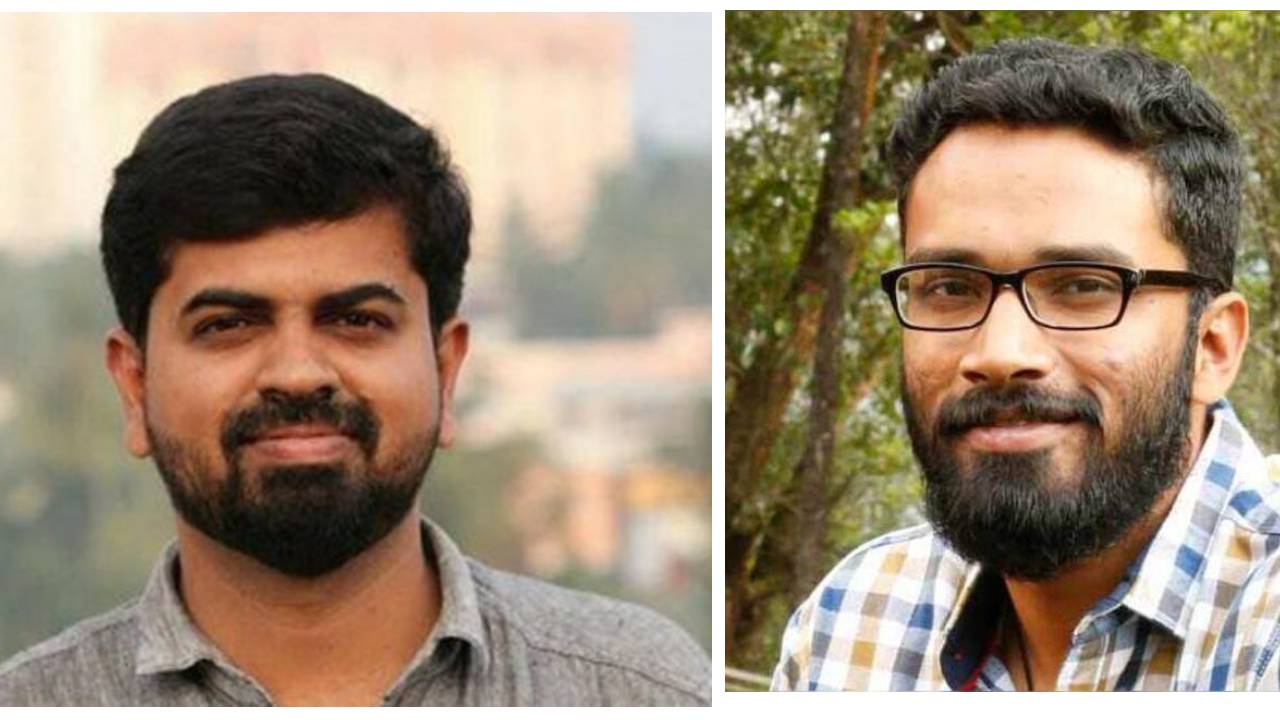
Nearly seven years after journalist K.M. Basheer was killed in a late-night road crash in Thiruvananthapuram, Kerala, IAS officer Sriram Venkitaraman is set to stand trial in a case that has remained under intense public scrutiny since 2019. The trial is scheduled to begin on August 1 at the Additional District and Sessions Court-IV in Thiruvananthapuram, where close to 100 witnesses are expected to testify over several weeks.
Basheer, who served as the Thiruvananthapuram bureau chief of the Malayalam newspaper Siraj, was killed in the early hours of August 3, 2019, after a speeding car allegedly driven by Venkitaraman crashed into his motorcycle near the Public Office junction close to the Museum police station. Reports stated Basheer had stopped by the roadside to attend a phone call when the collision occurred. CCTV footage reportedly showed the vehicle approaching at high speed before striking the motorcycle.
The prosecution has charged Venkitaraman with culpable homicide not amounting to murder, destruction of evidence, rash and negligent driving, and dangerous driving under the Motor Vehicles Act. The Kerala High Court earlier restored the culpable homicide charge after a lower court had dropped it, while the Supreme Court later dismissed Venkitaraman’s appeal challenging the charge.
The case became controversial because of allegations that authorities initially attempted to shield the IAS officer. Police first claimed that Wafa Firoz, the owner of the Volkswagen Vento involved in the crash, had been driving the car. However, eyewitnesses and autorickshaw drivers contradicted that version and maintained that Venkitaraman was behind the wheel. Firoz was later removed from the chargesheet, leaving Venkitaraman as the sole accused.
Questions were also raised regarding delays in conducting medical examinations after the crash. Early medical records reportedly noted the smell of alcohol on Venkitaraman’s breath, but blood samples were collected several hours later, and laboratory tests did not detect alcohol. Prosecutors argued the delay compromised evidence, while the defense maintained the incident was an accident rather than a criminal act.
Public discussion surrounding the case has continued for years, with critics accusing authorities of extending preferential treatment to the IAS officer because of his status and influence. Online discussions and media commentary have repeatedly questioned delays in the investigation and trial process, reflecting broader concerns about accountability and justice in high-profile cases involving public officials.