Journalist Arrested During Trump-Era Immigration Enforcement Says Fear Still Persists
May 17, 2026
Italian Journalist Calls for Greater European Support for Gaza Aid Flotilla
May 18, 2026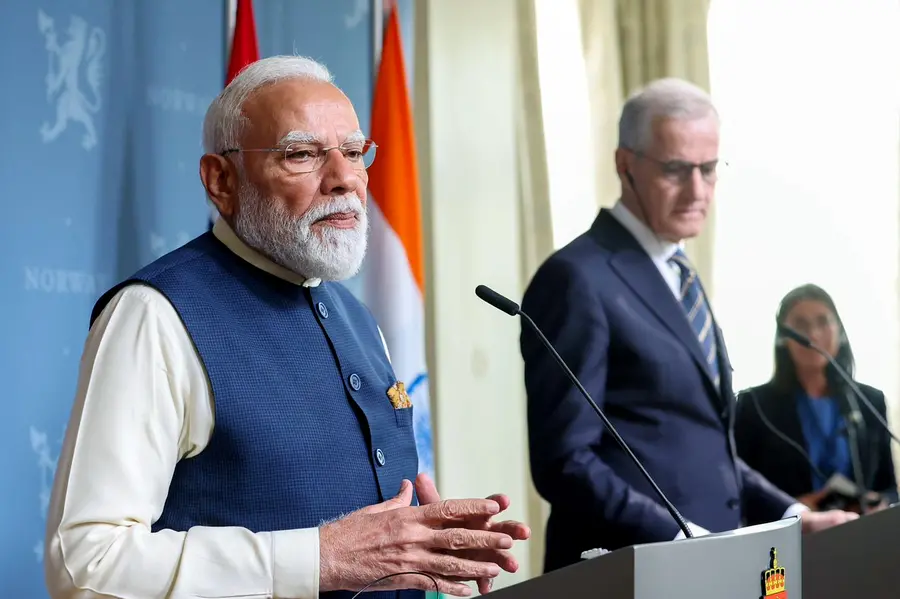
May 18, 2026 – Norway/India –
Norwegian journalist and filmmaker Kjersti Flaa has responded to a wave of online abuse after a video circulated showing her asking Indian Prime Minister Narendra Modi why he avoids holding press conferences. The exchange took place during Modi’s recent visit to Norway, where international journalists were briefly allowed to ask questions during a public appearance.
In the widely shared video, Flaa questioned Modi about criticism surrounding his limited engagement with independent media and the absence of open press conferences during his years in office. The moment quickly spread across social media platforms, triggering polarized reactions from political supporters and critics alike. While some users praised the question as an example of journalistic accountability, others targeted Flaa with insults and coordinated online attacks.
Following the backlash, Flaa publicly defended her actions and said journalists have a professional responsibility to ask difficult questions of political leaders. She stated that her intention was not to provoke controversy, but to seek answers on an issue that has been widely discussed by press freedom advocates and international observers. Flaa also expressed concern about the intensity of the online harassment directed at her after the clip gained attention.
The incident soon became part of a wider political debate in India. Opposition leader Rahul Gandhi referenced the video while criticizing Modi’s media approach, arguing that the exchange reflected growing public frustration over the prime minister’s reluctance to participate in unscripted press interactions. Supporters of the government, however, accused critics of politicizing the encounter and defended Modi’s communication style.
The episode has reignited discussions about press freedom, media access, and the relationship between journalists and political leaders in India. Advocacy groups and commentators have increasingly raised concerns about hostile online environments faced by reporters, particularly women journalists and foreign correspondents covering politically sensitive subjects.
The circulation of the video also highlighted how rapidly social media can amplify confrontations between public officials and journalists, transforming brief exchanges into international political flashpoints. The debate surrounding Flaa’s question continues online, with supporters emphasizing the importance of accountability journalism and critics framing the exchange as politically motivated.
Reference –