

Awards Shine Light on Detained Philippine Journalist’s Case
May 17, 2026
Journalists Sue Tech Companies Over Alleged AI Voice Misuse
May 17, 2026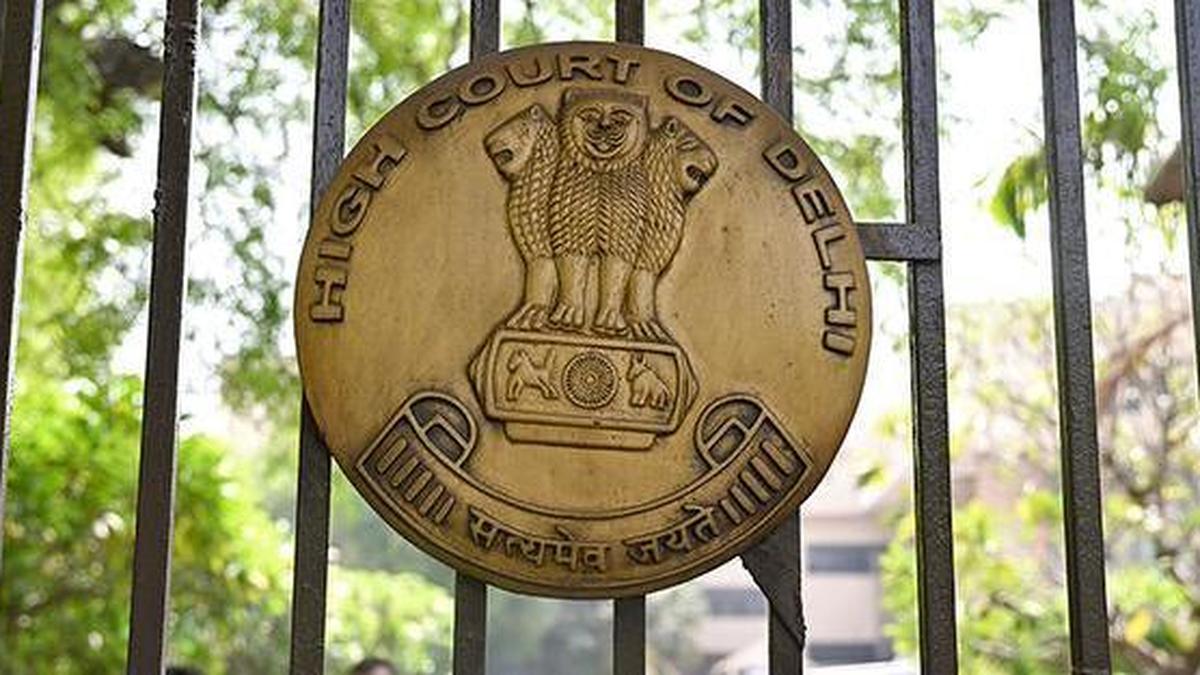
May 17, 2026 – India –
A Delhi court has ordered the removal of multiple online articles concerning Indian journalist Swati Chaturvedi after finding that the reports contained defamatory allegations that could damage her professional reputation. The ruling has renewed discussion in India over media ethics, digital accountability, and the legal limits of online reporting.
The case centered on articles published by OpIndia that accused Chaturvedi of involvement in extortion-related activities. Chaturvedi challenged the reports before the court, arguing that the allegations were false, unsupported, and harmful to her standing as a journalist. According to reports, the court concluded that the material lacked sufficient evidentiary basis and directed the outlet to remove the articles from its platforms.
The Delhi court reportedly observed that freedom of expression does not protect the publication of defamatory content and emphasized the need for responsible reporting. The ruling also highlighted the potential consequences of unverified accusations circulating widely through digital media platforms, particularly when directed at journalists and public figures.
Chaturvedi, known for her reporting and commentary on politics and online disinformation, has frequently been the target of online abuse and harassment campaigns. Press freedom advocates noted that the court’s decision reflects broader concerns regarding the spread of damaging allegations through partisan digital media ecosystems. Supporters argued that the judgment reinforces the importance of fact-checking, editorial standards, and accountability in online journalism.
The decision sparked wider debate across India’s media landscape regarding the balance between press freedom and defamation law. Some legal analysts viewed the ruling as a reminder that digital publishers remain subject to the same legal responsibilities as traditional media organizations. Others cautioned that defamation laws must not be misused to discourage investigative reporting or critical journalism.
Media observers also pointed to the growing influence of online news outlets in shaping political discourse and public opinion. As digital platforms increasingly dominate information distribution, concerns over misinformation, sensational reporting, and reputational harm have become central issues in discussions about India’s media environment.
Press freedom organizations continue stressing that ethical journalism requires accuracy, verification, and responsible editorial practices. Advocates say the case demonstrates the importance of protecting journalists from targeted misinformation while also preserving the broader principles of independent reporting and free expression.
Reference –
Delhi court orders OpIndia to remove articles on journalist Swati Chaturvedi