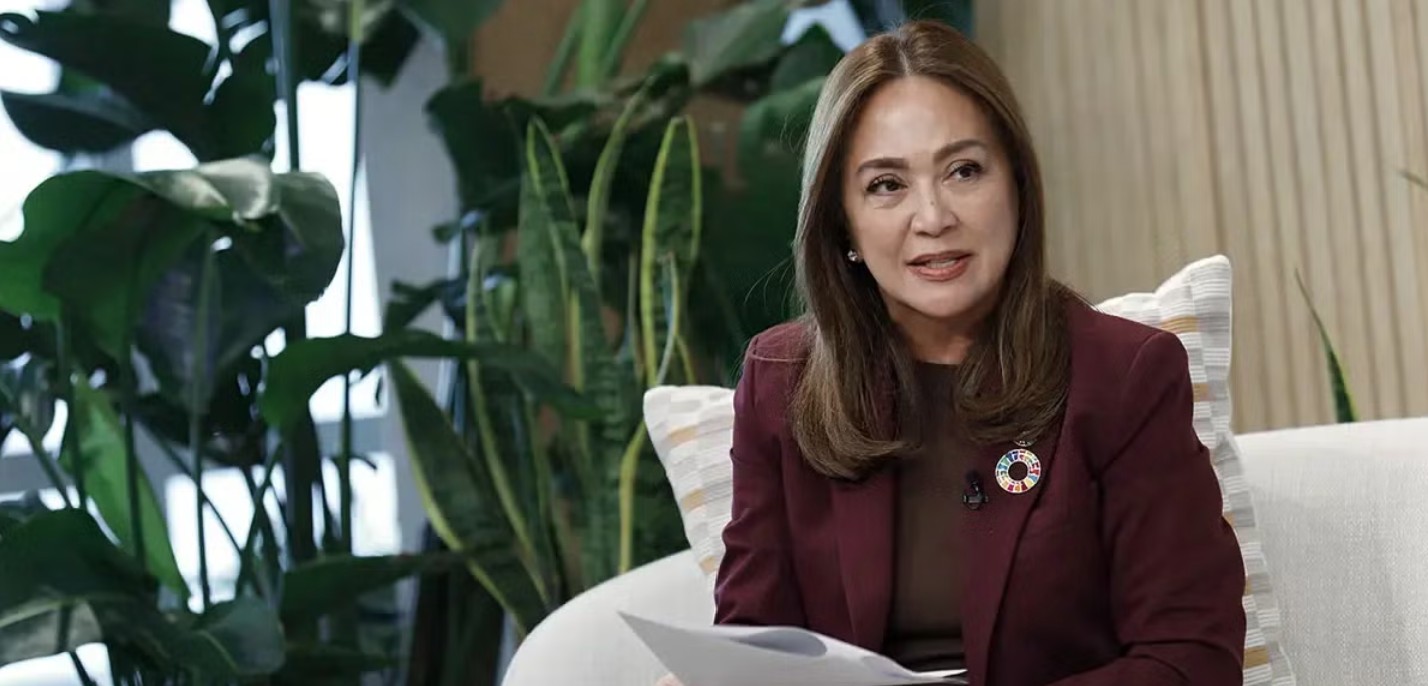
UN Warns Rising Online Violence Against Women Journalists Is Driving Self-Censorship and Withdrawal From Public Life
May 5, 2026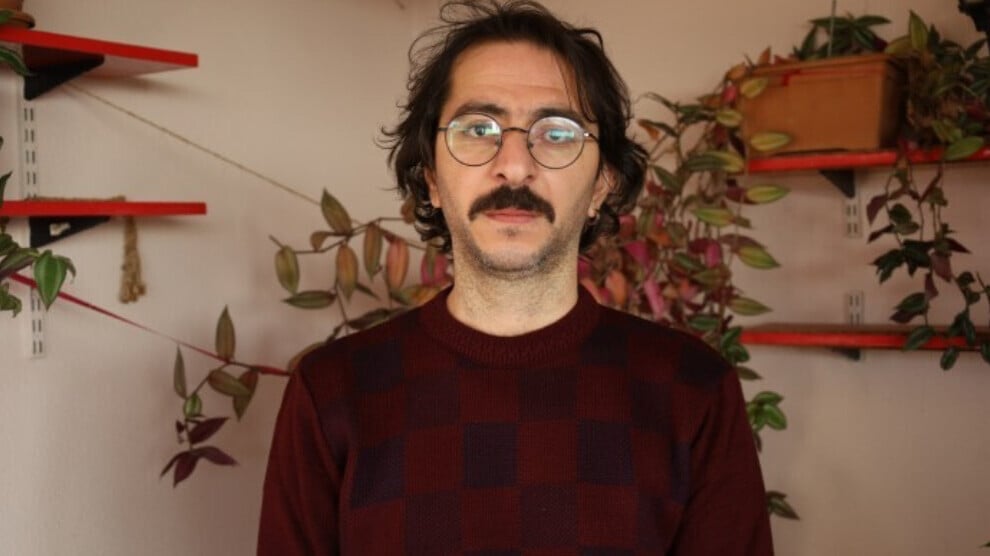
Kurdish Journalist Ahmet Güneş Faces Investigation in Turkey Over Social Media Reporting on Rojava
May 5, 2026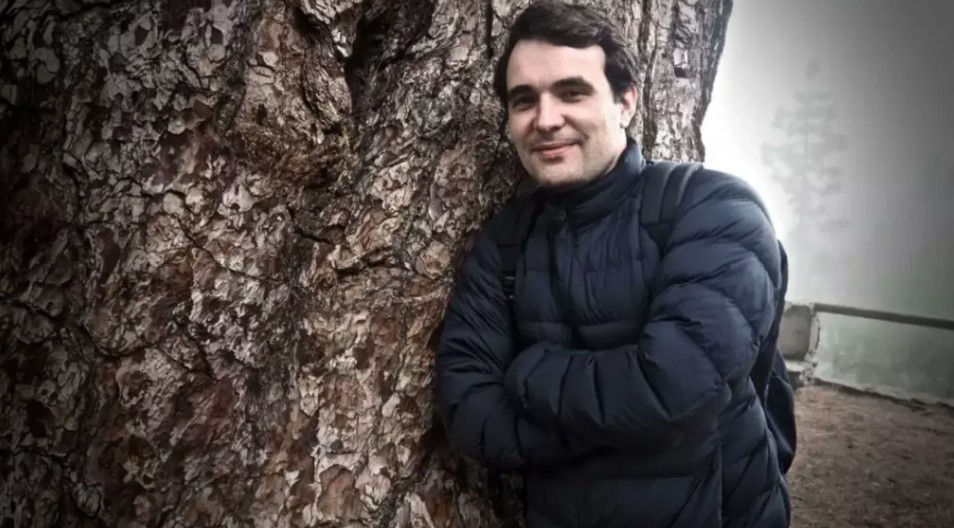
May 05, 2026 – France –
A French sports journalist imprisoned in Algeria has withdrawn his appeal to the country’s highest court, in a move widely interpreted as an attempt to secure a presidential pardon and possible early release. The decision marks a significant shift in his legal strategy as supporters and family increasingly rely on executive clemency rather than further judicial proceedings.
Christophe Gleizes, a 37-year-old journalist, was sentenced to seven years in prison in June last year on charges related to “glorifying terrorism,” accusations he denies. An Algerian appeals court upheld the sentence in December, after which his legal team initially pursued a further challenge before the Court of Cassation, Algeria’s highest judicial authority.
However, his family confirmed this week that he has now chosen to drop that appeal entirely. His mother, Sylvie Godard, said the decision reflects a deliberate strategy of placing trust in Algerian President Abdelmadjid Tebboune’s power to grant clemency. She described the move as symbolic, arguing that continuing the legal process could delay or reduce the chances of release through political intervention.
Gleizes was arrested in 2024 while reporting in Algeria, and his case has since drawn attention from press freedom organisations and French media groups. He was accused of links to individuals associated with a group designated as extremist by Algerian authorities, allegations his supporters reject, insisting his work was journalistic in nature.
The case has also unfolded against a backdrop of strained relations between France and Algeria, with broader diplomatic tensions influencing discussions around detainees and consular engagement. Observers note that past presidential pardons in similar cases have often followed diplomatic mediation or humanitarian appeals, reinforcing the family’s current strategy.
Rights groups and journalists’ organisations have continued to call for his release, arguing that the charges reflect an overly broad application of anti-terror laws against journalistic activity. France has also previously expressed concern over his conviction and urged reconsideration of his detention.
As the legal process effectively pauses with the withdrawal of the appeal, the focus now shifts to whether Algerian authorities will consider a pardon request. The outcome is likely to be closely watched in both countries, given its implications for press freedom, diplomatic relations, and the treatment of foreign journalists abroad.
Reference –
Related posts
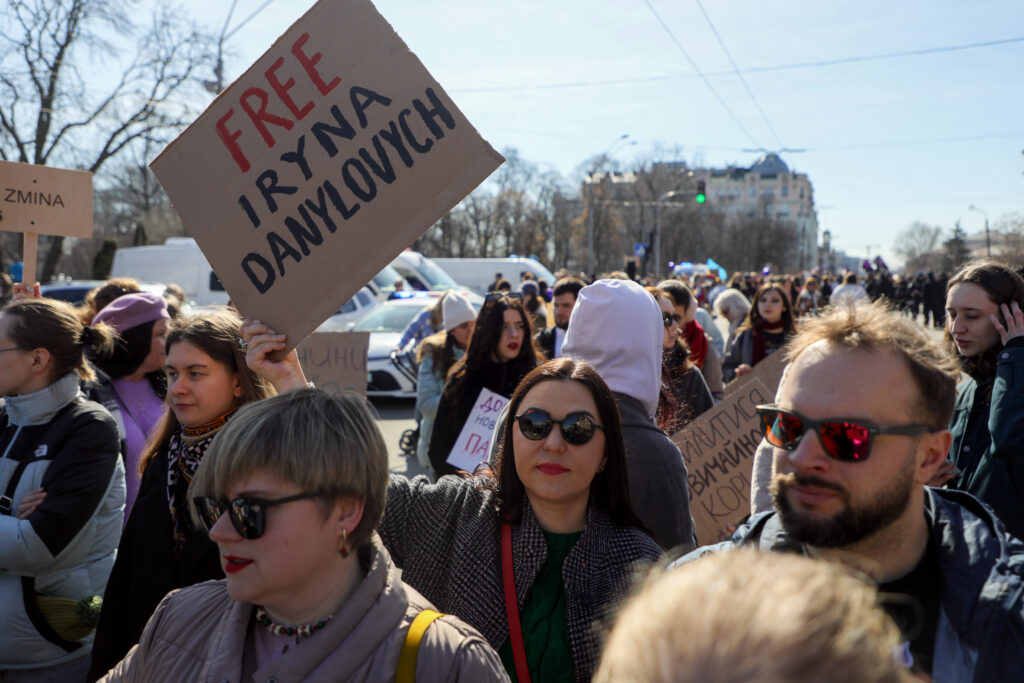
A woman holds a placard demanding freedom for Iryna Danylovych, a human rights defender, medical professional, and civic journalist who was sentenced by Russian authorities in Russia-occupied Crimea in December 2022 to seven years in prison on fabricated charges of âunlawful handling of explosives", as demonstrators gather in Volodymyrska Street near Taras Shevchenko Park for the March of Women on International Womenâs Day, Kyiv, Ukraine, March 8, 2026. Held for the first time since Russiaâs full-scale invasion, the procession was dedicated to combating gender discrimination and protecting womenâs rights. Activists highlighted the rights of female military personnel, the need to address sexual harassment and discrimination in the Armed Forces of Ukraine, and support for women held in Russian captivity since 2014. Many participants also voiced opposition to the draft of the new Civil Code., Credit:Yuliia Ovsiannikova / Avalon