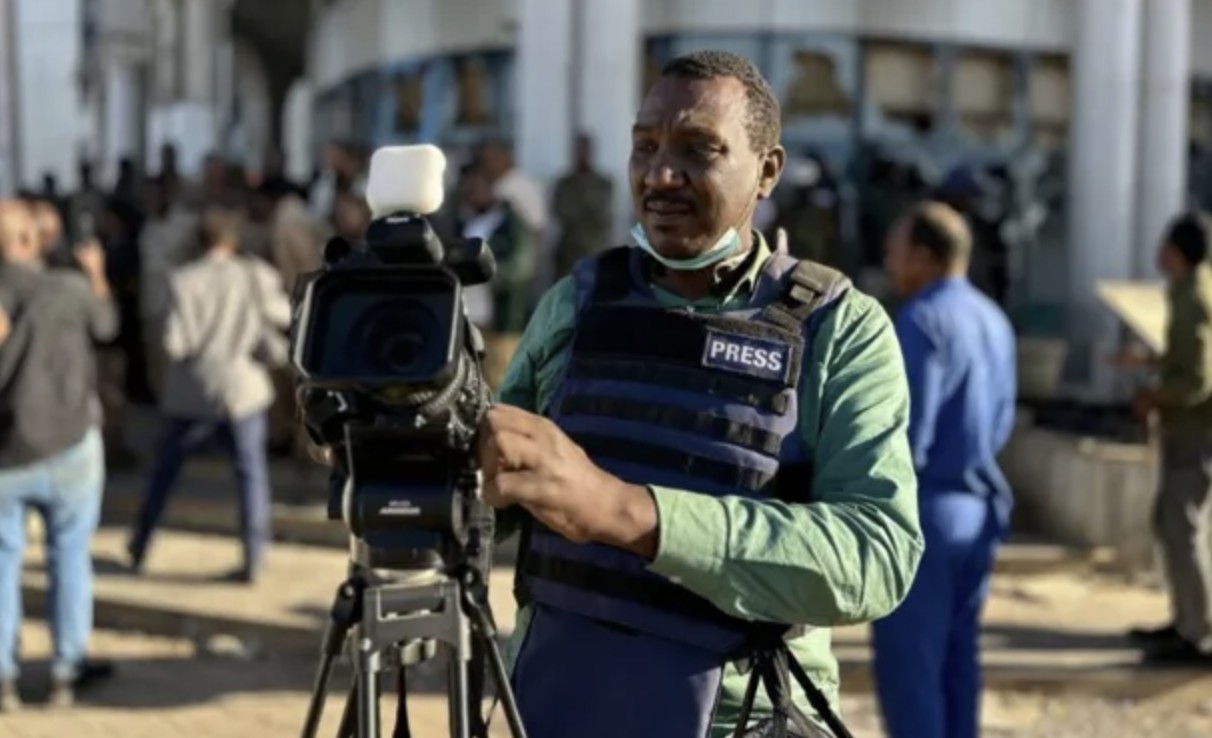
Sudanese Journalists Syndicate Honored With UNESCO Press Freedom Prize Amid War-Time Media Collapse
May 1, 2026
Investigative Journalist Shibani Mahtani Wins 2026 Shorenstein Journalism Award for Asia-Pacific Reporting
May 1, 2026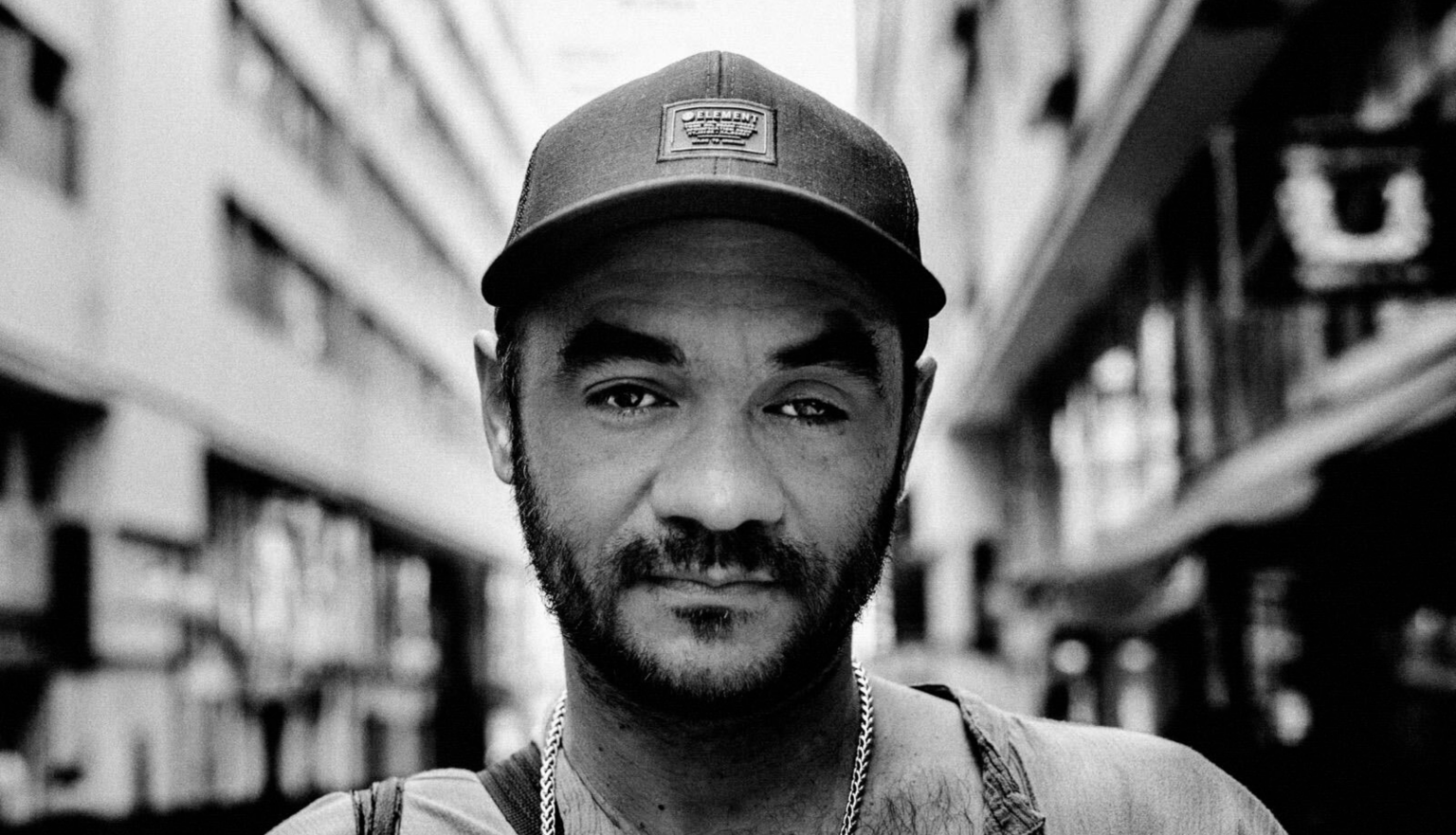
May 01, 2026 – Brazil –
Brazil’s Supreme Federal Court has ruled in favor of a journalist who lost vision in one eye after being struck by a rubber bullet during a protest, marking a significant legal affirmation of state responsibility for injuries suffered by media workers covering demonstrations.
The ruling concerns freelance photojournalist Sérgio Andrade da Silva, who was injured in 2013 while documenting a public protest in São Paulo. He was hit in the face by a rubber bullet fired by police, resulting in permanent vision loss in his left eye. After a prolonged legal battle lasting more than a decade, the court ordered the state of São Paulo to provide financial compensation and a lifetime pension.
The Supreme Court decision also reaffirmed the principle that the state bears responsibility for harm caused by security forces when journalists are performing their professional duties in public spaces. The judgment overturned earlier lower court rulings that had denied compensation based on uncertainty over the origin of the projectile or the perceived risks associated with covering protests.
Press freedom advocates, including the Committee to Protect Journalists, welcomed the ruling as a milestone in accountability for violence against journalists. They emphasized that the decision strengthens legal protections for reporters covering demonstrations, where the risk of police violence has been a recurring concern in Brazil and elsewhere in the region.
The case has also been cited in broader legal discussions in Brazil about the use of so-called “less-lethal” weapons such as rubber bullets. Civil society organizations have argued that such weapons have repeatedly caused severe injuries to journalists and protesters alike, raising questions about proportionality and rules of engagement during crowd control operations.
Legal observers note that the ruling reinforces an earlier Supreme Court understanding that the state can be held liable when journalists are injured while performing work in the public interest, particularly during protests where press access and documentation are essential for democratic oversight.
The decision is expected to influence similar pending cases in Brazil involving journalists and photojournalists injured during public demonstrations. It also contributes to a broader regional and global debate on accountability for law enforcement actions against members of the press.
Overall, the ruling is being interpreted as a legal reaffirmation that journalistic activity in public protest spaces is protected work, and that states carry a heightened duty of care toward journalists operating in environments where crowd control measures are deployed.
Reference –