Courtroom Protest by Jailed Meydan TV Journalists Highlights Ongoing Media Crackdown in Azerbaijan
May 2, 2026
Dhaka Ceremony Honors Dozens of Photojournalists, Spotlighting Role of Visual Reporting
May 3, 2026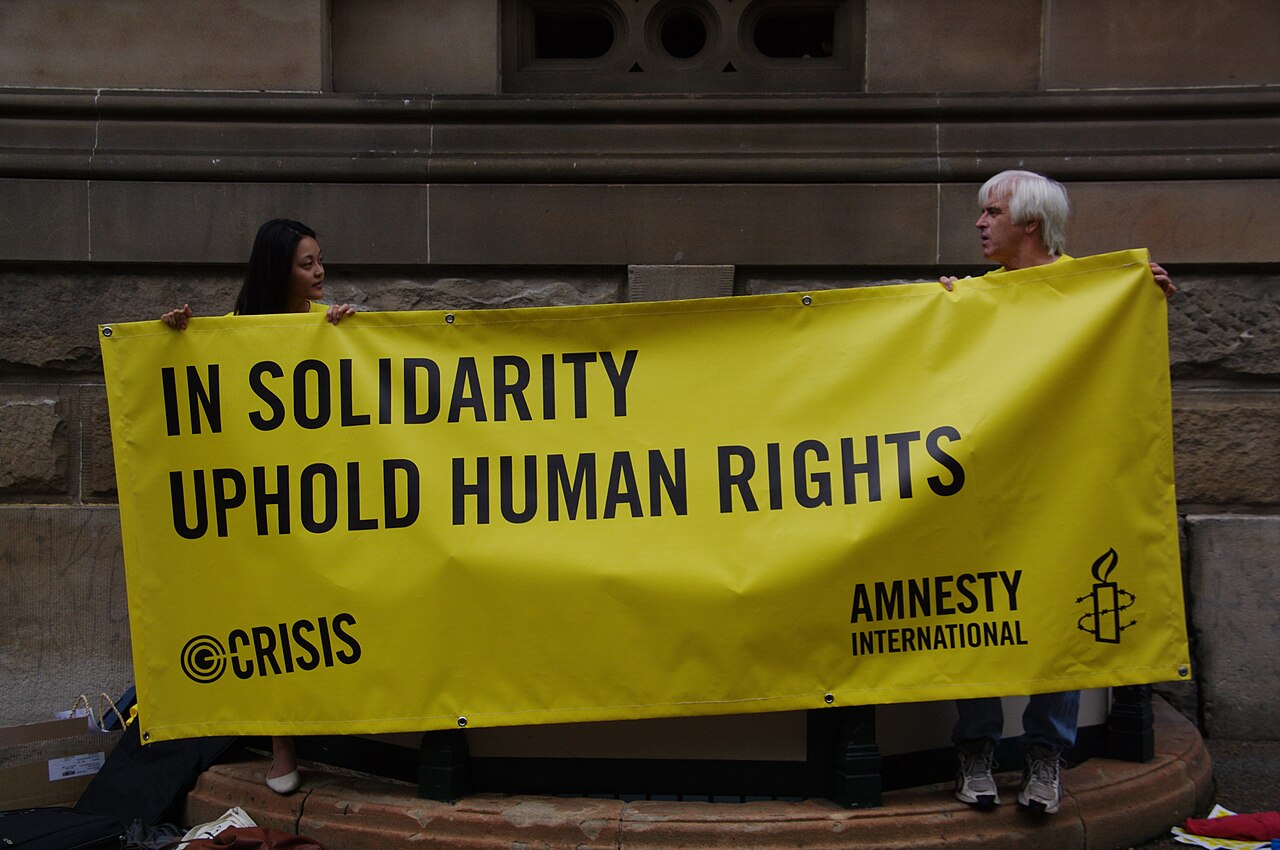
May 03, 2026 – Africa –
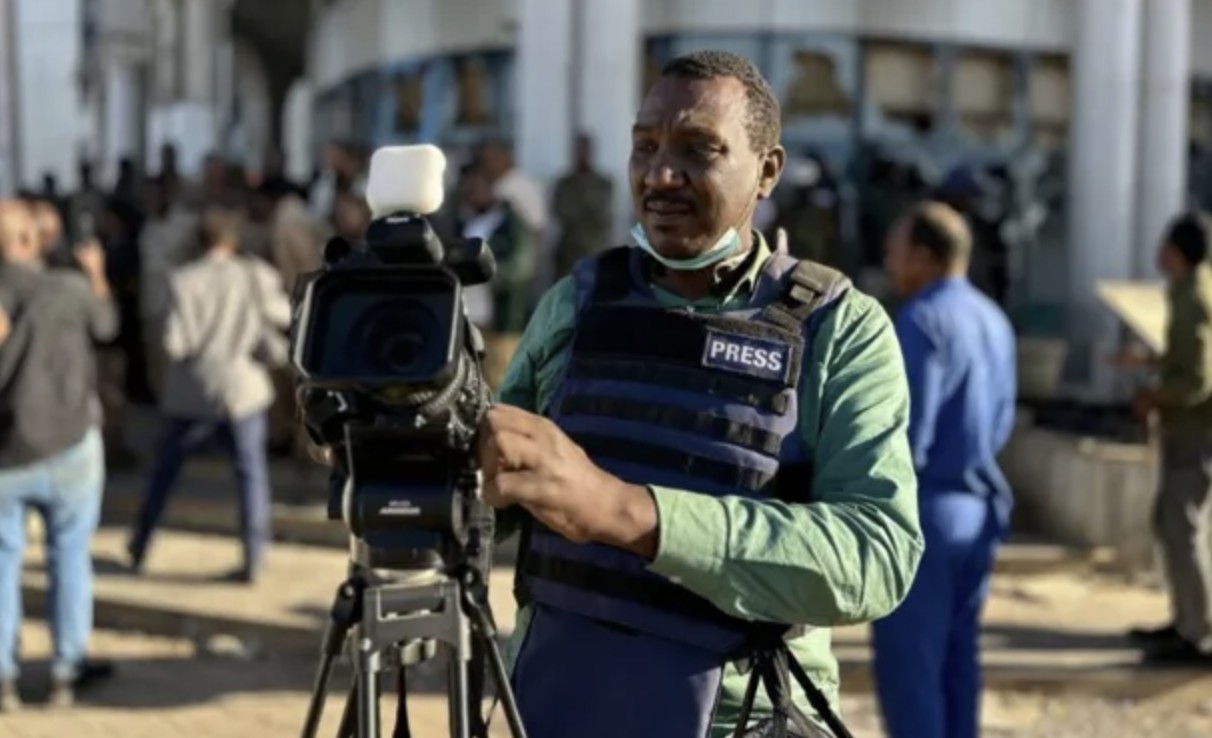
A new assessment by Amnesty International warns that press freedom across East and Southern Africa is facing a sustained and systemic decline, driven by coordinated state actions, legal repression, and a persistent lack of accountability for attacks on journalists.
The report, released ahead of World Press Freedom Day 2026, documents widespread patterns of harassment, arbitrary arrests, and detention of journalists across multiple countries in the region, including Ethiopia, Tanzania, Uganda, Zimbabwe, and Sudan. It highlights that these incidents are not isolated, but instead reflect a broader regional trend in which authorities increasingly rely on legal and administrative tools to restrict independent reporting.
Among the most prominent tactics identified are the use of vaguely defined cybercrime and national security laws, which governments have deployed to criminalize journalistic work and suppress criticism. Amnesty reports that these laws are often coupled with internet shutdowns and digital restrictions, particularly during election periods in 2025 and early 2026, limiting both reporting capacity and public access to information.
The findings also point to the growing role of impunity in sustaining these violations. In many documented cases, attacks on journalists, including physical violence and intimidation, have not led to meaningful investigations or prosecutions. This lack of accountability, Amnesty argues, creates an enabling environment in which further abuses can occur without consequence.
Beyond direct repression, the report details additional measures such as the arbitrary revocation of media licenses, unlawful surveillance, and enforced disappearances. These tactics collectively contribute to what rights groups describe as a shrinking civic space for journalists, particularly those covering sensitive topics such as governance, corruption, and human rights abuses.
Amnesty’s regional director for East and Southern Africa emphasized that these developments pose a serious threat not only to journalists but also to broader democratic accountability. The erosion of media freedom, the report argues, limits public access to reliable information and weakens oversight of state institutions.
The report concludes that without urgent reforms, including stronger legal protections for journalists and credible mechanisms to investigate abuses, the region risks further entrenching a culture of repression. It calls on governments to end the misuse of laws against journalists and to ensure that media workers can operate without fear of retaliation.
Overall, the findings underscore a shift from isolated incidents of repression to a more structured and institutionalized pattern of media control, where legal frameworks, digital restrictions, and impunity converge to systematically undermine press freedom across the region.
Reference –