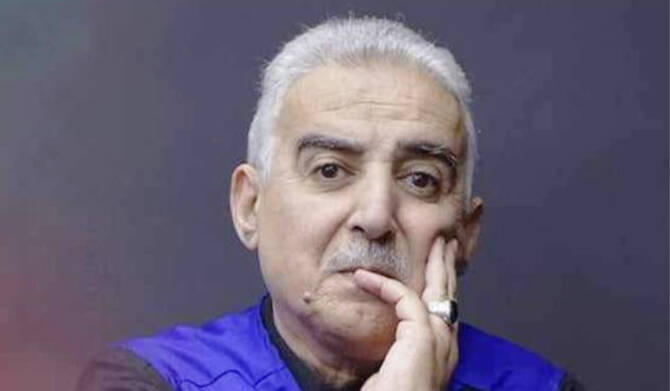
Tunisian Journalist Detained After Criticising Judiciary Amid Escalating Concerns Over Press Freedom
April 26, 2026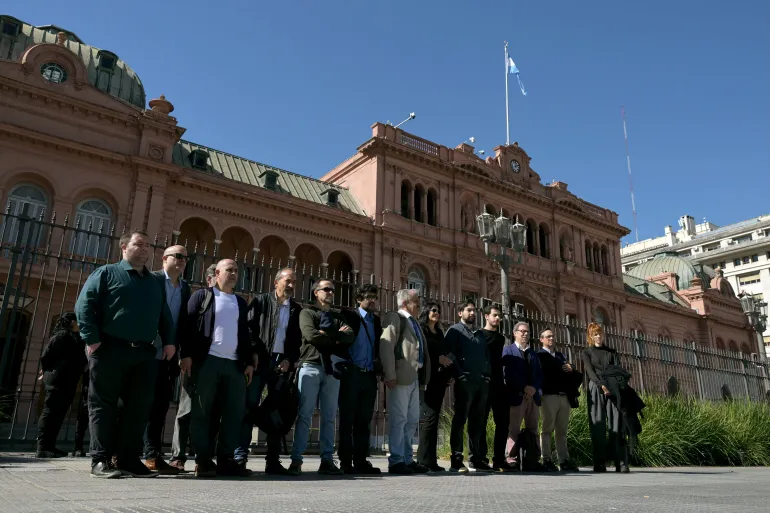
Argentina’s Milei Administration Blocks Journalist Access to Casa Rosada Amid Escalating Press Freedom Concerns
April 26, 2026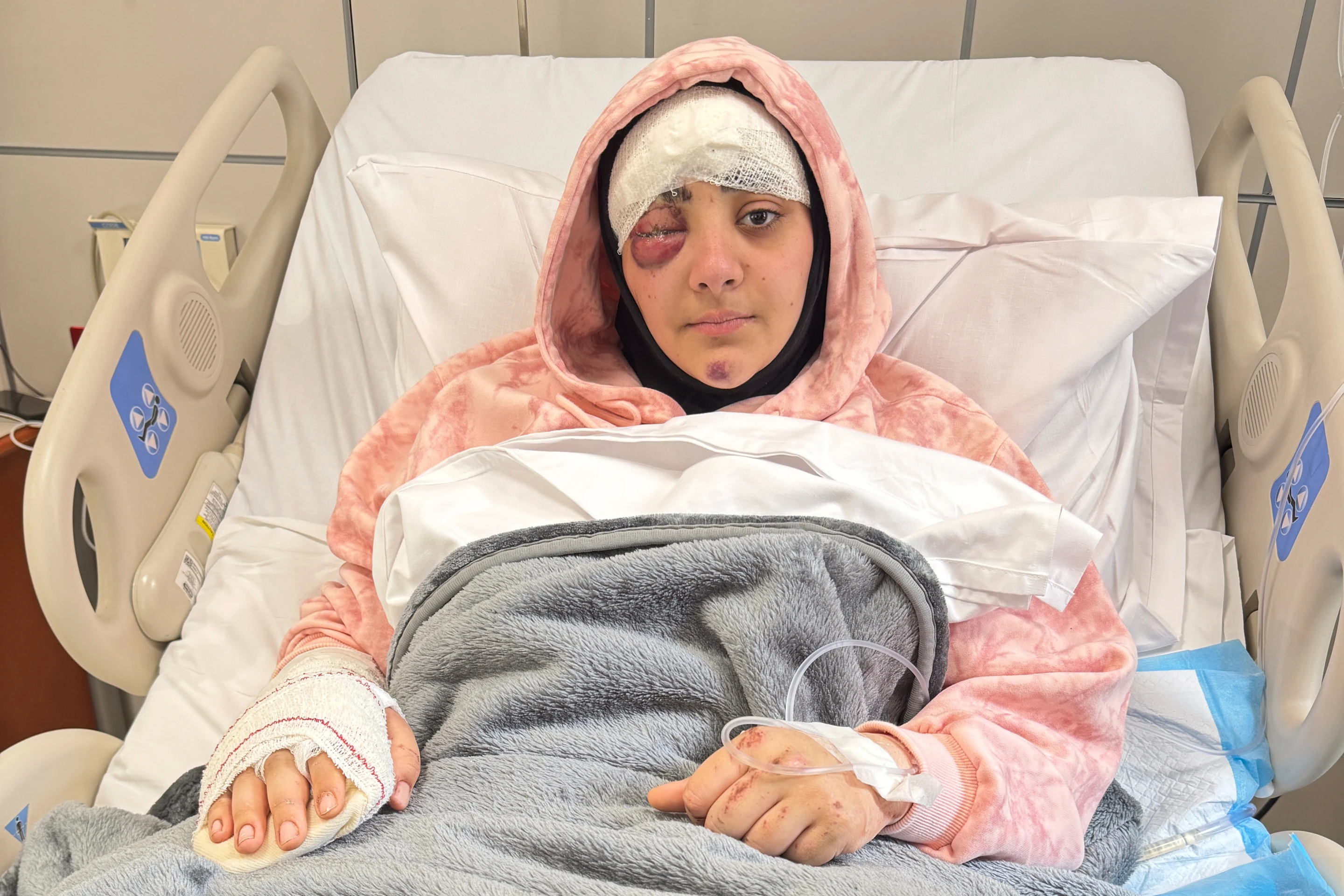
April 26, 2026 – Lebanon –
Lebanese journalist Amal Khalil has been killed during an Israeli airstrike in southern Lebanon while covering developments linked to the ongoing conflict between Israel and Hezbollah, in an incident that has intensified concerns over the safety of journalists working in active war zones.
According to multiple reports, Khalil was on assignment in the town of al-Tiri in the Bint Jbeil district when an Israeli strike hit the area where she and another journalist were present. She was reportedly sheltering in a residential building after an earlier nearby attack when a subsequent strike hit the structure, resulting in her death.
A second journalist accompanying her was injured in the same incident and later rescued by emergency responders. Rescue operations in the area were delayed due to ongoing bombardment and difficult access conditions, according to local accounts cited by press freedom monitors.
The Israeli military stated that its operations were directed at Hezbollah-linked targets operating in the region and denied intentionally targeting journalists. However, the circumstances of the strike have drawn scrutiny from media organizations and human rights groups, who have raised concerns about the risks faced by reporters in densely populated conflict zones.
Khalil was known for her field reporting in southern Lebanon, an area that has seen repeated escalations in cross-border hostilities. Her death adds to a growing list of journalists killed or injured while covering the Israel-Hezbollah conflict, which has intensified since renewed fighting erupted in 2023 and continued into 2026.
Press freedom organizations have repeatedly warned that journalists in Lebanon and Gaza are operating under extreme danger, with airstrikes, artillery fire, and restricted access complicating efforts to report from the ground. The incident has renewed calls for stronger protections for media workers in conflict zones and stricter adherence to international humanitarian law regarding civilian safety.
As investigations continue, Khalil’s killing is being viewed as part of a broader pattern of rising risks for journalists covering frontline conflicts, where distinguishing between military targets and civilian presence remains increasingly complex and often deadly.
Reference –


