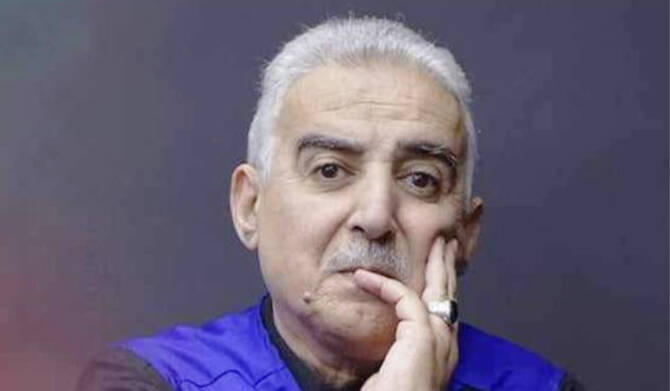
A prominent Tunisian journalist has been detained after publishing criticism of the country’s judiciary, in a case that has drawn renewed attention to growing concerns over press freedom and political pressure on the media in Tunisia.
According to his lawyer, the journalist Zied Heni was arrested following the publication of an article and related commentary in which he criticized judicial decisions and conduct. The public prosecutor ordered his detention, though authorities have not yet publicly disclosed formal charges.
The Tunisian Journalists’ Syndicate described the arrest as arbitrary and said it was intended to intimidate journalists, warning that the case reflects a broader pattern of increasing restrictions on free expression. Press freedom groups have similarly expressed concern that legal mechanisms are being used to penalize opinion-based journalism.
Rights organizations and observers link the incident to wider political developments in Tunisia since 2021, when President Kais Saied consolidated executive power, dissolved parliament, and began ruling by decree. Critics argue that these changes have weakened institutional checks and reduced protections for independent media and the judiciary.
Authorities have previously defended their actions as necessary to combat corruption and restore state stability, while maintaining that constitutional rights remain intact. However, journalists and civil society groups argue that the legal environment has become increasingly restrictive, particularly for those covering governance, the judiciary, and public affairs.
The detention comes against a backdrop of multiple arrests and prosecutions involving opposition figures, activists, and media professionals in Tunisia over recent years. Human rights groups say these cases collectively signal a narrowing space for dissent and an expanding use of judicial proceedings to manage critical voices.
Press freedom advocates warn that prosecuting journalists for critical commentary on state institutions risks undermining public trust in the judiciary and discouraging investigative reporting. They have called for due process guarantees and clearer safeguards to ensure that journalists can report on matters of public interest without fear of detention or prosecution.
As the case proceeds, it is likely to remain a focal point in ongoing debates over media independence and democratic governance in Tunisia, particularly as scrutiny intensifies over the balance between state authority and freedom of expression.
Reference –
https://www.arabnews.com/node/2641196/middle-east
https://www.straitstimes.com/world/tunisian-journalist-detained-after-criticising-judiciary-lawyer-says
https://www.internazionale.it/ultime-notizie-reuters/2026/04/24/tunisian-journalist-detained-after-criticising-judiciary-lawyer-says