
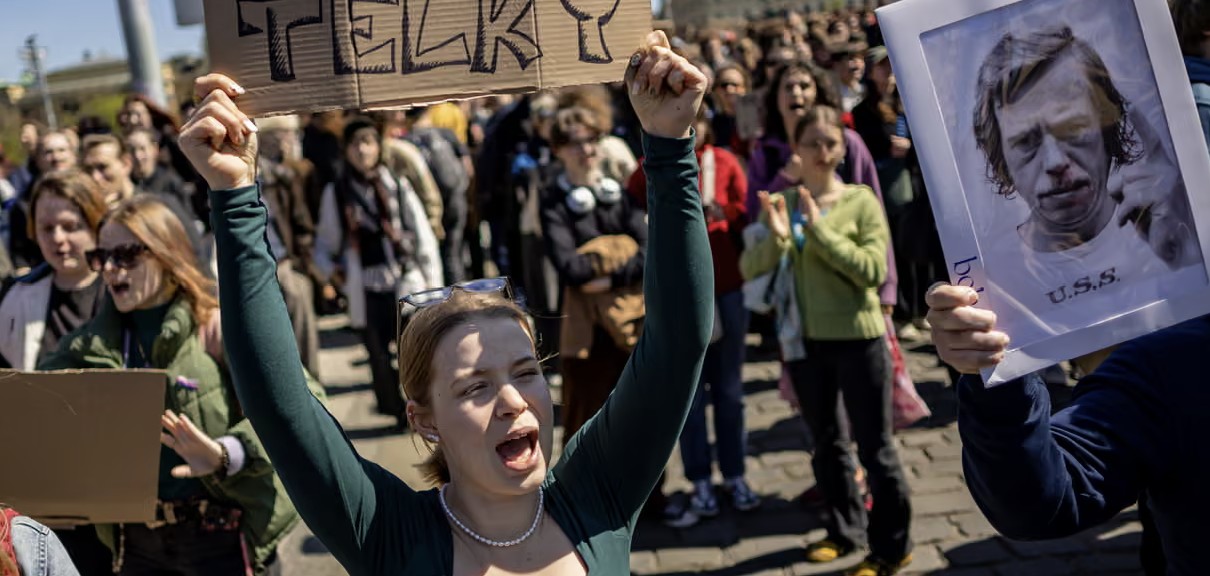
Czech Journalists Threaten Strike Over Government Plan to Scrap Licence Fees and Shift Public Media Under State Budget Control
April 24, 2026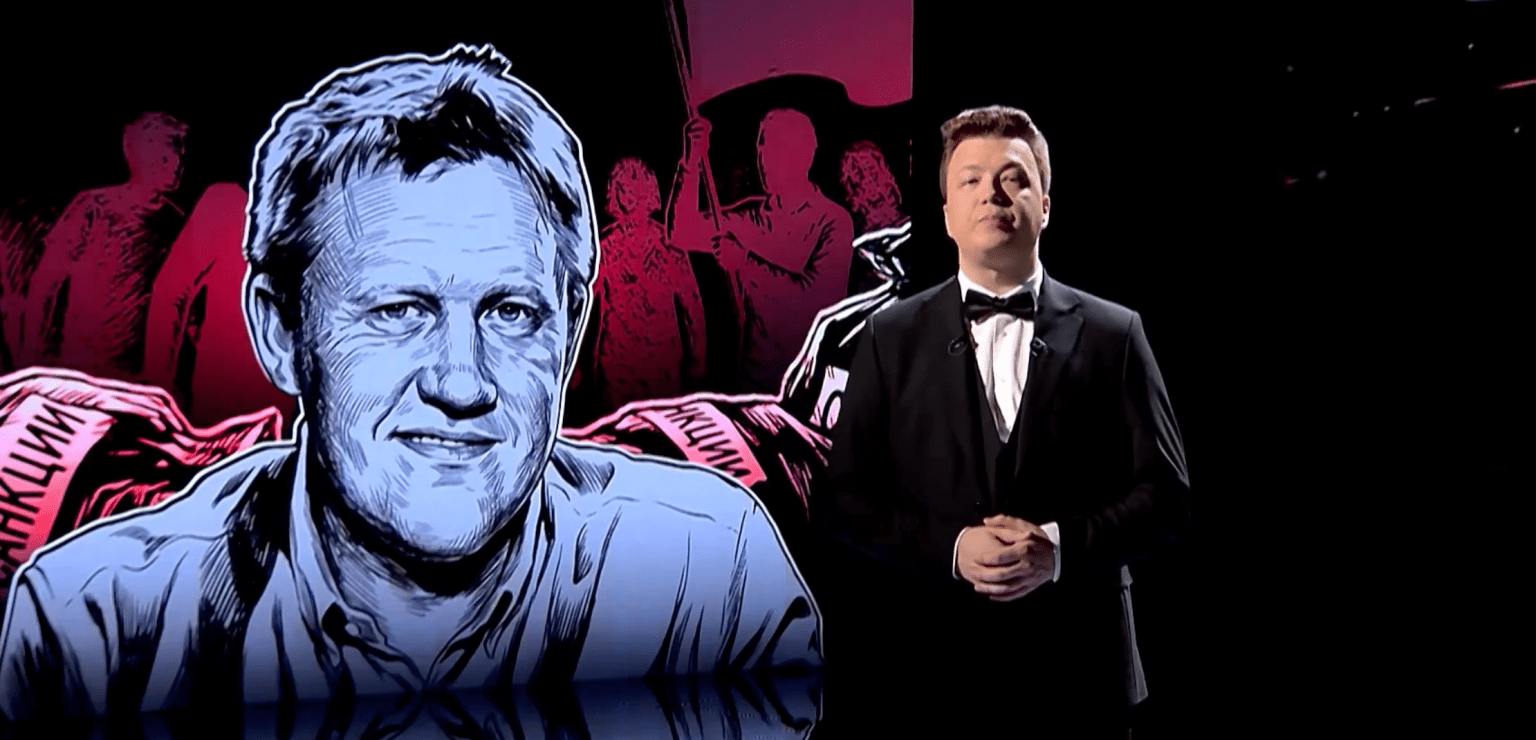
Exiled Belarusian Investigative Journalist Targeted Through State Media Surveillance and Public Doxxing Campaign
April 25, 2026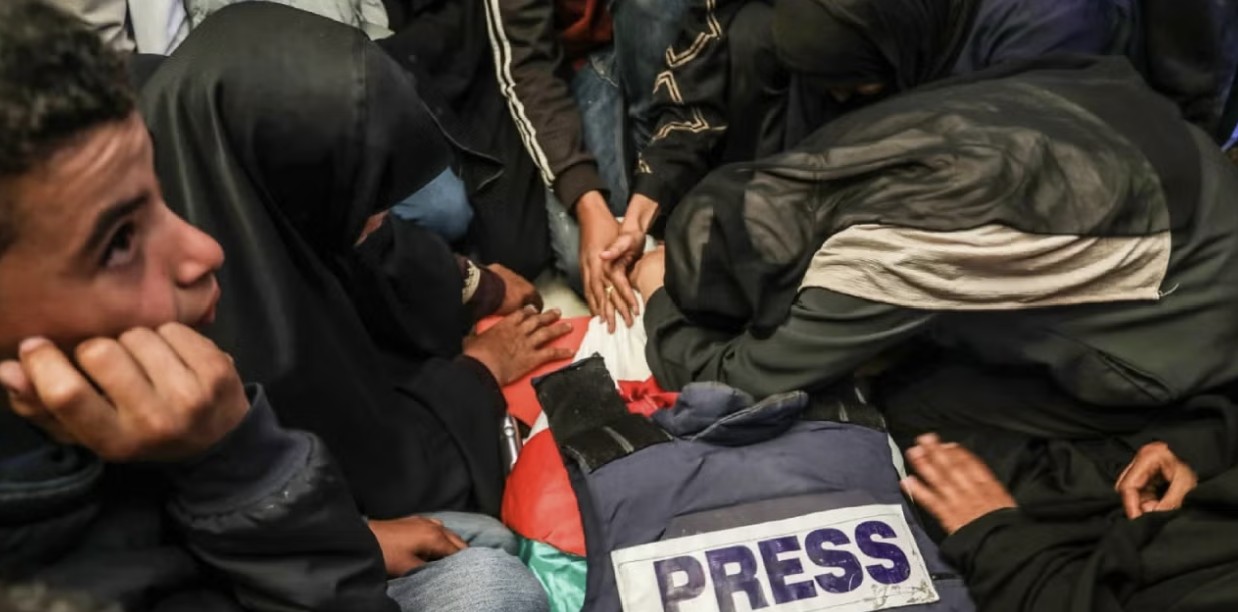
April 25, 2026 – Palestine/Lebanon –
Veteran war correspondent Christina Lamb has raised urgent concerns about the safety of journalists covering the conflicts in Gaza, Israel, and Lebanon, warning that media workers are increasingly being treated as deliberate targets rather than protected civilians. Her remarks reflect a growing alarm within the journalism community over the changing nature of modern warfare and its impact on press freedom.
Lamb highlighted that traditional markers of journalistic identity, including press vests and clearly labeled equipment, no longer guarantee protection. Instead, she noted that such identifiers may now increase risk, signaling a shift in how journalists are perceived on the battlefield. This development challenges long-standing international norms that recognize journalists as civilians entitled to protection under humanitarian law.
Her warning comes amid a sharp rise in journalist casualties linked to the ongoing regional conflicts. Recent incidents include the killing of Lebanese journalist Amal Khalil during an Israeli airstrike while reporting in southern Lebanon, as well as multiple fatalities among Palestinian journalists in Gaza. These cases have intensified scrutiny of military conduct and the extent to which journalists are being exposed to targeted or indiscriminate violence.
Data from press freedom organizations further underscores the severity of the situation. The Committee to Protect Journalists has documented record numbers of journalist deaths in recent years, with a significant proportion occurring in the Israel-Gaza conflict. Observers argue that the scale and frequency of these incidents point to systemic risks rather than isolated events.
Lamb’s assessment situates these developments within a broader transformation of conflict reporting. As wars become more technologically advanced and politically complex, journalists are increasingly operating in environments where frontlines are blurred and civilian spaces are routinely affected. This has made the act of reporting itself more dangerous, even for experienced correspondents.
The implications extend beyond individual safety. Media advocates warn that if journalists are unable to operate securely, the global flow of information from conflict zones may be severely compromised. Reduced coverage can limit accountability and obscure the realities of war for international audiences.
Lamb’s remarks have therefore been interpreted as both a warning and a call to action. As conflicts continue across Gaza, Israel, and Lebanon, press freedom groups are urging renewed efforts to enforce international protections for journalists and to ensure that reporting from war zones does not come at the cost of becoming a target.
Reference –
https://pressgazette.co.uk/news/christina-lamb-journalists-targeted-war-israel-gaza-lebanon/


