

NFL Declines Probe as Reporter Resigns Following Resort Photo Controversy Involving Coach and Media Ethics Concerns
April 19, 2026
Exiled Voices Under Fire in Britain
April 19, 2026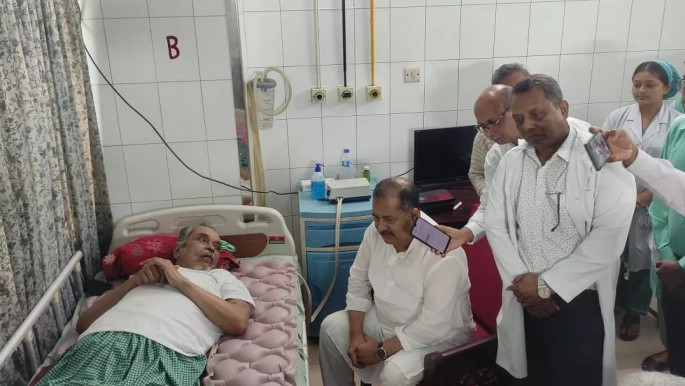
April 19, 2026 – Bangladesh –
The government of Bangladesh is working to introduce a retirement allowance for senior journalists, a move aimed at addressing long-standing concerns over financial insecurity within the profession. The announcement was made by Zahir Uddin Swapon, the country’s Information and Broadcasting Minister, during a visit to an ailing journalist in Dhaka.
According to the minister, the initiative seeks to ensure that journalists can maintain dignity and financial stability in their later years. He acknowledged that despite journalism being widely regarded as a cornerstone of democratic society, many practitioners face economic hardship after retirement due to a lack of structured benefits or institutional protections.
The proposed allowance forms part of broader efforts by the government to strengthen support systems for media professionals. Officials indicated that policy work is ongoing, with plans to integrate the scheme into existing welfare frameworks, including enhancements to the Journalists Welfare Trust.
The issue of financial vulnerability among senior journalists has been described as persistent and often overlooked. Many journalists spend decades in the profession without access to pensions or long-term financial planning mechanisms, leaving them dependent on ad hoc assistance or personal savings later in life. The minister emphasized that addressing this gap is essential to recognizing journalism as both a public service and a sustainable career path.
During the visit, the government also provided immediate financial assistance to the hospitalized journalist through the welfare trust, underscoring the urgency of the issue. Officials framed the gesture as part of a wider commitment to supporting journalists not only during their active careers but also after retirement.
The proposal has broader implications for the media landscape in Bangladesh. Observers note that introducing a formal retirement allowance could help improve job security and attract new talent to the profession, particularly in a context where economic uncertainty has historically discouraged long-term careers in journalism.
While details of the scheme, including eligibility criteria and funding mechanisms, have yet to be finalized, the announcement signals a policy shift toward institutional recognition of journalists’ welfare. If implemented effectively, the initiative could mark a significant step in strengthening the social and economic protections available to media workers in Bangladesh.
Reference –