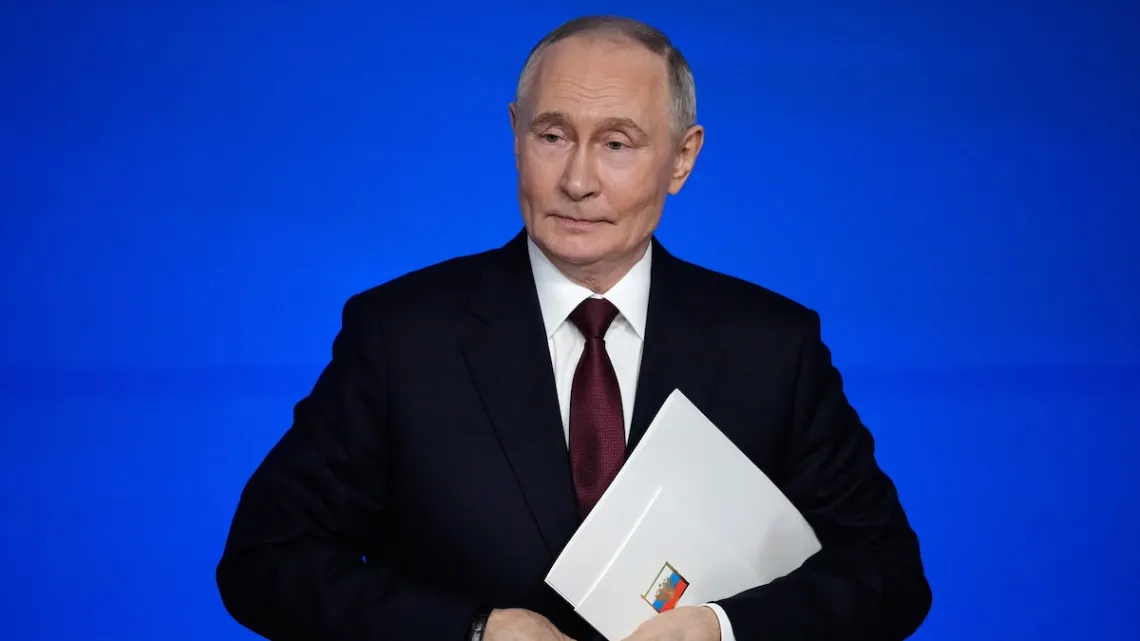

Kuwait Detains Journalist Ahmed Shihab-Eldin Amid Escalating Crackdown Over War Reporting
April 15, 2026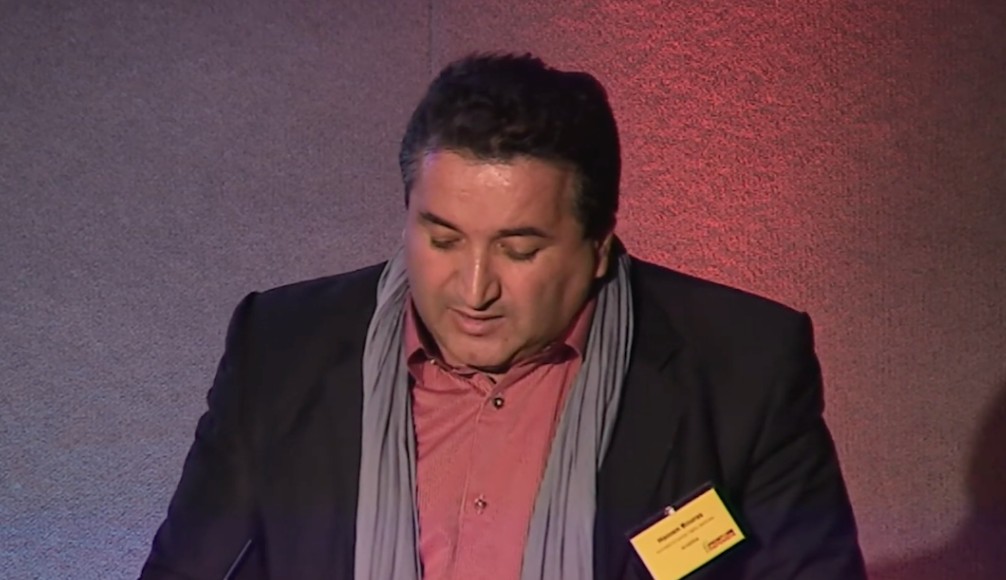
Algeria Re-Arrests Journalist Hassan Bouras Amid Renewed Pressure on Independent Voices
April 16, 2026
April 16, 2026 – Italy –
Italian journalists have launched renewed strike action in protest against an unresolved national labour contract dispute that has remained unresolved for around a decade, with unions warning that deteriorating working conditions, falling real wages, and unresolved regulatory issues are threatening the stability of the profession. The action has been organized by the National Federation of the Italian Press (FNSI), which represents journalists across the country.
According to reporting, the collective contract governing Italian journalism expired roughly ten years ago and has not been updated despite repeated rounds of negotiations. Journalists argue that wages have lost significant purchasing power due to inflation, with estimates suggesting a decline of around 20 percent in real terms over the period of stagnation.
The union has called strike days, including actions scheduled for March 27 and April 16, as part of a broader escalation aimed at pressuring publishers to resume meaningful negotiations. The dispute has been framed not only as an economic issue but also as a structural concern about the future of journalism in Italy, particularly in relation to job security, freelance precarity, and newsroom staffing reductions.
A central point of contention in the negotiations is the growing role of artificial intelligence in news production. Journalists’ representatives have raised concerns that publishers are not introducing clear contractual safeguards governing the use of AI in newsrooms, raising fears that automated systems could replace human reporting roles or reduce editorial standards.
The dispute also reflects deeper tensions between media workers and publishers over structural reforms, including proposals for more flexible employment categories and changes that unions argue could weaken existing labour protections. Journalists contend that such changes risk creating a two-tier workforce with reduced rights for newer entrants to the profession.
Beyond labour issues, the strike has also been connected to broader concerns about press freedom. Union leaders and press advocates argue that the conditions of employment for journalists are directly linked to editorial independence, warning that weakened labour protections could ultimately affect the ability of reporters to work without pressure or influence.
In South Tyrol, analysis of the dispute highlights how the strike reflects wider structural pressures on regional journalism ecosystems, including financial fragility and changing audience consumption patterns, which are reshaping how news organizations operate and sustain themselves.
Overall, the ongoing industrial action underscores a prolonged standoff between Italian journalists and publishers, with unresolved contract negotiations, technological disruption, and concerns about the long-term viability of the profession converging into one of the most significant labour disputes in the country’s media sector in recent years.
Reference –
https://www.eurac.edu/en/blogs/midas/what-italys-journalists-strike-reveals-about-south-tyrol