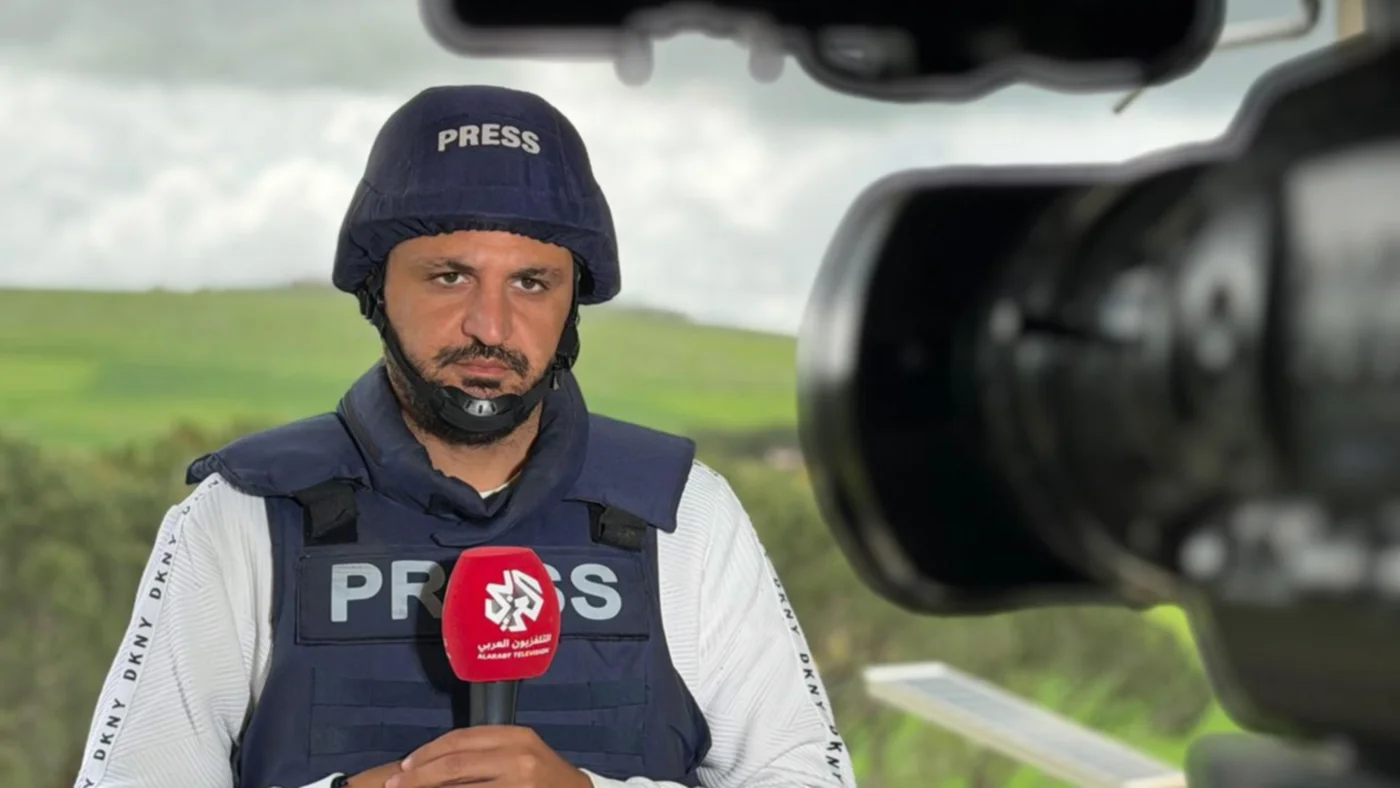
Journalists working in southern Lebanon are facing extreme and often life-threatening conditions as they continue to report on the ongoing conflict, with many saying their work has become a struggle for survival as much as a profession. Reporters on the ground describe an environment where covering events is inseparable from the constant danger posed by airstrikes, surveillance, and shifting frontlines.
According to accounts from journalists in the region, the journey to southern Lebanon itself carries significant risk, with roads and towns frequently targeted. Once in the field, reporters operate under the threat of sudden bombardment, often without adequate protective equipment or institutional support. Many have emphasized that their role has evolved beyond documenting war to enduring it alongside the communities they cover.
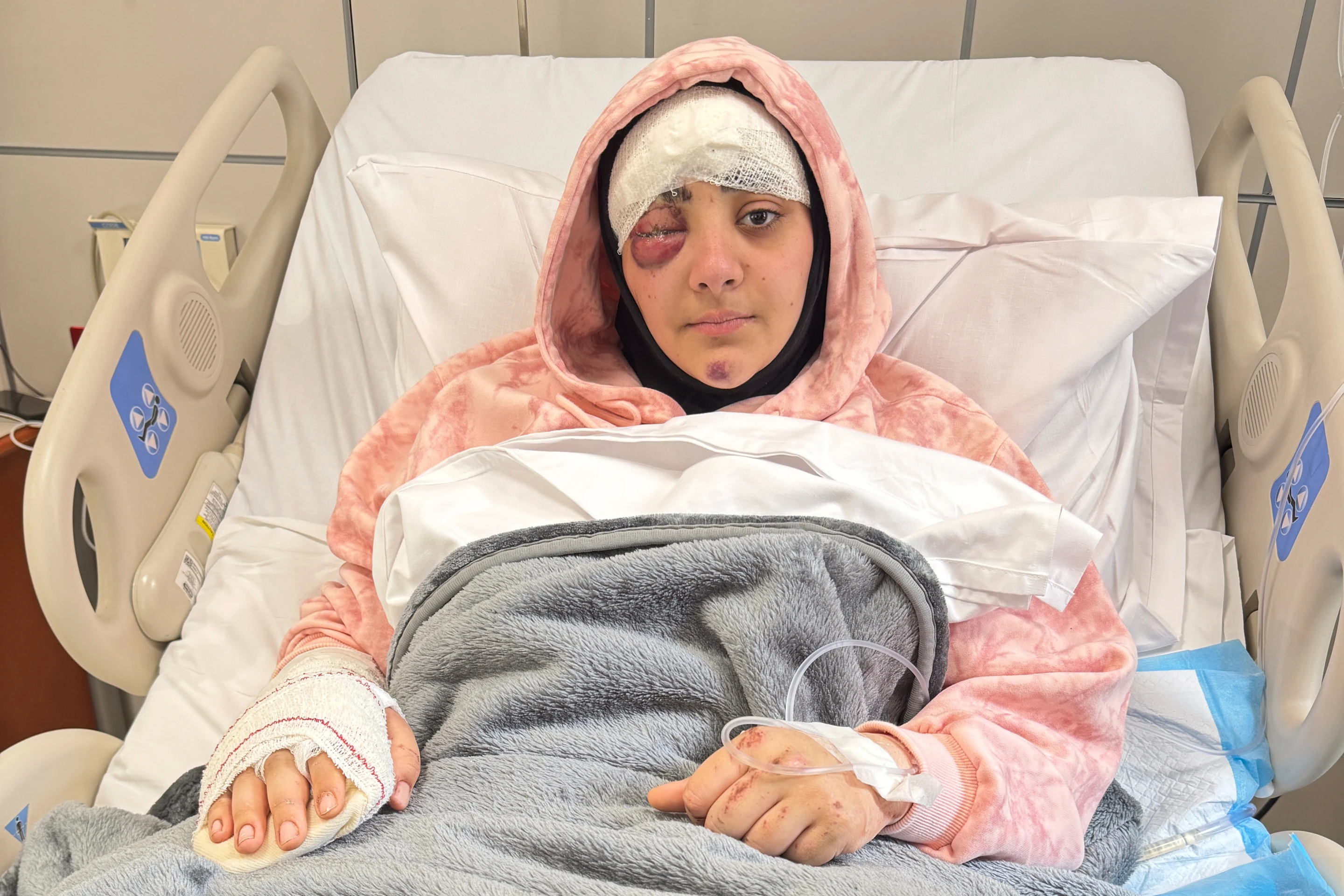
The risks are not theoretical. Recent escalations have seen multiple journalists killed in Israeli strikes across Lebanon, reinforcing fears that media workers are increasingly exposed to direct harm. Press crews have reported incidents where clearly marked vehicles and equipment did not prevent attacks, raising concerns about the effectiveness of international protections for journalists in conflict zones.
Local reporters also highlight the psychological toll of their work. Many continue reporting while coping with personal loss, displacement, and the destruction of their own communities. In some cases, journalists have lost family members or homes while remaining on assignment, blurring the line between observer and victim.
Despite these conditions, journalists persist in documenting the realities of war, driven by a sense of duty to bear witness. Their reporting provides critical insight into the human impact of the conflict, often serving as one of the few sources of information from affected areas. However, the growing dangers have led to increasing concern among press freedom advocates, who warn that the continued targeting and endangerment of journalists could severely limit independent reporting from the region.
The situation in southern Lebanon reflects a broader pattern seen in conflict zones, where journalists face mounting risks while attempting to inform the public. As violence intensifies, calls are growing for stronger international protections to ensure that reporters can carry out their work without facing disproportionate threats to their lives.
Reference –
https://www.middleeasteye.net/news/south-lebanon-we-dont-just-cover-war-we-try-survive-reporting-it