Environmental Journalists Navigate Rising Risks in a Changing Media Landscape
March 12, 2026
RSF Releases Drone Safety Guide for Journalists Reporting in Ukraine
March 31, 2026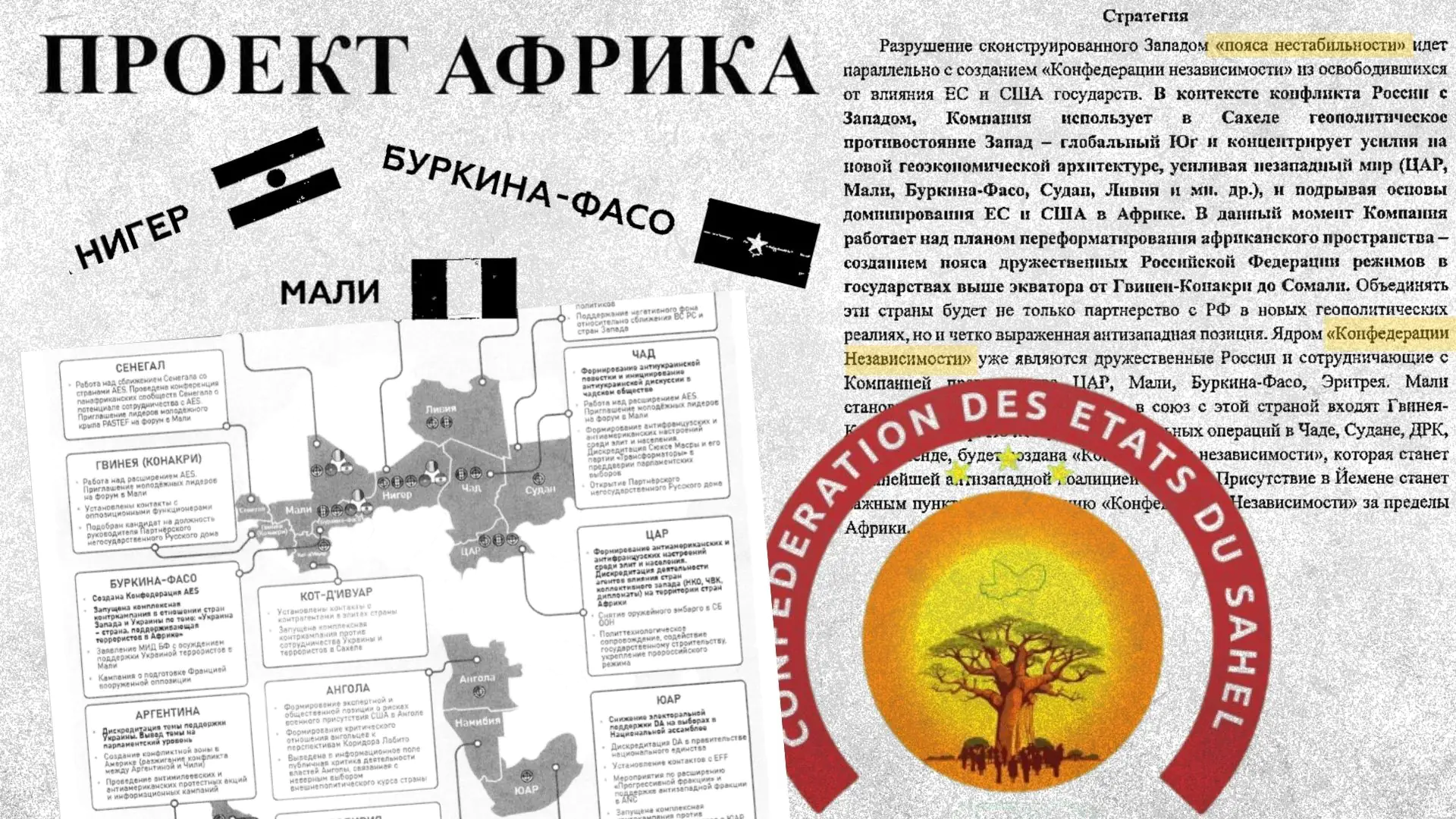
A new cross-border investigation by Forbidden Stories has exposed the depth of Russian influence operations across the Sahel, revealing how journalists, activists, and civil society organizations have increasingly become targets in a wider campaign to reshape political narratives, weaken democratic space, and consolidate pro-Moscow influence in West Africa. The findings offer a stark illustration of how information warfare is now intersecting directly with press freedom and civic life in one of the world’s most politically fragile regions.
According to the investigation, a network internally referred to as “The Company” has been working to cultivate influence across countries, including Mali, Burkina Faso, Niger, and Chad. The operation allegedly relies on tactics ranging from media manipulation and covert recruitment to the infiltration of activist circles and nongovernmental organizations. Rather than limiting its efforts to state institutions or military alliances, the network appears to have treated journalists and civil society actors as strategic pressure points capable of shaping public opinion and legitimizing geopolitical realignment away from Western partners.
One of the report’s most significant findings concerns efforts to recruit or pressure journalists into amplifying pro-Russian narratives. Forbidden Stories documented cases in which media workers were allegedly approached with offers of money, cooperation, or access in exchange for favorable coverage. In some cases, these interactions reportedly came through intermediaries posing as journalists or cultural figures rather than overt political operatives. The investigation suggests that such tactics were designed not only to spread propaganda but also to blur the line between independent journalism and orchestrated influence campaigns.
The report also points to attempts to penetrate civic and activist spaces, including organizations committed to democracy and public accountability. These efforts appear aimed at steering grassroots discourse toward anti-Western and pro-Russian messaging while undermining the credibility of independent actors who challenge authoritarian drift. In that sense, the investigation frames the Sahel not simply as a battleground for military or diplomatic competition, but as a contested information environment in which journalists and civil society are being deliberately targeted.
Taken together, the findings present a broader warning: in regions facing coups, insecurity, and institutional collapse, attacks on press freedom may no longer come only through censorship or violence, but also through covert influence, co-option, and disinformation networks designed to capture the public sphere from within.
Reference –
In the Sahel, journalists, activists and NGOs in the crosshairs of Russian agents from “The Company”