
Report Warns of Rising Wave of Journalist Abductions in 2026
March 14, 2026
Press Freedom Groups Warn of Escalating Attacks on Journalists in Zimbabwe
March 14, 2026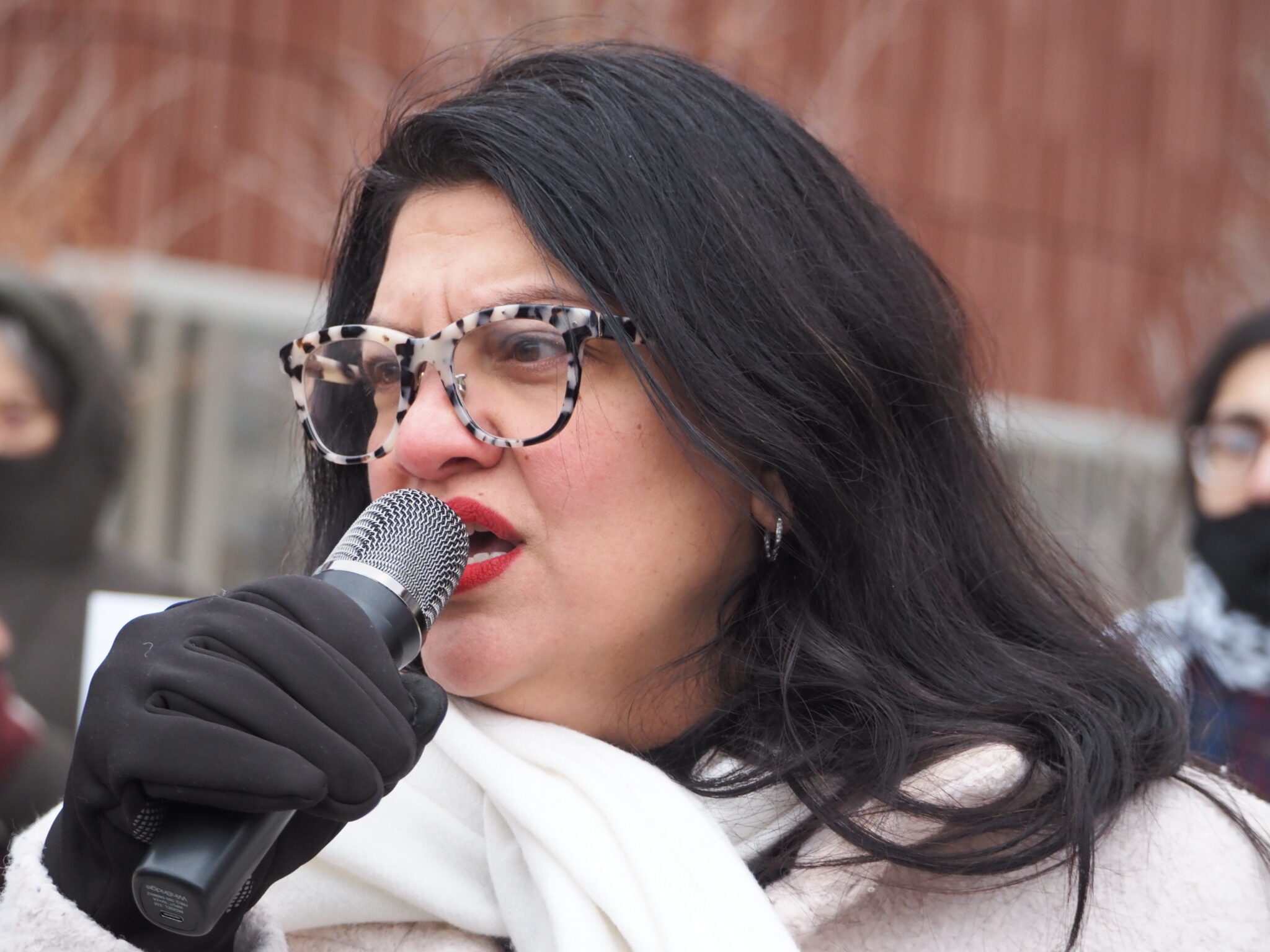
March 14, 2026 – USA –
A United States lawmaker has introduced new legislation aimed at strengthening protections for journalists and whistleblowers by reforming the country’s century-old Espionage Act. The proposal seeks to prevent the law from being used to prosecute individuals who disclose information in the public interest or report on government misconduct.
Congresswoman Rashida Tlaib unveiled the measure in the U.S. House of Representatives, naming it the Daniel Ellsberg Press Freedom and Whistleblower Protection Act. The bill is intended to limit how the Espionage Act can be applied and to ensure it cannot be used against journalists, publishers, or members of the public who reveal government wrongdoing.
The proposed legislation is named after Daniel Ellsberg, the former military analyst who leaked the Pentagon Papers in 1971, exposing previously hidden information about the United States’ involvement in the Vietnam War. His case has long been cited as a defining example of whistleblowing in the public interest and the legal risks faced by those who disclose classified information.
Supporters of the bill argue that the Espionage Act, originally enacted during World War I, has increasingly been used to pursue whistleblowers and individuals who share sensitive information with journalists. Critics say the law lacks adequate safeguards for press freedom and does not allow defendants to argue that their disclosures served the public interest.
Under Tlaib’s proposal, the Espionage Act would be narrowed so that it primarily applies to foreign agents and government officials with a legal duty to protect classified information. The bill would also introduce stronger due process protections for whistleblowers and require prosecutors to demonstrate that a person intentionally sought to harm the United States or assist a foreign power before pursuing charges.
Advocates for press freedom say such reforms are necessary to prevent journalists and their sources from being targeted for exposing government misconduct, including issues related to war, surveillance, and human rights violations. The legislation would also establish a “public interest defense,” allowing individuals accused under the Espionage Act to argue that their actions were intended to inform the public rather than harm national security.
The proposal has drawn attention from media freedom organizations and civil liberties groups, who say the current legal framework poses risks for investigative reporting. If adopted, supporters believe the reforms could significantly reshape how national security laws intersect with journalism and whistleblowing in the United States.
Reference –
https://tlaib.house.gov/posts/tlaib-introduces-bill-to-protect-whistleblowers-and-journalists