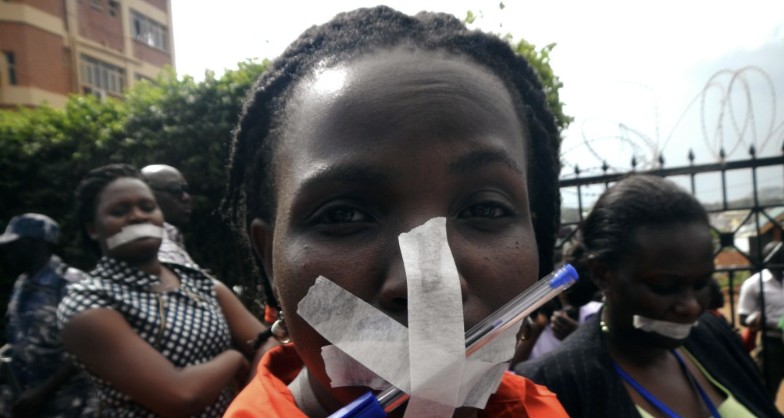
Journalists reporting on the armed conflict in eastern Democratic Republic of the Congo (DRC) have faced detention, intimidation, and media takeovers by armed groups, raising serious concerns about press freedom in the region. Media rights advocates warn that the escalating violence has created an increasingly dangerous environment for reporters attempting to cover the ongoing war.
According to the Committee to Protect Journalists (CPJ), both government forces and rebel groups have detained journalists in recent months while attempting to control the flow of information about the fighting. Some reporters have been arrested or interrogated because they covered military operations and security developments in conflict-affected areas of North Kivu province.
One of the most prominent incidents involved journalist Steves Paluku Mbusa, who was detained by the M23 rebel group while reporting from the city of Goma. The journalist was questioned by rebel fighters about his reporting before eventually being released. Press freedom groups say the detention reflects the broader risks journalists face when covering military developments in areas where armed groups seek to tightly manage public narratives about the conflict.
In addition to detentions, armed groups have reportedly taken control of several broadcasting facilities in the region. Rebel forces have occupied local radio and television stations and attempted to use them to disseminate their own messaging. Such actions have disrupted independent reporting and limited the ability of journalists to provide accurate information about events on the ground.
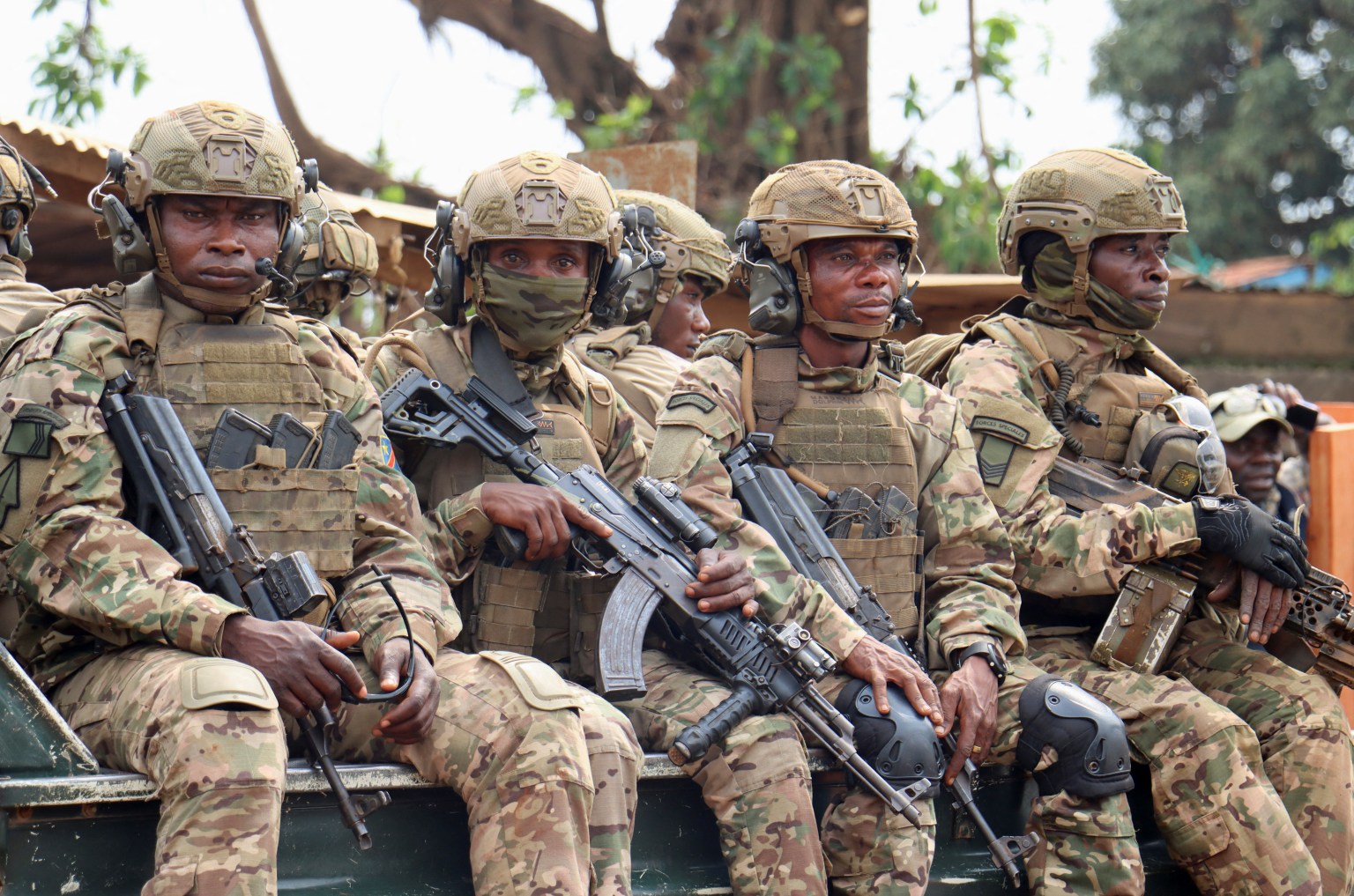
CPJ has warned that journalists in eastern DRC are operating under extremely difficult conditions as fighting intensifies between the Congolese army and rebel groups. Reporters frequently face threats, surveillance, and harassment from multiple parties involved in the conflict. These pressures have forced some journalists to practice self-censorship or temporarily suspend reporting on sensitive security issues.
Media advocates say the situation reflects a broader pattern in which armed actors attempt to dominate the narrative of war by restricting independent coverage. By detaining journalists or seizing media outlets, warring parties can shape how the conflict is portrayed to the public and reduce scrutiny of their actions.
Press freedom organizations are urging all sides involved in the conflict to respect journalists’ rights and allow reporters to carry out their work safely. They stress that independent reporting is essential for documenting developments in the region and ensuring that the public receives reliable information about the ongoing crisis.
Reference –
Journalists in eastern DRC detained over war coverage, broadcasters occupied