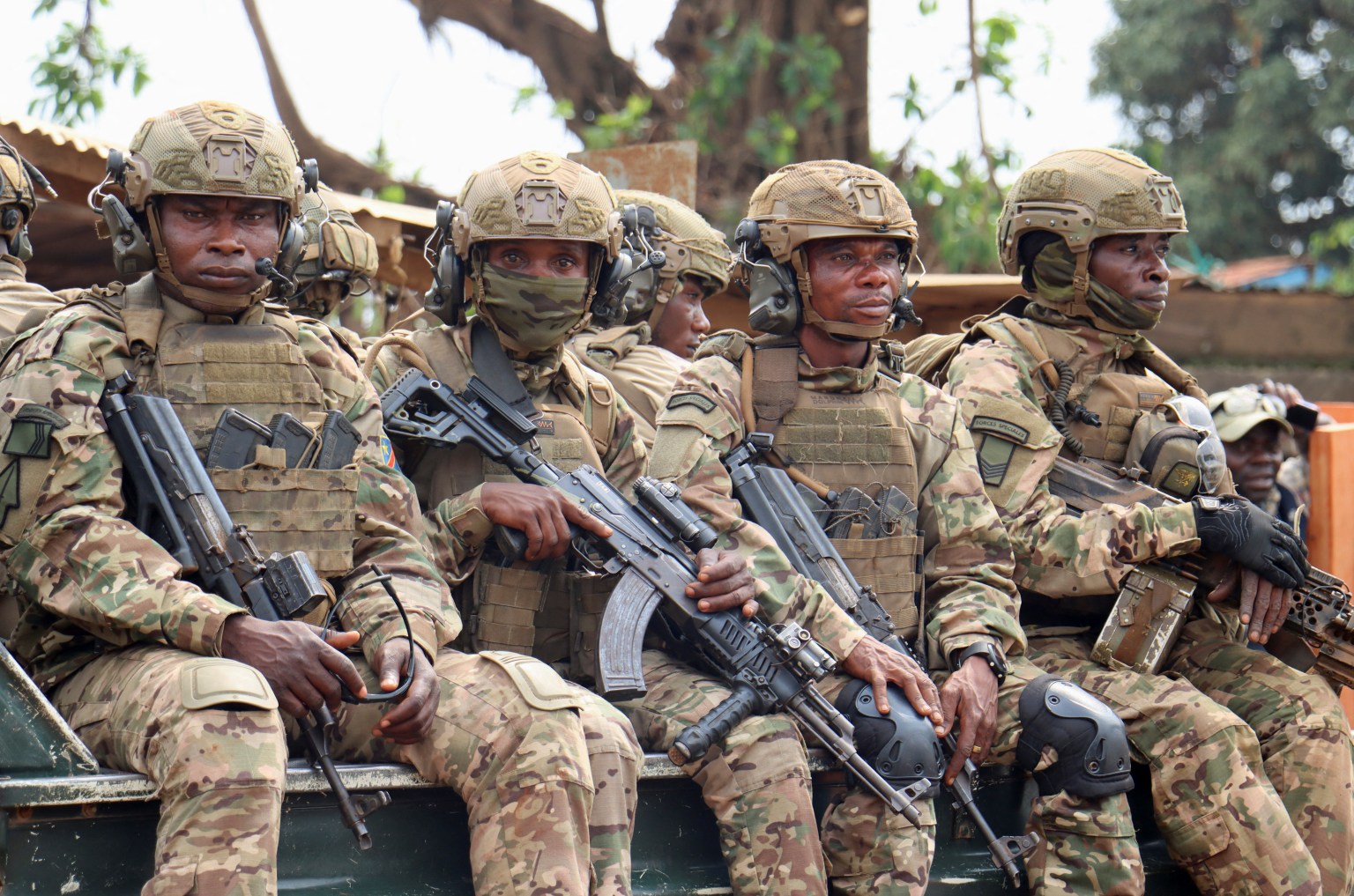
Journalists Detained and Broadcasters Seized Amid Conflict in Eastern DRC
March 12, 2026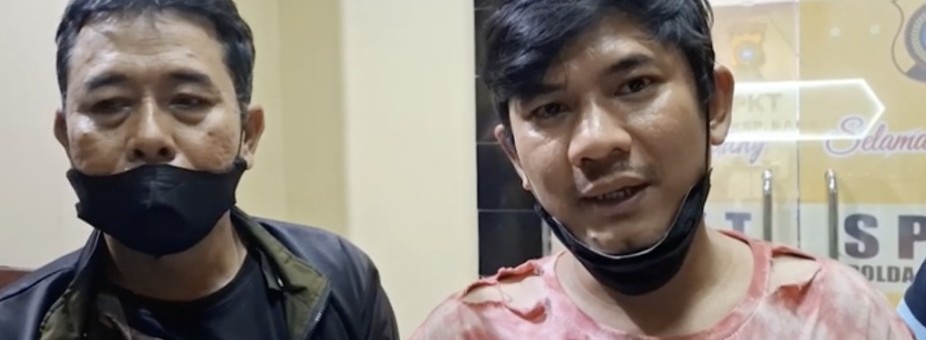
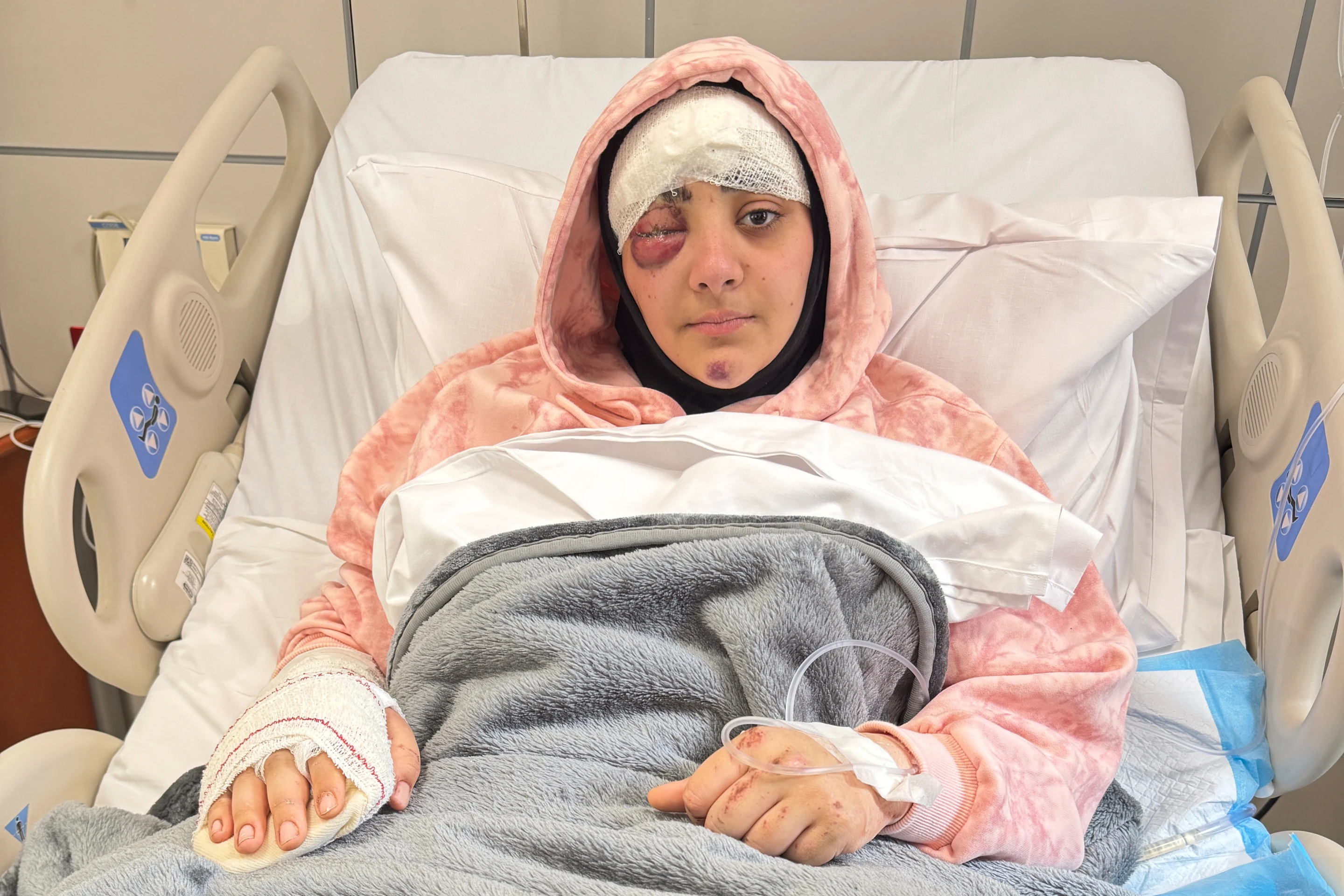
Indonesian Journalists Assaulted While Reporting on Mineral Processing Plant
March 12, 2026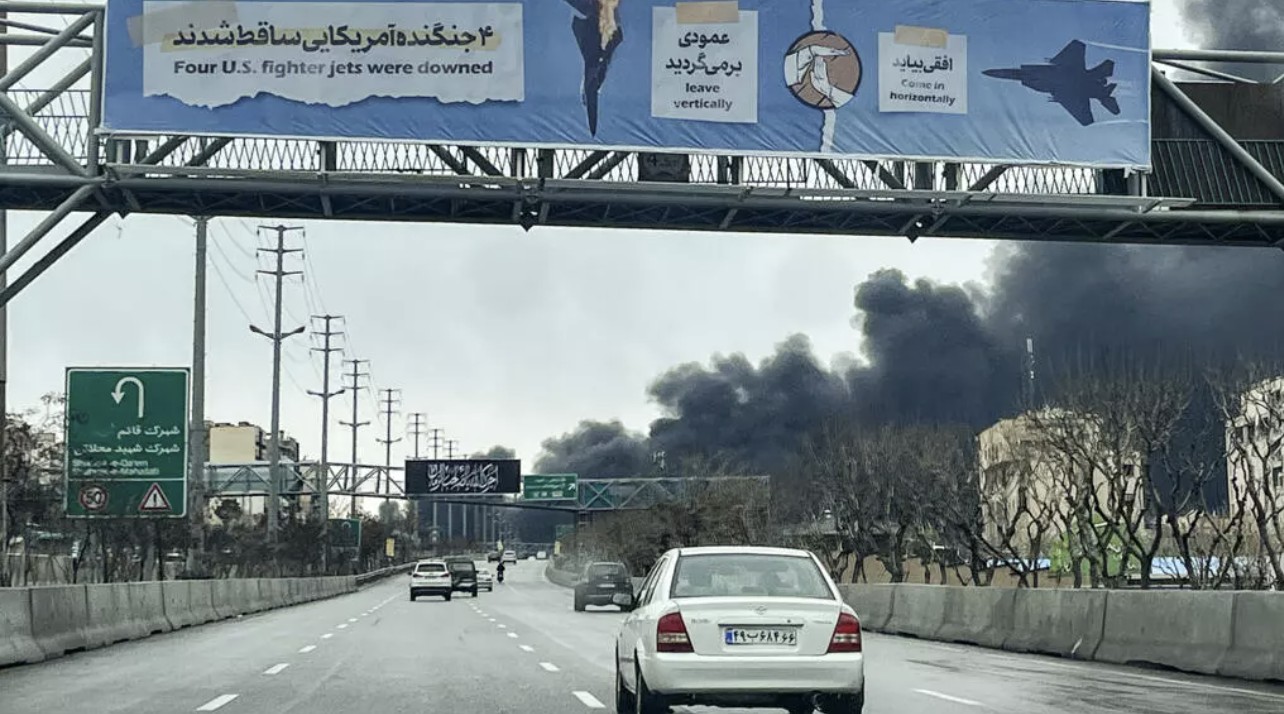
March 12, 2026 – MEA –
Journalists covering the ongoing conflict in the Middle East are encountering growing obstacles, including detention, censorship measures, and restrictions on access to key locations, according to reports by press freedom organizations and international media outlets.
A report highlighted by France 24 noted that governments across the region have imposed tighter controls on media coverage of the war, citing national security concerns and the need to manage sensitive information during military operations. These measures have limited reporters’ ability to independently verify events or access affected areas.
The International Federation of Journalists (IFJ) warned that mounting restrictions are raising concerns about attempts to control the narrative surrounding the conflict. The organization said that while governments may impose certain measures during wartime, the growing number of reporting limits risks undermining press freedom and preventing independent scrutiny of military actions.
In several countries, journalists have faced direct legal consequences while covering the conflict. Some reporters have been detained or questioned by authorities after publishing information related to military operations, while others have encountered restrictions on movement or access to conflict-affected zones.
Authorities in parts of the region have also introduced censorship rules requiring media outlets to obtain official approval before publishing certain details about military activity. Such regulations often limit the reporting of troop movements, damage assessments, or the impact of missile strikes, particularly when these incidents involve sensitive infrastructure or national security considerations.
Press freedom advocates say these restrictions contribute to an increasingly difficult environment for journalists attempting to report on the war. Limited access to official information, combined with security restrictions on filming or visiting certain areas, can make it challenging for reporters to verify facts independently.
In addition to formal restrictions, journalists have reported facing threats, harassment, and pressure from political actors or armed groups, further complicating coverage of the conflict. Media workers operating in highly polarized environments may face accusations of bias or disloyalty depending on how their reporting is interpreted.
Press freedom organizations emphasize that protecting journalists during armed conflicts is essential for maintaining transparency and accountability. Independent reporting allows the public to understand the humanitarian and political consequences of war and helps ensure that violations of international law are documented.
The IFJ called on governments and armed groups across the region to respect the rights of journalists and allow them to carry out their work safely and without interference. The organization stressed that access to reliable information is critical during wartime and that restricting journalists’ work can undermine public trust and democratic accountability.
Reference –