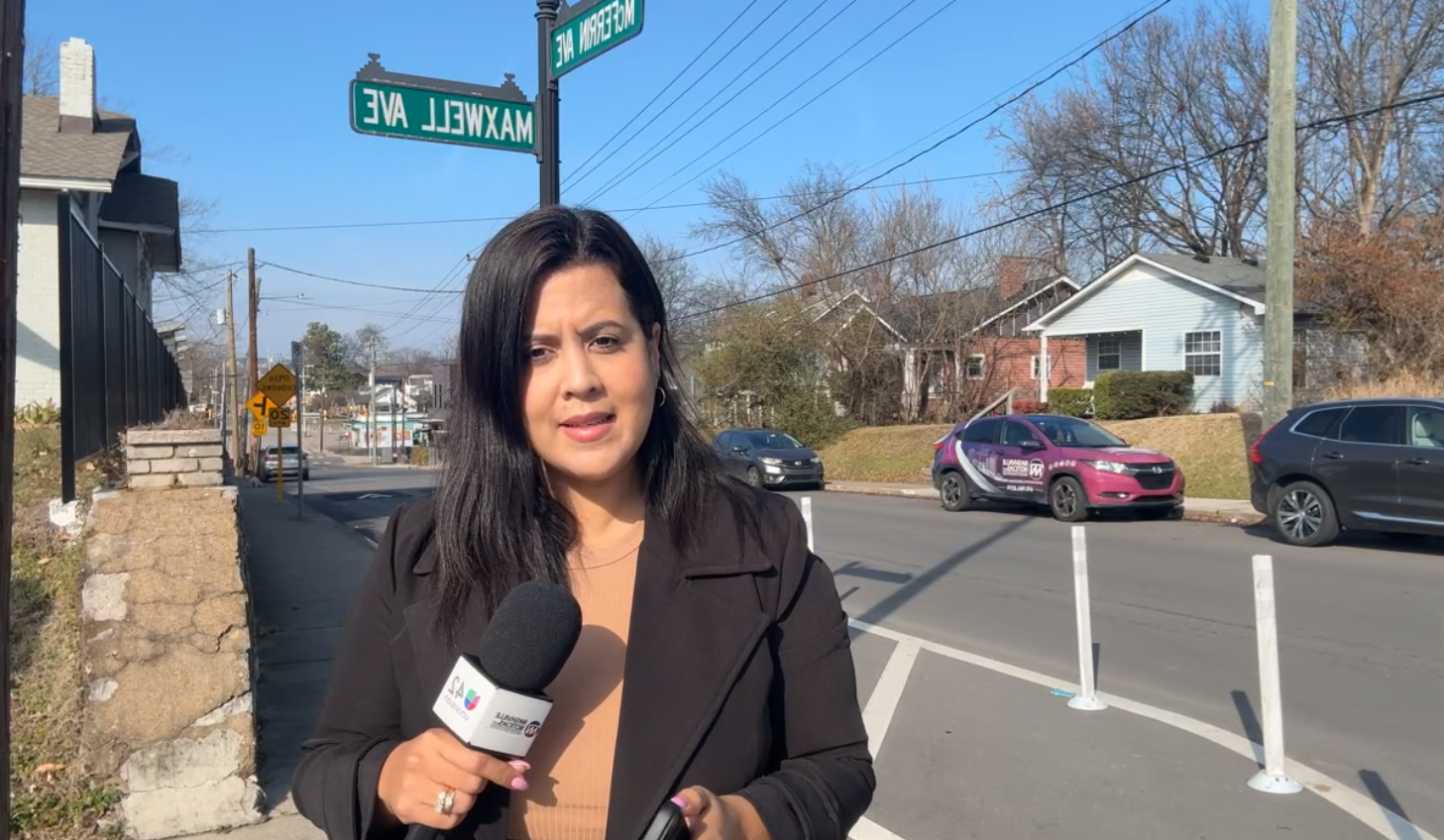
Federal Judge Orders U.S. Government to Justify ICE Detention of Nashville Journalist
March 9, 2026
Al Jazeera English Wins RTS Award for Breaking News Coverage
March 10, 2026
MADRID, SPAIN - NOVEMBER 13: The writer and journalist, Cristina Fallaras, poses during the presentation of her new book 'No publiques mi nombre', at the Ateneo La Maliciosa, on 13 November, 2024 in Madrid, Spain. Don't publish my name' collects the testimonies of dozens of women victims of sexual aggression. The book will be available in bookstores on November 20, although it is already available for pre-order in digital stores. (Photo By Carlos Lujan/Europa Press via Getty Images)
March 09, 2026 – Europe –
Press freedom organizations have warned that gender-based violence against women journalists in Europe is increasing, with new data showing a troubling rise in harassment, intimidation, and abuse targeting women working in the media sector.
The warning was issued by partners of the Media Freedom Rapid Response (MFRR) initiative, including the European Federation of Journalists (EFJ) and ARTICLE 19, in statements released to mark International Women’s Day 2026. The groups said their monitoring revealed a pattern of systematic gender-based attacks against women journalists across European Union member states and candidate countries.
According to the data compiled on the Mapping Media Freedom platform, at least 53 cases of gender-based violence against women media professionals were documented in 2025. These incidents included online smear campaigns, sexual harassment, threats of sexual violence, and misogynistic attacks targeting journalists’ appearance or personal lives.
The majority of these attacks occurred online, with about 59 percent taking place on social media or digital platforms. Researchers describe many of these incidents as technology-facilitated gender-based violence, where digital tools, messaging apps, and increasingly artificial intelligence are used to harass or discredit journalists.
Several cases highlighted in the report demonstrate how online harassment can escalate into offline threats. In one example, AI-generated nude images of two Italian journalists were circulated online to damage their credibility. In another case, a Spanish journalist working for the public broadcaster RTVE was subjected to cyber harassment after a photo of her was manipulated and widely shared on social media.
The report also documented incidents of offline intimidation and harassment, including threats delivered directly to journalists’ homes and attacks occurring during political rallies, demonstrations, or sporting events where reporters were working. One French journalist received a letter containing racist and misogynistic messages after enduring years of online harassment.
Researchers noted that the situation is particularly concerning in parts of the Balkans, where documented cases rose significantly. In 2025, 21 incidents were recorded in the region, up sharply from eight cases the previous year. Serbia recorded the highest number of incidents, reflecting a hostile climate for independent journalists.
Press freedom groups also warned that gender-based attacks are sometimes amplified by public officials and political actors, whose misogynistic rhetoric can legitimize harassment campaigns and undermine journalists’ credibility.
The organizations called on governments, the European Commission, and digital platforms to strengthen protections for women journalists. They stressed that gender-based violence against journalists is not merely a personal threat but a broader attempt to silence voices in the public sphere and restrict independent reporting.
Advocates argue that addressing these attacks requires stronger enforcement of safety measures, improved online platform regulation, and clearer accountability mechanisms to ensure that women journalists can work without fear of harassment or retaliation.
Reference –
https://ifex.org/gender-based-violence-against-journalists-in-europe-is-increasing/