A Kurdish journalist in Turkey has been indicted on terrorism-related charges stemming from his reporting and social media activity, in a case that press freedom advocates say reflects the continuing legal pressure faced by journalists covering Kurdish issues in the country.
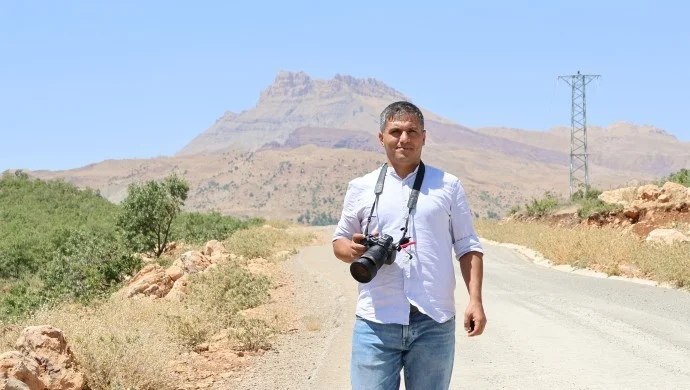
Prosecutors from the Şırnak Chief Public Prosecutor’s Office filed an indictment against journalist Nedim Oruç, who works for the pro-Kurdish Ajansa Welat news agency. Authorities accuse him of several offenses, including disseminating terrorist propaganda, concealing his identity during demonstrations, unlawful possession of dangerous materials, and obstructing the duties of public officials.
The case is largely based on Oruç’s news reports and social media posts, which prosecutors claim promoted the views of the Kurdistan Workers’ Party (PKK), an armed group that Turkey and several Western countries designate as a terrorist organization. The indictment reportedly cites his coverage of events and demonstrations linked to Kurdish political movements as evidence.
Media rights groups say such charges are frequently used against journalists reporting on Kurdish political issues or conflict-related developments in southeastern Turkey. In many cases, reporting on protests, political statements, or cultural events associated with Kurdish communities has been interpreted by authorities as support for banned organizations.
The indictment follows a broader pattern of legal action against journalists in Turkey. Press freedom organizations report that prosecutors often rely on anti-terrorism legislation and propaganda laws to investigate or prosecute reporters whose work covers sensitive political topics, particularly those related to Kurdish rights, security operations, or government policies.
Human rights groups warn that these prosecutions contribute to a climate of self-censorship and intimidation within the media sector. Journalists facing such charges can be subjected to lengthy trials and potential prison sentences even when the accusations are based on reporting or commentary published in the course of their professional work.
Turkey has faced repeated criticism from international press freedom organizations for its treatment of journalists. Over the past decade, numerous reporters have been detained, prosecuted, or imprisoned under national security laws, making the country one of the most restrictive environments for journalism in the region.
Observers say the case against Nedim Oruç illustrates the ongoing tension between Turkey’s anti-terrorism policies and the protection of press freedom, particularly when reporting involves politically sensitive issues connected to the Kurdish conflict.
Reference –
Kurdish journalist indicted in Turkey over news reports, social media posts