Dutch intelligence agencies have warned that Russian state-backed hackers are carrying out a global cyber campaign aimed at accessing the Signal and WhatsApp accounts of journalists, government officials, and military personnel, raising concerns about digital security for individuals handling sensitive information.
The warning was issued by the Netherlands’ General Intelligence and Security Service (AIVD) and the Military Intelligence and Security Service (MIVD), which said the campaign targets high-profile individuals whose communications may contain valuable political or security-related information.
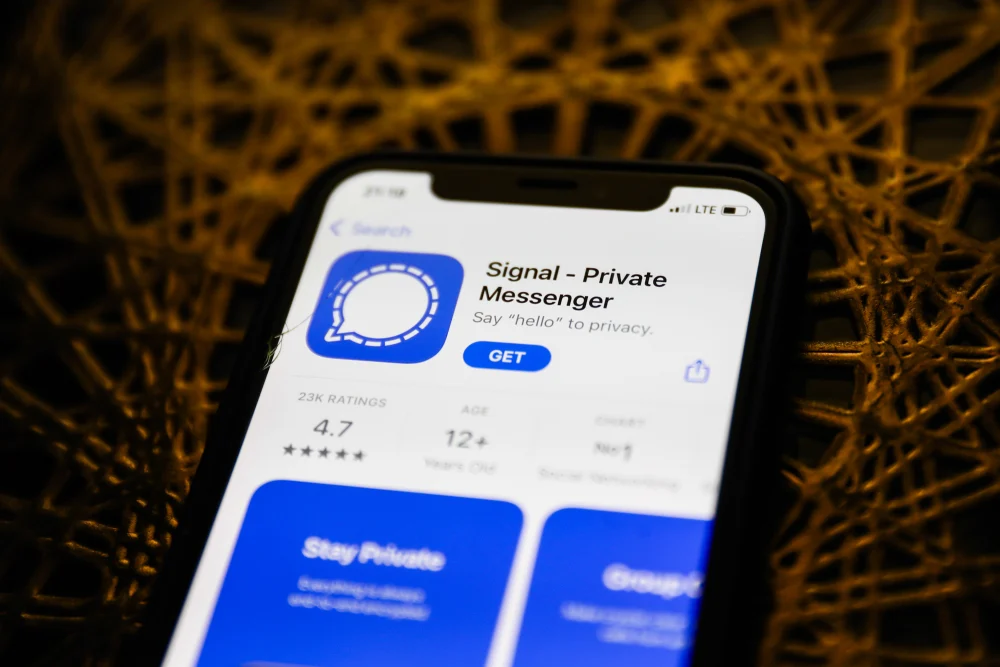
According to the agencies, the hackers are not exploiting vulnerabilities in the messaging apps themselves, which use end-to-end encryption. Instead, the attackers rely on phishing and social-engineering techniques designed to trick users into giving up their account verification codes or personal security PINs.
In one common tactic described by investigators, hackers pose as technical support staff or automated “Signal Support” bots, warning users that their accounts may have been compromised. Victims are then asked to share a verification code sent to their phone, allowing the attackers to register the account on another device and gain access to messages and contacts.
Another technique involves exploiting the “linked devices” feature available in both Signal and WhatsApp. By convincing victims to scan a QR code or click a malicious link, attackers can quietly connect their own device to the victim’s account, enabling them to monitor conversations without immediately alerting the user.
Dutch intelligence officials said the campaign has already targeted Dutch government employees and other individuals considered of interest to Russia, including journalists whose communications could reveal political or diplomatic information.
Authorities warned that some accounts may have already been compromised, potentially giving attackers access to confidential discussions and private group chats. The agencies advised users not to share verification codes or PINs and recommended avoiding these messaging platforms for transmitting classified or highly sensitive information.
The cyber campaign reflects a broader trend of state-linked digital espionage targeting journalists and officials, particularly those involved in political reporting, security policy, or international affairs. Experts note that social-engineering attacks remain effective because they exploit human behavior rather than technical flaws in software systems.
Security analysts say the warning highlights the growing importance of digital safety for journalists, whose communications can be valuable targets for surveillance, intelligence gathering, or influence operations in geopolitical conflicts.
Reference –
https://www.nbcnews.com/tech/security/signal-whatsapp-users-face-russian-phishing-push-dutch-warn-rcna262533
https://www.reuters.com/world/europe/russia-backed-hackers-breach-signal-whatsapp-accounts-officials-journalists-2026-03-09/
https://www.thehindu.com/sci-tech/technology/russia-backed-hackers-breach-signal-whatsapp-accounts-of-officials-journalists-netherlands-warns/article70724921.ece
https://www.computing.co.uk/news/2026/security/russian-hackers-targeting-journalists-and-officials-on-signal-and-whatsapp-dutch-agencies-warns?itc=refresh