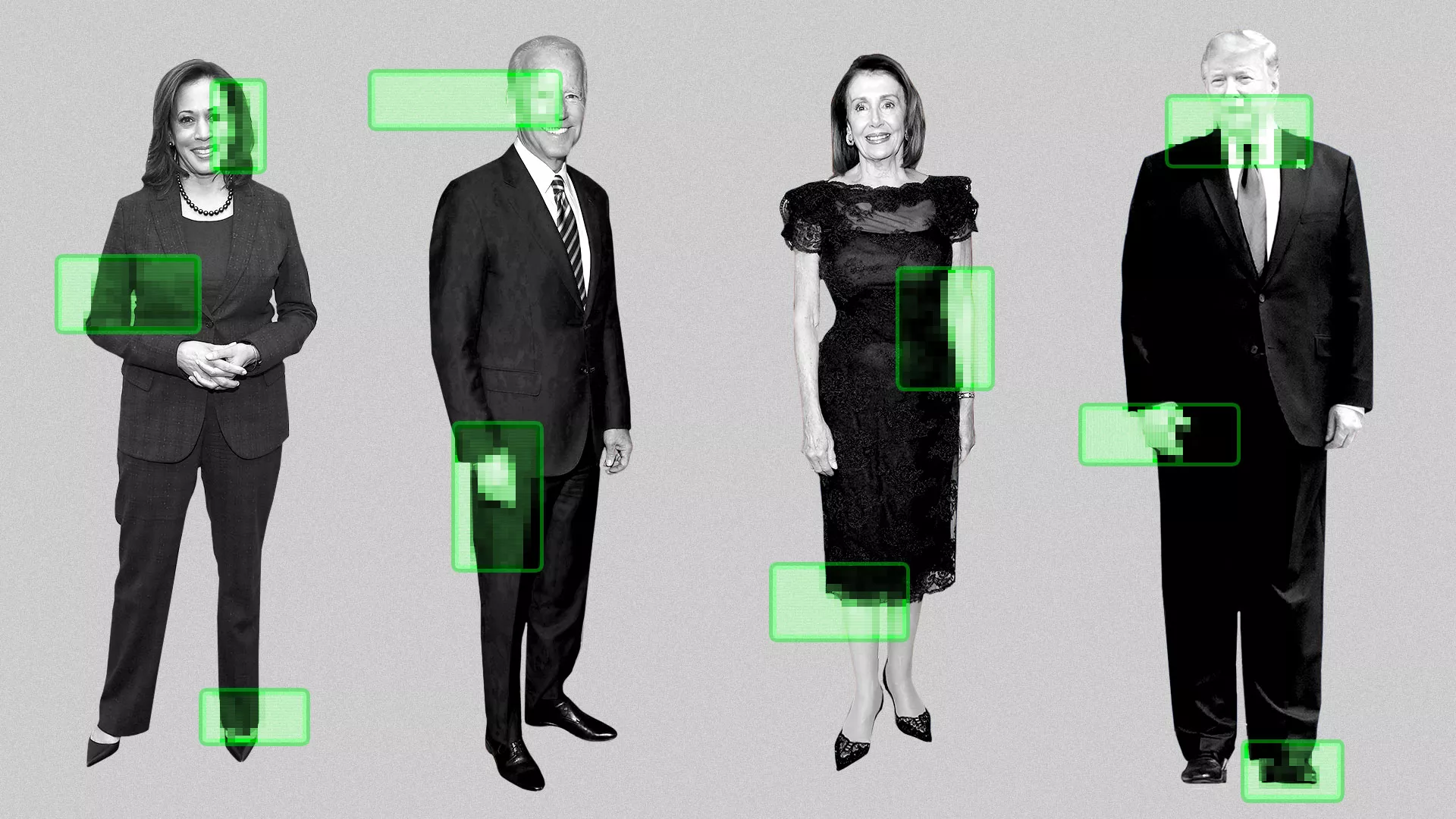
YouTube Expands Deepfake Detection Tool to Protect Journalists and Public Officials
March 10, 2026
Palestinian Journalist Amal Shamali Killed in Israeli Strike on Gaza Refugee Camp
March 10, 2026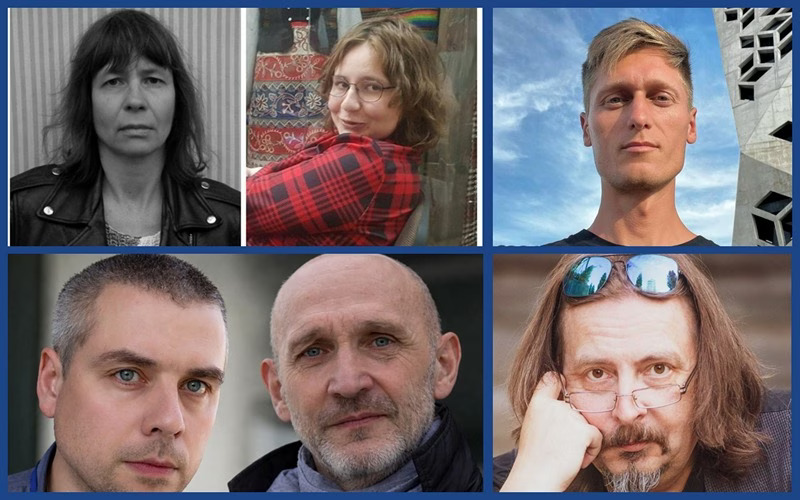
March 10, 2026 – Belarus –
Authorities in Belarus have sentenced five additional journalists to prison, marking a further escalation in the country’s campaign against independent media and drawing strong condemnation from international press freedom organizations.
According to the International Press Institute (IPI), the latest rulings bring the number of journalists imprisoned in Belarus to nearly 30, making the country one of the most restrictive environments for journalism in Europe. The convictions come amid a broader crackdown that has intensified in recent months as authorities continue to target reporters linked to independent or exiled media outlets.
The journalists were already in detention before the verdicts and were convicted under charges commonly used by Belarusian authorities against media workers, including extremism-related offenses and cooperation with organizations designated as extremist. Rights groups say such charges are frequently applied to journalists who report for independent outlets that operate from abroad after being banned in Belarus.
Press freedom advocates argue that the prosecutions are politically motivated and aimed at silencing independent reporting. Many of the targeted journalists had worked for outlets that continued publishing from exile after authorities shut down domestic media organizations or labeled them extremist. In several cases, simply collaborating with these platforms or sharing their content has been treated as a criminal offense under Belarusian law.
The recent sentences are part of a broader pattern of repression that has intensified since the 2020 presidential election, which sparked mass protests across Belarus. The government of President Alexander Lukashenko, who has ruled the country for more than three decades, responded to the demonstrations with sweeping arrests, the closure of independent newsrooms, and the prosecution of journalists and activists.
Media rights groups warn that the legal pressure placed on journalists has created a climate of fear within the country’s media sector. Many reporters have been forced into exile, while those who remain face the risk of detention, criminal charges, or surveillance if they publish critical reporting.
The International Press Institute condemned the latest convictions and urged Belarusian authorities to release imprisoned journalists and end the use of criminal law to punish media professionals. The organization also called on the international community to maintain pressure on the Belarusian government to respect press freedom and uphold international human rights obligations.
Observers say the continuing arrests and prosecutions demonstrate the ongoing deterioration of press freedom in Belarus, where independent journalism has largely been driven underground or into exile since the crackdown on dissent began.
Authorities in Belarus have sentenced five additional journalists to prison, marking a further escalation in the country’s campaign against independent media and drawing strong condemnation from international press freedom organizations.
According to the International Press Institute (IPI), the latest rulings bring the number of journalists imprisoned in Belarus to nearly 30, making the country one of the most restrictive environments for journalism in Europe. The convictions come amid a broader crackdown that has intensified in recent months as authorities continue to target reporters linked to independent or exiled media outlets.
The journalists were already in detention before the verdicts and were convicted under charges commonly used by Belarusian authorities against media workers, including extremism-related offenses and cooperation with organizations designated as extremist. Rights groups say such charges are frequently applied to journalists who report for independent outlets that operate from abroad after being banned in Belarus.
Press freedom advocates argue that the prosecutions are politically motivated and aimed at silencing independent reporting. Many of the targeted journalists had worked for outlets that continued publishing from exile after authorities shut down domestic media organizations or labeled them extremist. In several cases, simply collaborating with these platforms or sharing their content has been treated as a criminal offense under Belarusian law.
The recent sentences are part of a broader pattern of repression that has intensified since the 2020 presidential election, which sparked mass protests across Belarus. The government of President Alexander Lukashenko, who has ruled the country for more than three decades, responded to the demonstrations with sweeping arrests, the closure of independent newsrooms, and the prosecution of journalists and activists.
Media rights groups warn that the legal pressure placed on journalists has created a climate of fear within the country’s media sector. Many reporters have been forced into exile, while those who remain face the risk of detention, criminal charges, or surveillance if they publish critical reporting.
The International Press Institute condemned the latest convictions and urged Belarusian authorities to release imprisoned journalists and end the use of criminal law to punish media professionals. The organization also called on the international community to maintain pressure on the Belarusian government to respect press freedom and uphold international human rights obligations.
Observers say the continuing arrests and prosecutions demonstrate the ongoing deterioration of press freedom in Belarus, where independent journalism has largely been driven underground or into exile since the crackdown on dissent began.
Reference –
Belarus: Repression accelerates as five more journalists sentenced to prison